



Chest computed tomography provides more information than chest X-ray alone in determining extent of physiologic impairment in pulmonary sarcoidosis
Supporting Files

-
11 2024 ; 11-2024
-
Available in CDC Stacks on 2025-11-01T00:00:00Z
File Language:
English
Details
-
Alternative Title:Chest
-
Personal Author:Benn, Bryan S. ; Lippitt, William L ; Cortopassi, Isabel ; Balasubramani, G.K ; Barbosa, Eduardo Mortani ; Drake, Wonder P. ; Herzog, Erica ; Gibson, Kevin ; Chen, Edward S. ; Koth, Laura L. ; Fuhrman, Carl ; Lynch, David A ; Kaminski, Naftali ; Wisniewski, Stephen R ; Carlson, Nichole E ; Maier, Lisa A
-
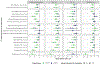
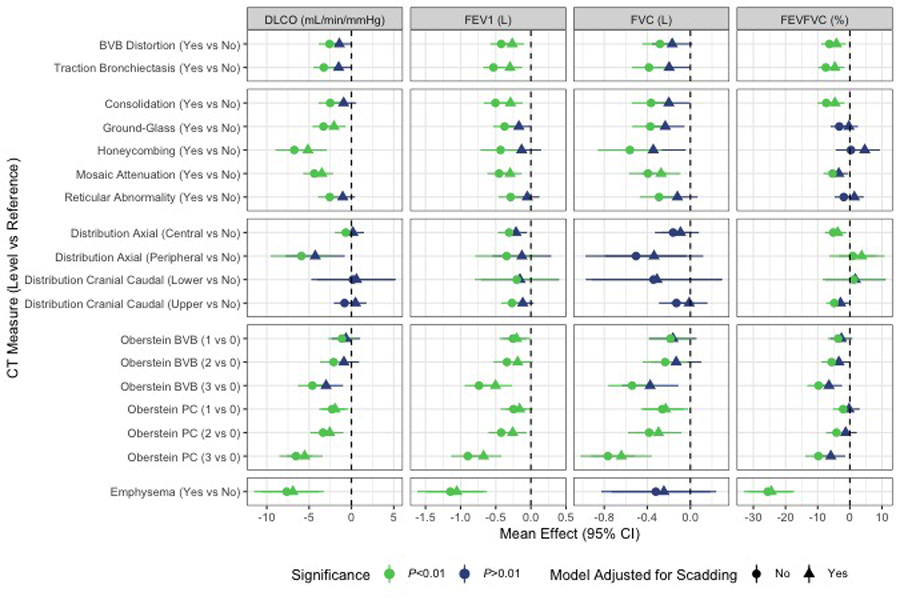
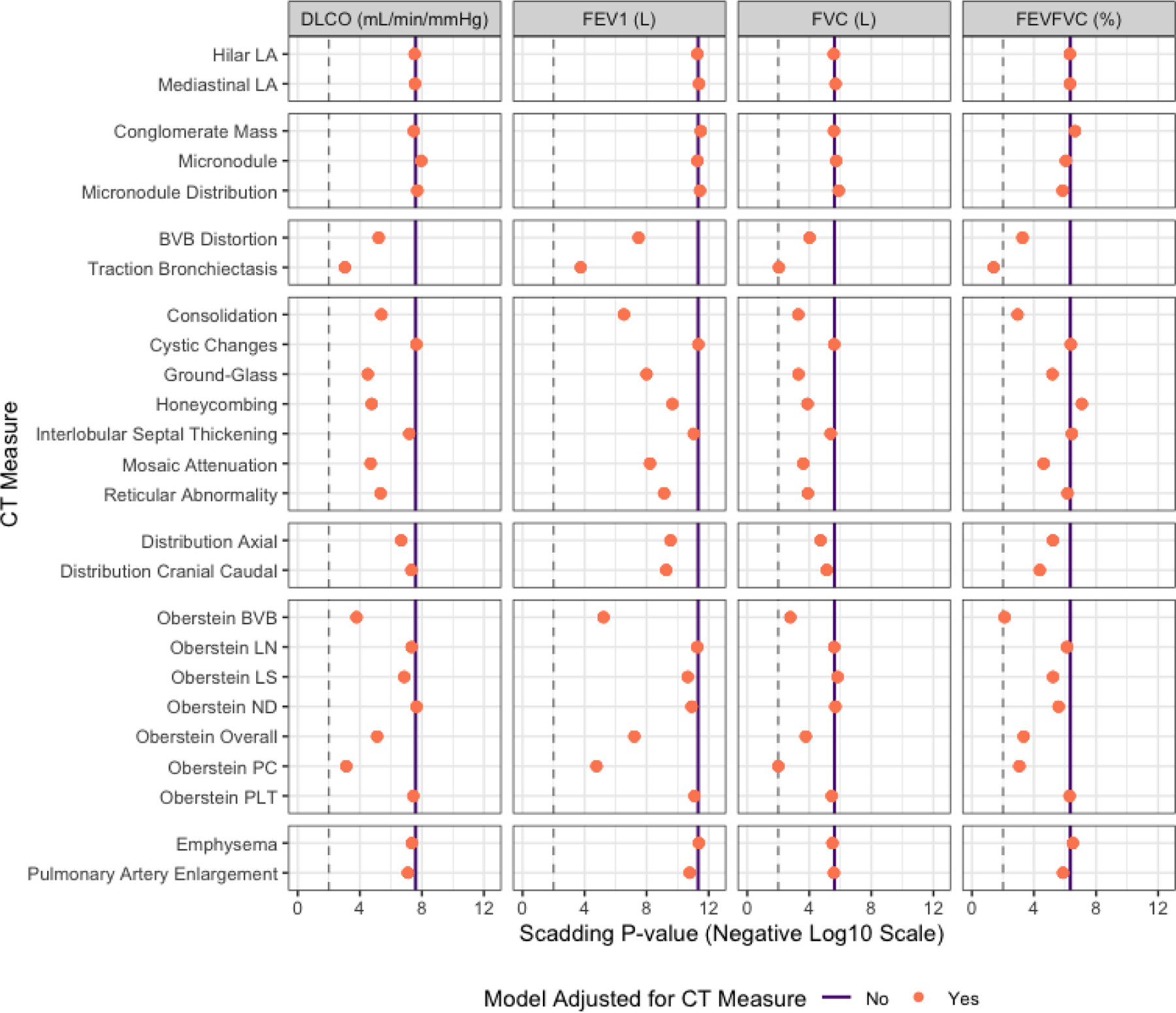
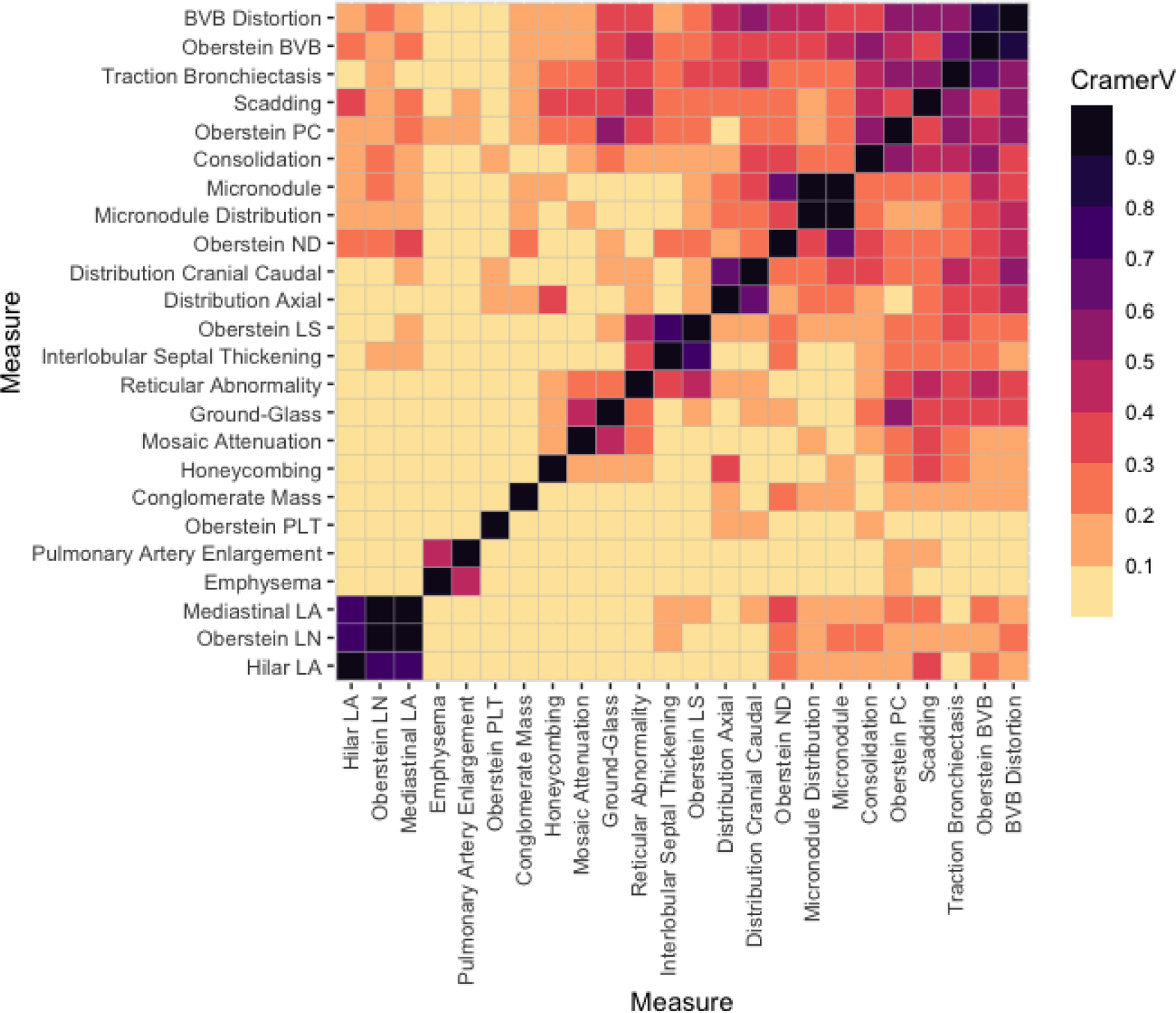
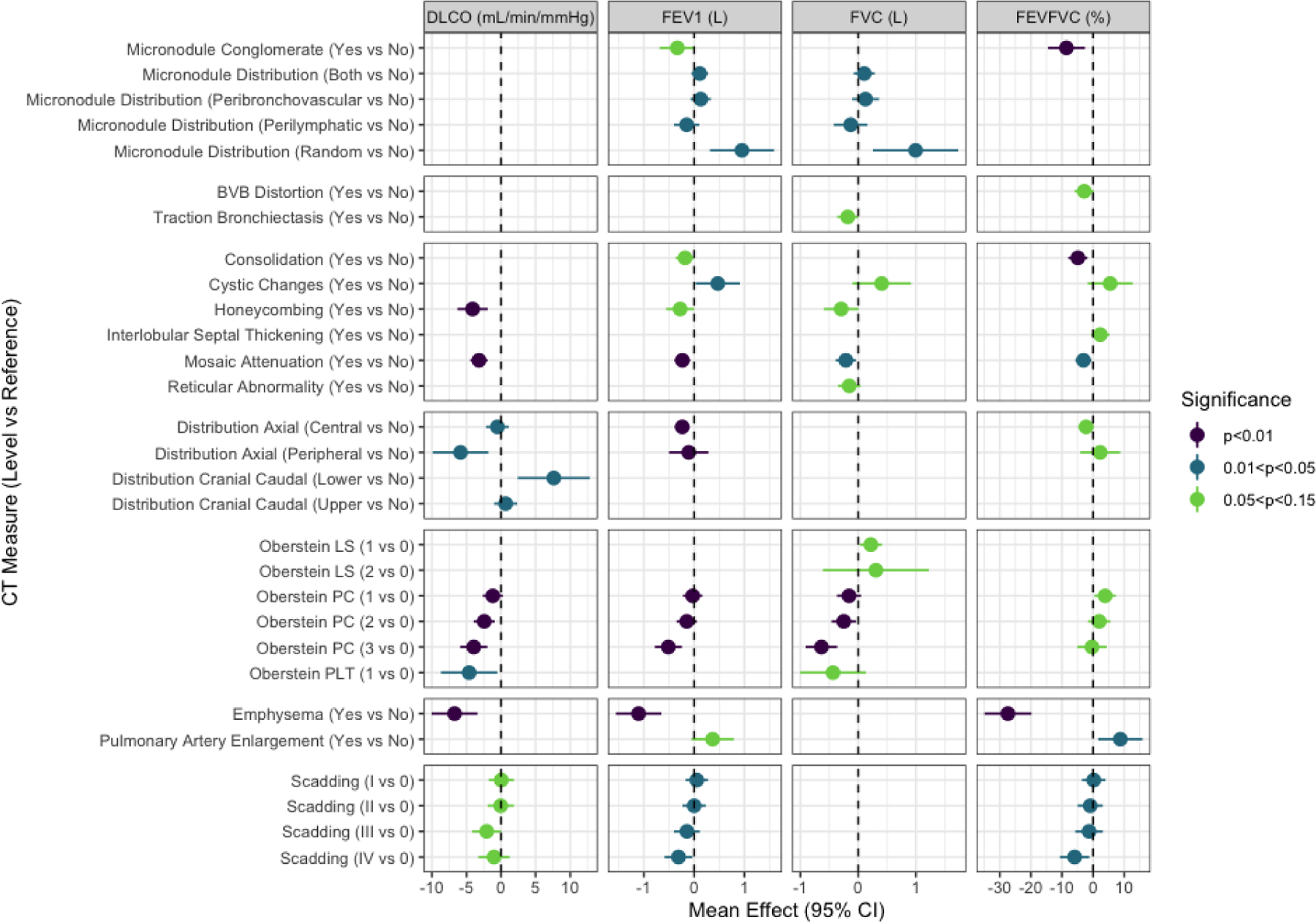
Description:Background: ; Sarcoidosis staging has primarily relied on the Scadding chest radiographic system, although chest CT is finding increased clinical use. ; Research Question: ; Whether standardized CT assessment provides additional understanding of lung function beyond Scadding stage and demographics is unknown and the focus of this study. ; Study Design and Methods: ; We used the NHLBI study Genomics Research in Alpha-1 Anti-Trypsin Deficiency and Sarcoidosis (GRADS) sarcoidosis cases(N=351) with Scadding stage and Chest CT scans obtained in a standardized manner. One chest radiologist scored all CT scans with a visual scoring system, with a subset read by another chest radiologist. We compared demographic features, Scadding stage and CT findings, and correlation between these measures. Associations between spirometry and DLCO and CT and Scadding stage were determined using regression analysis (N=318). Agreement between readers was evaluated using Cohen’s Kappa. ; Results: ; CT features were inconsistent with Scadding stage in about ~40% of cases. Most CT features assessed on visual scoring were negatively associated with lung function. Associations persisted for FEV1 and DLCO when adjusting for Scadding stage, although some CT feature associations with FVC became insignificant. Scadding stage was primarily associated with FEV1 and inclusion of CT features reduced significance in association between Scadding and lung function. Multivariable regression modeling to identify radiologic measures explaining lung function included Scadding stage for FEV1 and FEV1/FVC (P<0.05) and marginally for DLCO (P<0.15). Combinations of CT measures accounted for Scadding stage for FVC. Correlations among Scadding and CT features were noted. Agreement between readers was poor to moderate for presence/absence of CT features and poor for degree/location of abnormality. ; Interpretation: ; CT features explained additional variability in lung function beyond Scadding stage, with some CT features obviating the associations between lung function and Scadding. Whether CT features/phenotypes/endotypes could be useful for managing patients with sarcoidosis needs more study.
-
Subjects:
-
Keywords:
-
Source:Chest. 166(5):1093-1107
-
Pubmed ID:38830401
-
Pubmed Central ID:PMC11560486
-
Document Type:
-
Funding:U01 HL112694/HL/NHLBI NIH HHSUnited States/ ; U01 HL112711/HL/NHLBI NIH HHSUnited States/ ; R01 HL127349/HL/NHLBI NIH HHSUnited States/ ; UL1 RR025780/RR/NCRR NIH HHSUnited States/ ; R01 HL110883/HL/NHLBI NIH HHSUnited States/ ; U01 HL112707/HL/NHLBI NIH HHSUnited States/ ; U01 HL112702/HL/NHLBI NIH HHSUnited States/ ; K24 HL127301/HL/NHLBI NIH HHSUnited States/ ; U24 OH009077/OH/NIOSH CDC HHSUnited States/ ; UL1 RR029882/RR/NCRR NIH HHSUnited States/ ; T32 HL007085/HL/NHLBI NIH HHSUnited States/ ; U01 HL112696/HL/NHLBI NIH HHSUnited States/ ; U01 HL112712/HL/NHLBI NIH HHSUnited States/ ; U01 HL137159/HL/NHLBI NIH HHSUnited States/ ; UL1 TR000005/TR/NCATS NIH HHSUnited States/ ; U01 HL112708/HL/NHLBI NIH HHSUnited States/ ; UL1 TR002535/TR/NCATS NIH HHSUnited States/ ; R01 HL114587/HL/NHLBI NIH HHSUnited States/ ; R01 HL142049/HL/NHLBI NIH HHSUnited States/ ; U01 HL112695/HL/NHLBI NIH HHSUnited States/
-
Volume:166
-
Issue:5
-
Download URL:
-
File Type:
 [PDF - 1.16 MB]
 -
Collection(s):
-
Main Document Checksum:urn:sha-512:dd454bb364c7b423a4b97a0ca8141d71a96d1e05590aa6f2979ce00c75f7227896e87e4644a97d1a7655506c6f194faa5fc1723f483a77ab25ee645c8f695c0a
Supporting Files


File Language:
English
 Was this page helpful?
 Found an issue?





CDC STACKS serves as an archival repository of CDC-published products including
scientific findings, journal articles, guidelines, recommendations, or other public health information authored or
co-authored by CDC or funded partners.
As a repository, CDC STACKS retains documents in their original published format to ensure public access to scientific information.
As a repository, CDC STACKS retains documents in their original published format to ensure public access to scientific information.
You May Also Like
COLLECTION
CDC Public Access