



Prevention of Immune Cell Apoptosis as Potential Therapeutic Strategy for Severe Infections
Supporting Files
Public Domain

-
Feb 2007
Details
-
Alternative Title:Emerg Infect Dis
-
Personal Author:
-
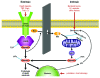
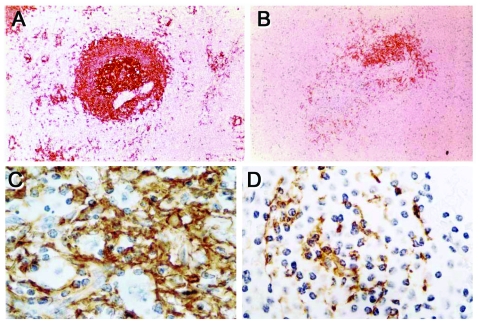
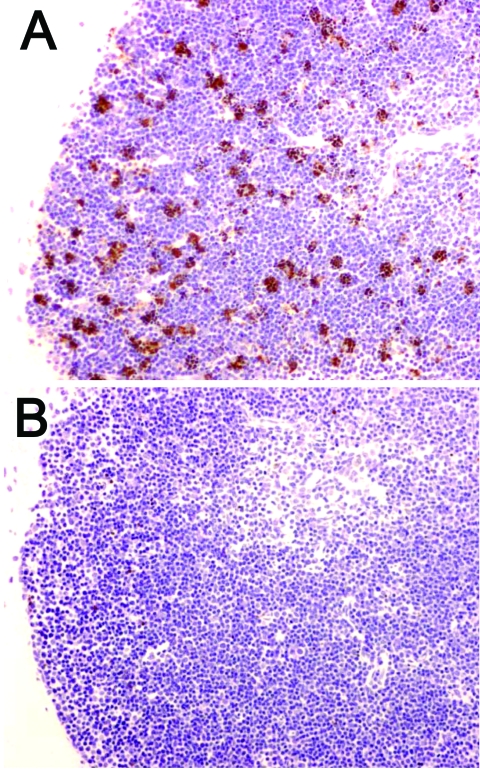
Description:Some labile cell types whose numbers are normally controlled through programmed cell death are subject to markedly increased destruction during some severe infections. Lymphocytes, in particular, undergo massive and apparently unregulated apoptosis in human patients and laboratory animals with sepsis, potentially playing a major role in the severe immunosuppression that characterizes the terminal phase of fatal illness. Extensive lymphocyte apoptosis has also occurred in humans and animals infected with several exotic agents, including Bacillus anthracis, the cause of anthrax; Yersinia pestis, the cause of plague; and Ebola virus. Prevention of lymphocyte apoptosis, through either genetic modification of the host or treatment with specific inhibitors, markedly improves survival in murine sepsis models. These findings suggest that interventions aimed at reducing the extent of immune cell apoptosis could improve outcomes for a variety of severe human infections, including those caused by emerging pathogens and bioterrorism agents.
-
Subjects:
-
Source:Emerg Infect Dis. 13(2):191-198.
-
Document Type:
-
Volume:13
-
Issue:2
-
Download URL:
-
File Type:
 [PDF - 483.92 KB]
 -
Collection(s):
-
Main Document Checksum:urn:sha256:f579d6e92f691ad1f5ce1691e5801b1b7ba70b506dbaf4e5a4012f5b3fd42d66
Supporting Files


 Was this page helpful?
 Found an issue?



CDC STACKS serves as an archival repository of CDC-published products including
scientific findings, journal articles, guidelines, recommendations, or other public health information authored or
co-authored by CDC or funded partners.
As a repository, CDC STACKS retains documents in their original published format to ensure public access to scientific information.
As a repository, CDC STACKS retains documents in their original published format to ensure public access to scientific information.
You May Also Like
COLLECTION
Emerging Infectious Diseases