



Apoptosis and Pathogenesis of Avian Influenza A (H5N1) Virus in Humans
Supporting Files
Public Domain

-
May 2007
File Language:
English
Details
-
Alternative Title:Emerg Infect Dis
-
Personal Author:Uiprasertkul, Mongkol ; Kitphati, Rungrueng ; Puthavathana, Pilaipan ; Kriwong, Romchat ; Kongchanagul, Alita ; Ungchusak, Kumnuan ; Angkasekwinai, Suwimon ; Chokephaibulkit, Kulkanya ; Srisook, Kanittar ; Vanprapar, Nirun ; Auewarakul, Prasert
-
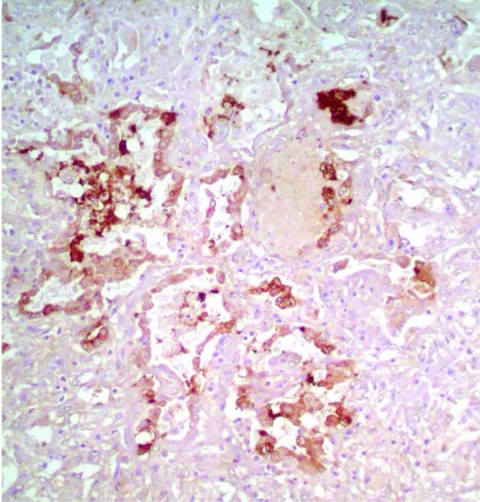
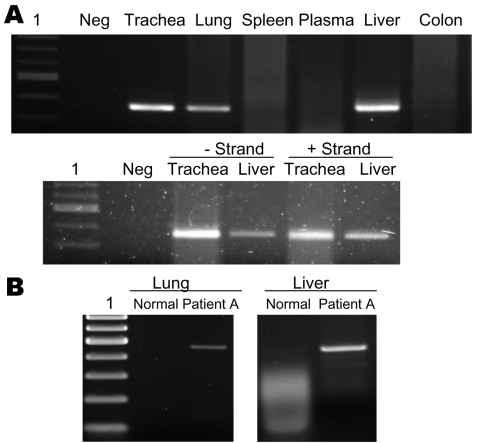
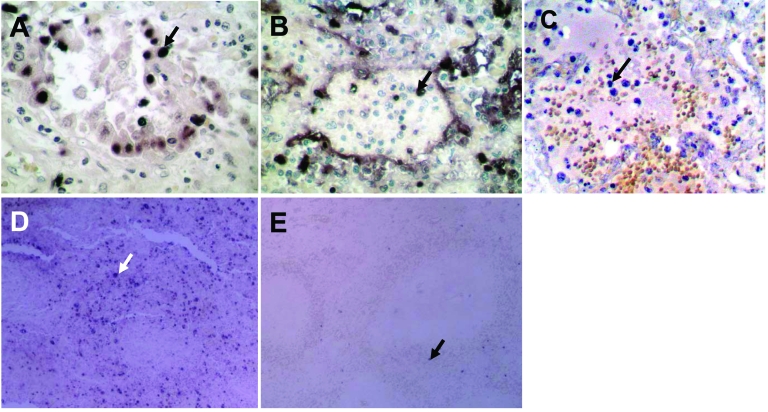
Description:The pathogenesis of avian influenza A (H5N1) virus in humans has not been clearly elucidated. Apoptosis may also play an important role. We studied autopsy specimens from 2 patients who died of infection with this virus. Apoptosis was observed in alveolar epithelial cells, which is the major target cell type for the viral replication. Numerous apoptotic leukocytes were observed in the lung of a patient who died on day 6 of illness. Our data suggest that apoptosis may play a major role in the pathogenesis of influenza (H5N1) virus in humans by destroying alveolar epithelial cells. This pathogenesis causes pneumonia and destroys leukocytes, leading to leukopenia, which is a prominent clinical feature of influenza (H5N1) virus in humans. Whether observed apoptotic cells were a direct result of the viral replication or a consequence of an overactivation of the immune system requires further studies.
-
Subjects:
-
Source:Emerg Infect Dis. 13(5):708-712.
-
Document Type:
-
Place as Subject:
-
Volume:13
-
Issue:5
-
Download URL:
-
File Type:
 [PDF - 299.21 KB]
 -
Collection(s):
-
Main Document Checksum:urn:sha256:ce2c0ea74351db9cbeaf16966061a65a4ac563ccf8730da4c87e54114ed8e00c
Supporting Files


File Language:
English
 Was this page helpful?
 Found an issue?


CDC STACKS serves as an archival repository of CDC-published products including
scientific findings, journal articles, guidelines, recommendations, or other public health information authored or
co-authored by CDC or funded partners.
As a repository, CDC STACKS retains documents in their original published format to ensure public access to scientific information.
As a repository, CDC STACKS retains documents in their original published format to ensure public access to scientific information.
You May Also Like
COLLECTION
Emerging Infectious Diseases