



HDV RNA assays: Performance characteristics, clinical utility, and challenges
Supporting Files

-
2 2025 ; 2-01-
-
Available in CDC Stacks on February 01, 2025, 12:00 AM
File Language:
English
Details
-
Alternative Title:Hepatology
-
Personal Author:Wedemeyer, Heiner ; Leus, Mitchell ; Battersby, Thomas R. ; Glenn, Jeffrey ; Gordien, Emmanuel ; Kamili, Saleem ; Kapoor, Hema ; Kessler, Harald H. ; Lenz, Oliver ; Lütgehetmann, Marc ; Mixson-Hayden, Tonya ; Simon, Christian O. ; Thomson, Michael ; Westman, Gabriel ; Miller, Veronica ; Terrault, Norah ; Lampertico, Pietro
-
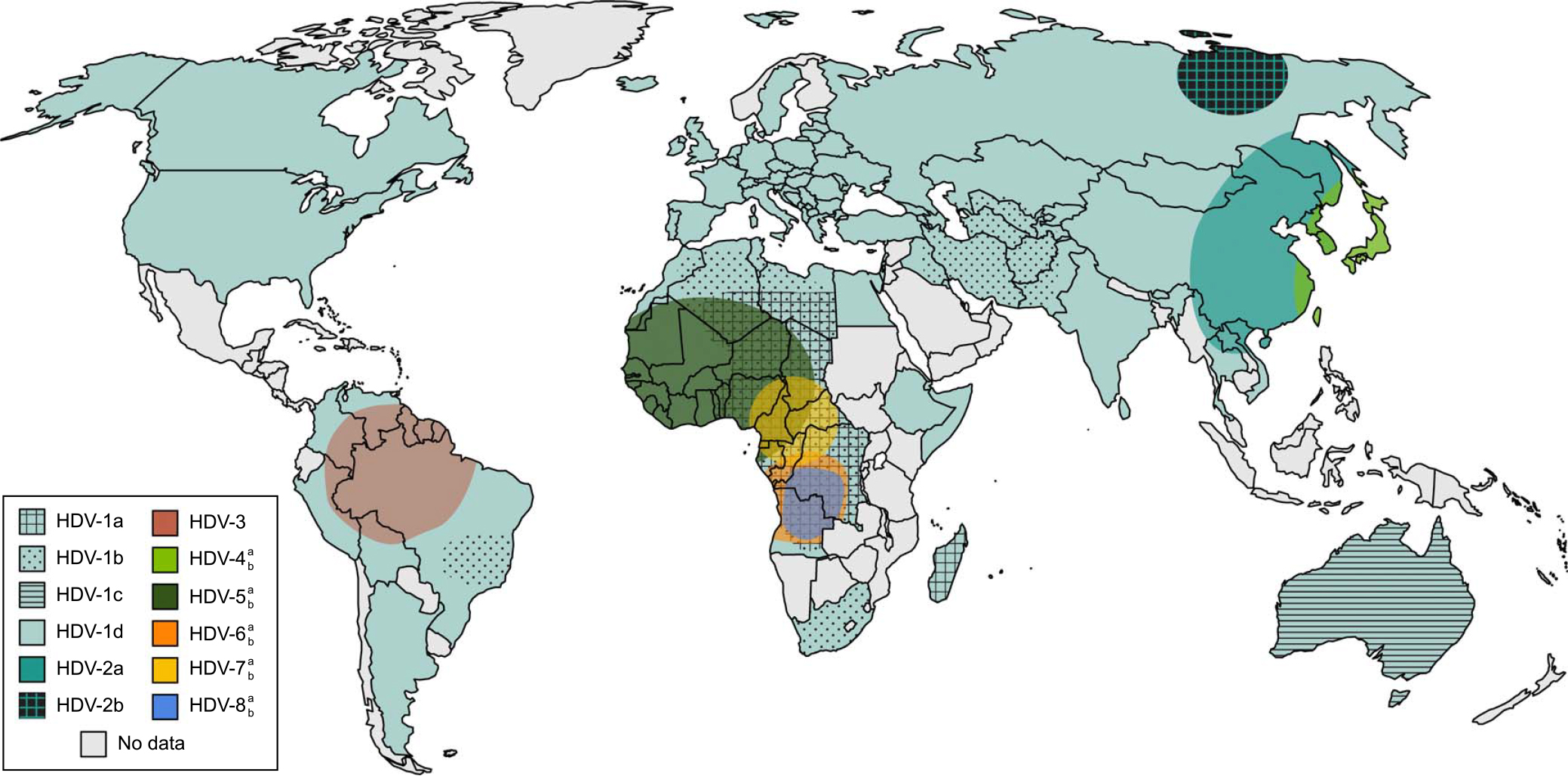
Description:Coinfection with HBV and HDV results in hepatitis D, the most severe form of chronic viral hepatitis, frequently leading to liver decompensation and HCC. Pegylated interferon alpha, the only treatment option for chronic hepatitis D for many years, has limited efficacy. New treatments are in advanced clinical development, with one recent approval. Diagnosis and antiviral treatment response monitoring are based on detection and quantification of HDV RNA. However, the development of reliable HDV RNA assays is challenged by viral heterogeneity (at least 8 different genotypes and several subgenotypes), intrahost viral diversity, rapid viral evolution, and distinct secondary structure features of HDV RNA. Different RNA extraction methodologies, primer/probe design for nucleic acid tests, lack of automation, and overall dearth of standardization across testing laboratories contribute to substantial variability in performance characteristics of research-based and commercial HDV RNA assays. A World Health Organization (WHO) standard for HDV RNA, available for about 10 years, has been used by many laboratories to determine the limit of detection of their assays and facilitates comparisons of RNA levels across study centers. Here we review challenges for robust pan genotype HDV RNA quantification, discuss particular clinical needs and the importance of reliable HDV RNA quantification in the context of drug development and patient monitoring. We summarize distinct technical features and performance characteristics of available HDV RNA assays. Finally, we provide considerations for the use of HDV RNA assays in the context of drug development and patient monitoring.
-
Subjects:
-
Source:Hepatology. 81(2):637-650
-
Pubmed ID:37640384
-
Pubmed Central ID:PMC11289715
-
Document Type:
-
Funding:
-
Volume:81
-
Issue:2
-
Download URL:
-
File Type:
 [PDF - 679.52 KB]
 -
Collection(s):
-
Main Document Checksum:urn:sha-512:70161a34d6f01358ba28b55ebfd246107b7e16391478f6f04e99b876edf5c6a342c973da84c95995ad8d5afc44f13acce6f48710b9b0a0687e8f35bd22f50180
Supporting Files


File Language:
English
 Was this page helpful?
 Found an issue?


CDC STACKS serves as an archival repository of CDC-published products including
scientific findings, journal articles, guidelines, recommendations, or other public health information authored or
co-authored by CDC or funded partners.
As a repository, CDC STACKS retains documents in their original published format to ensure public access to scientific information.
As a repository, CDC STACKS retains documents in their original published format to ensure public access to scientific information.
You May Also Like
COLLECTION
CDC Public Access