



Responding to outbreaks of illness linked to unpasteurized milk: A needs assessment of state health and agriculture departments
Supporting Files

-
8 2024 ; 8-2024
-
Available in CDC Stacks on August 01, 2024, 12:00 AM

File Language:
English
Details
-
Alternative Title:Zoonoses Public Health
-
Personal Author:
-
Description:Aims:
Consumption of unpasteurized milk can result in severe illness or death. In the United States, the number of people who regularly consume unpasteurized milk is relatively low, but outbreaks resulting from unpasteurized milk outnumber outbreaks linked to pasteurized milk. The sale of unpasteurized milk for human consumption through interstate commerce is prohibited at the federal level, but laws among states vary considerably with respect to the sale of unpasteurized milk. Each state has a different perspective on responding to and preventing outbreaks of illness linked to consuming unpasteurized milk.
Methods and Results:
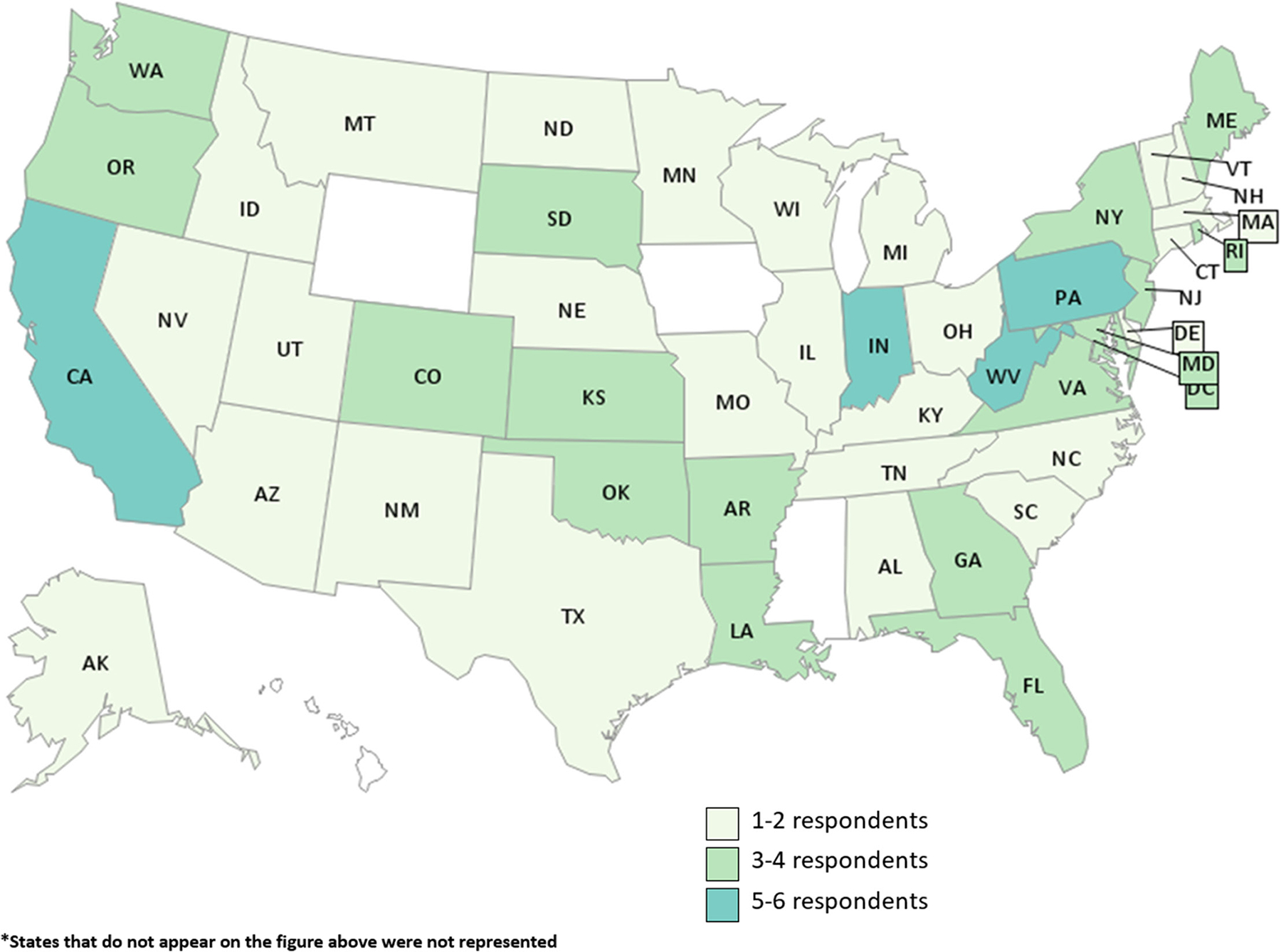
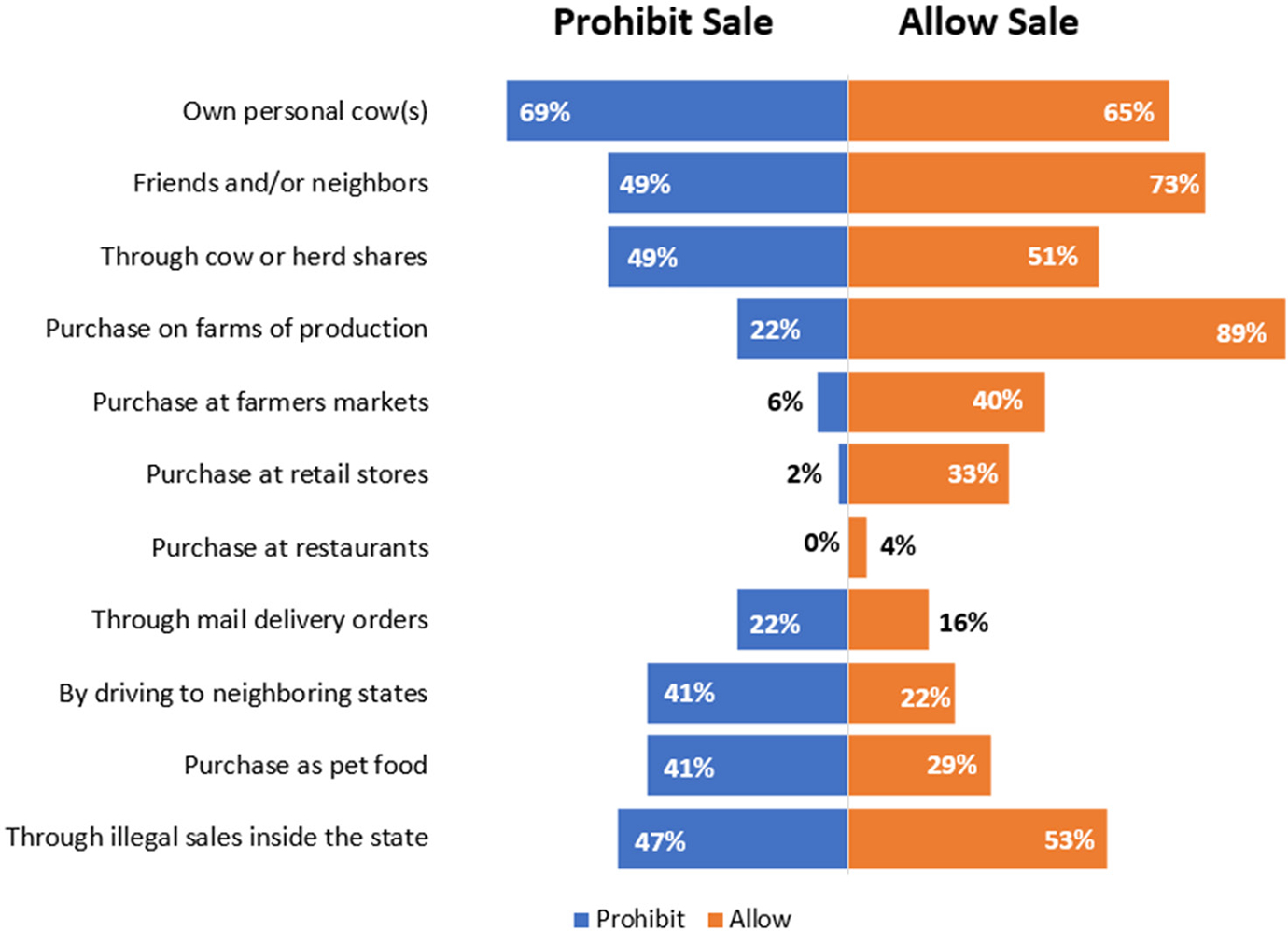
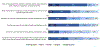
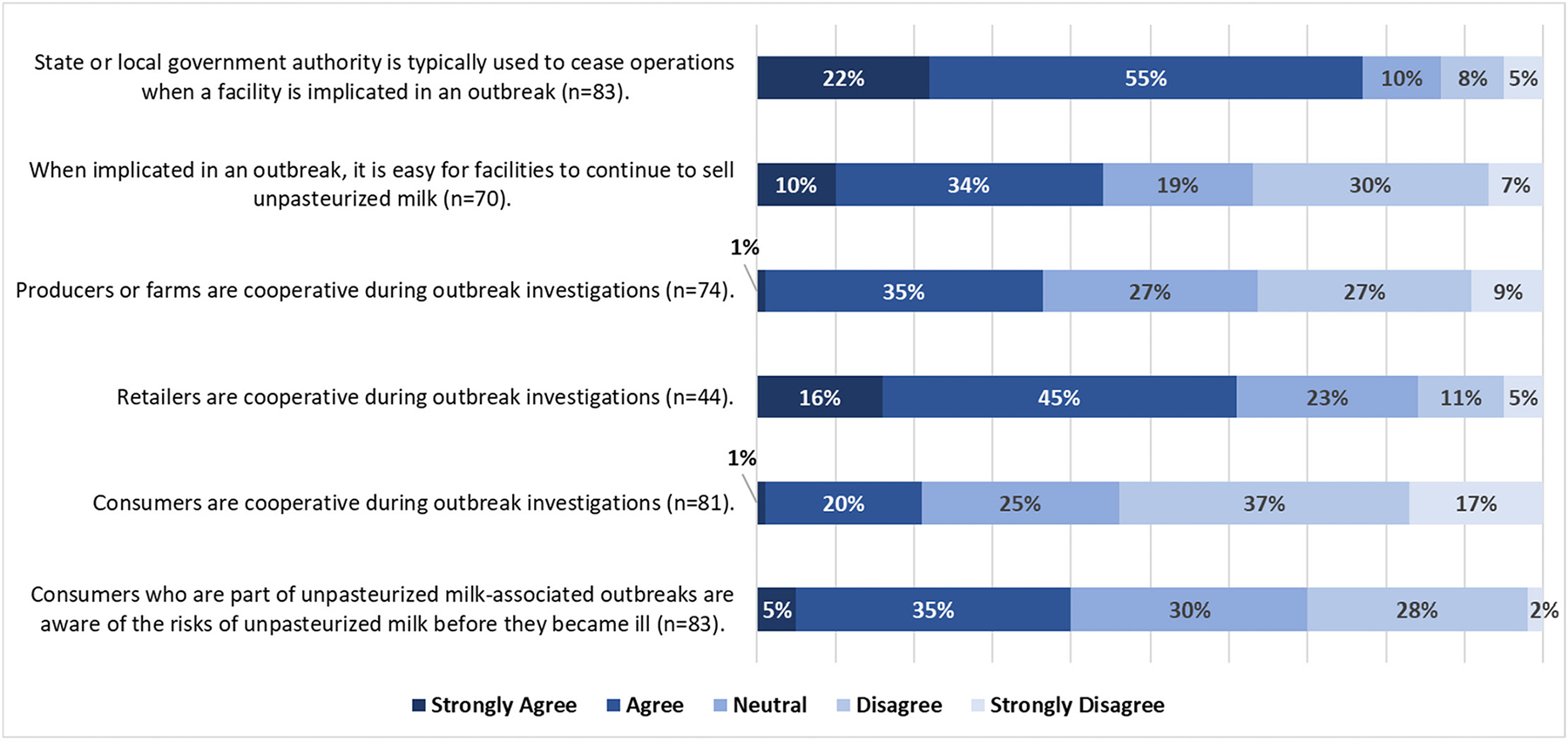
We conducted a needs assessment of state health and agriculture departments to gather information on state-level strategies to prevent illnesses linked to consuming unpasteurized milk, characterize challenges states face, and identify areas where partners can support state efforts to prevent illnesses. We deployed a survey from 6 January 2021 to 1 March 2021, using a snowball sampling strategy and had 158 respondents. Of 115 respondents, 46 (40%) believed that state laws were ineffective in preventing illnesses, and 92 (80%) agreed that consumers continue to find ways to get unpasteurized milk despite laws restricting sale. Respondents from 19 states were aware of future legislative or regulatory efforts surrounding unpasteurized milk in their state, with 14 (74%) indicating these efforts would expand consumer access. The most common outbreak prevention strategies respondents mentioned included sharing knowledge and experiences with other public health and agriculture officials, providing information to inform legislative efforts, and communicating to the public about outbreaks. Most respondents (41/50, 91%) were interested in pursuing further efforts to prevent unpasteurized milk-associated illnesses in their state.
Conclusions:
The results from this needs assessment can be used to inform future strategies for preventing illness outbreaks associated with unpasteurized milk consumption. -
Subjects:
-
Keywords:
-
Source:Zoonoses Public Health. 71(5):480-488
-
Pubmed ID:38396326
-
Pubmed Central ID:PMC11216851
-
Document Type:
-
Funding:
-
Volume:71
-
Issue:5
-
Download URL:
-
File Type:
 [PDF - 549.15 KB]
 -
Collection(s):
-
Main Document Checksum:urn:sha-512:6eae696e5399335de7390dcfed945e990d54dd20191d6636fc3f70123a84d51dd505e161f1ebaf82718419a8e70861660c53c2f781e2e40ec888c883f976c4a4
Supporting Files


File Language:
English
 Was this page helpful?
 Found an issue?

CDC STACKS serves as an archival repository of CDC-published products including
scientific findings, journal articles, guidelines, recommendations, or other public health information authored or
co-authored by CDC or funded partners.
As a repository, CDC STACKS retains documents in their original published format to ensure public access to scientific information.
As a repository, CDC STACKS retains documents in their original published format to ensure public access to scientific information.
You May Also Like
COLLECTION
CDC Public Access