


Combination of pioglitazone, a PPARγ agonist, and synthetic surfactant B-YL prevents hyperoxia-induced lung injury in adult mice lung explants
Supporting Files

-
6 2023
-
File Language:
English
Details
-
Alternative Title:Pulm Pharmacol Ther
-
Personal Author:
-
Description:Introduction:
Hyperoxia-induced lung injury is characterized by acute alveolar injury, disrupted epithelial-mesenchymal signaling, oxidative stress, and surfactant dysfunction, yet currently, there is no effective treatment. Although a combination of aerosolized pioglitazone (PGZ) and a synthetic lung surfactant (B-YL peptide, a surfactant protein B mimic) prevents hyperoxia-induced neonatal rat lung injury, whether it is also effective in preventing hyperoxia-induced adult lung injury is unknown.
Method:
Using adult mice lung explants, we characterize the effects of 24 and 72-h (h) exposure to hyperoxia on 1) perturbations in Wingless/Int (Wnt) and Transforming Growth Factor (TGF)-β signaling pathways, which are critical mediators of lung injury, 2) aberrations of lung homeostasis and injury repair pathways, and 3) whether these hyperoxia-induced aberrations can be blocked by concomitant treatment with PGZ and B-YL combination.
Results:
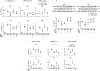
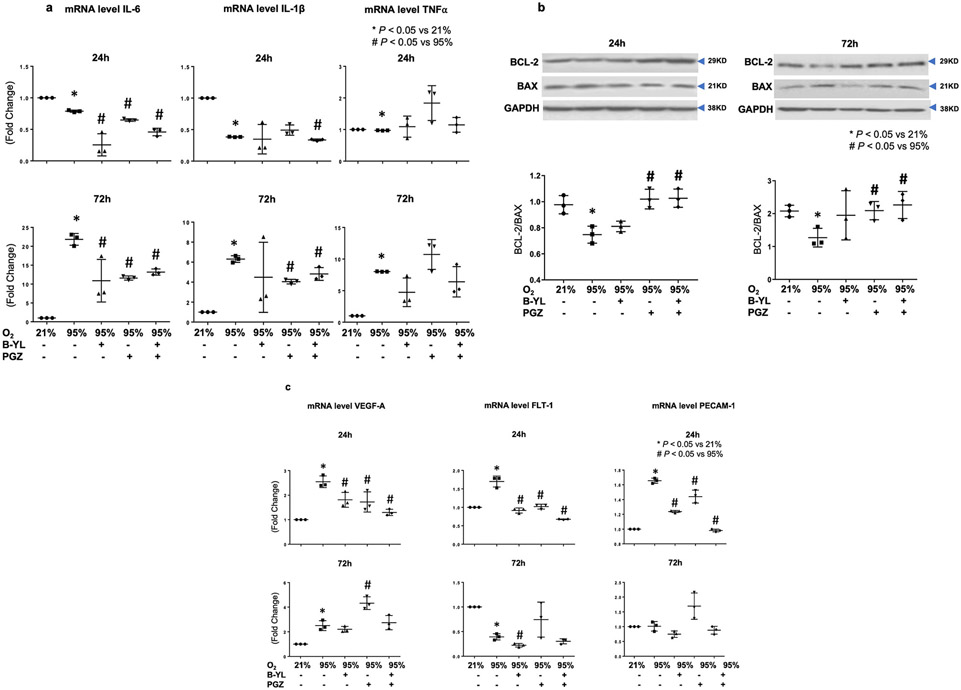
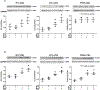
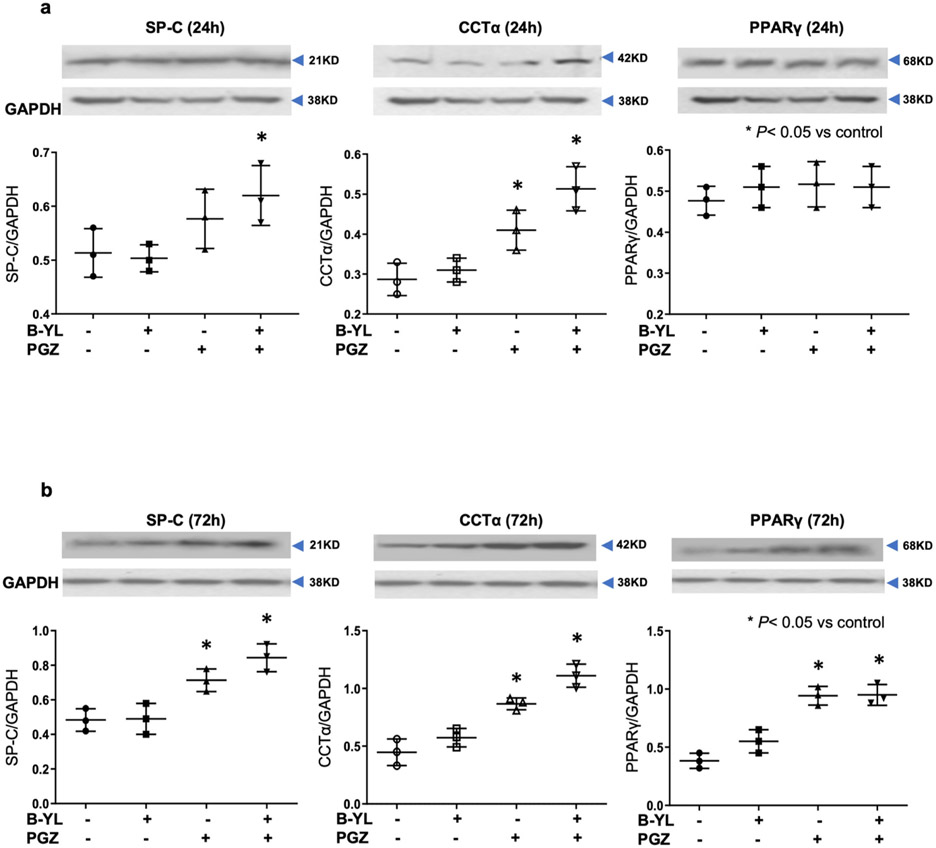
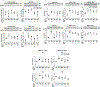
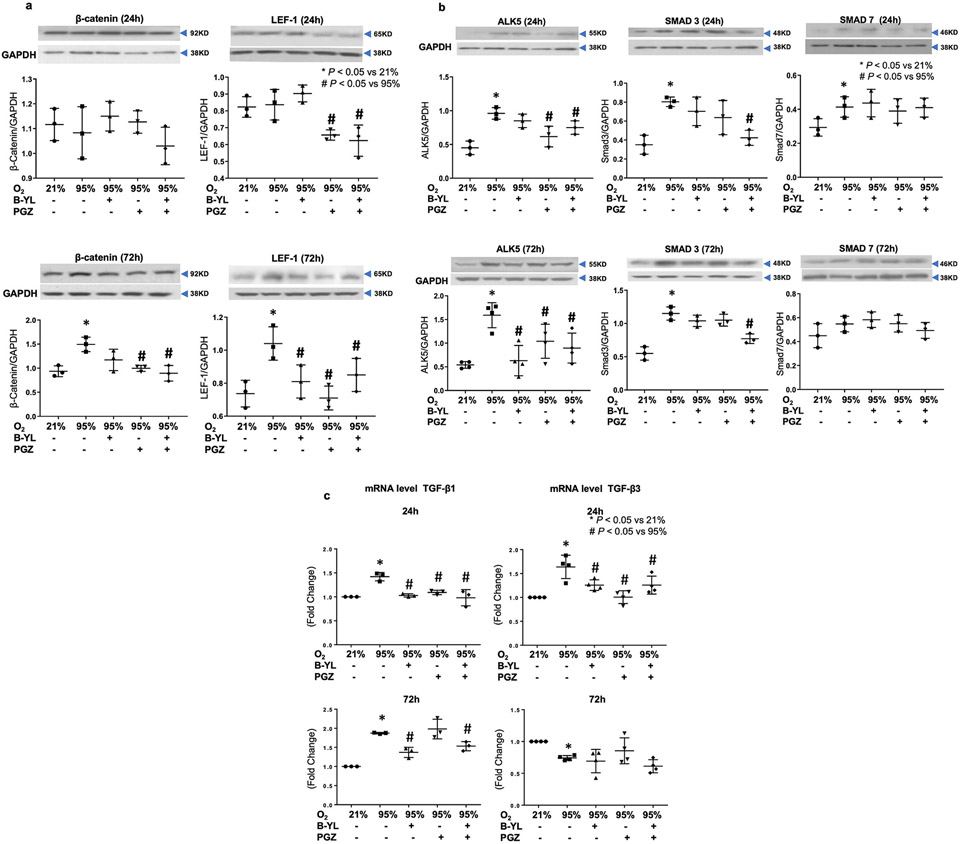
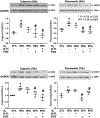
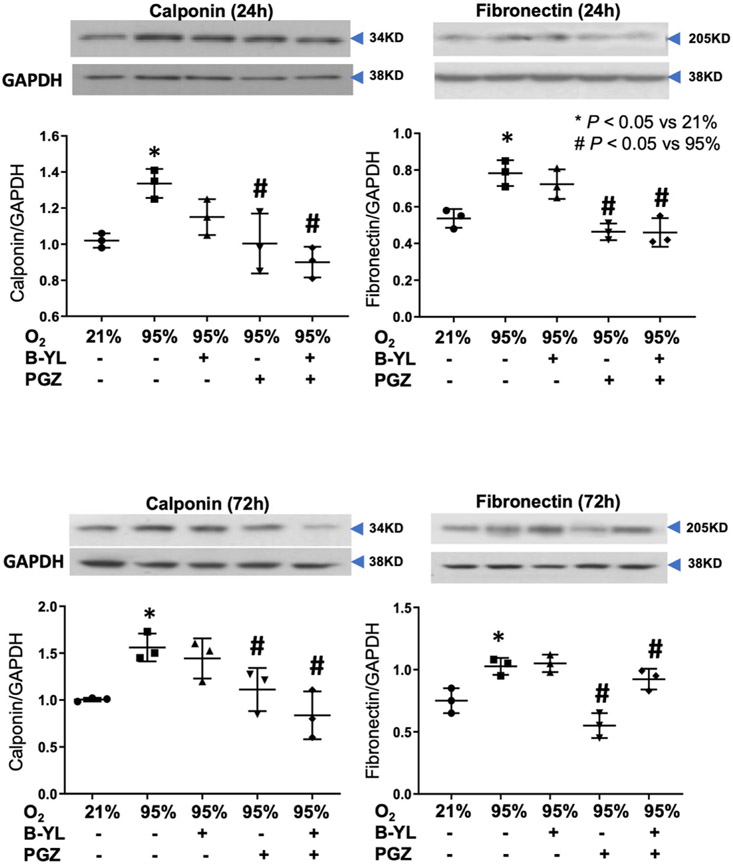
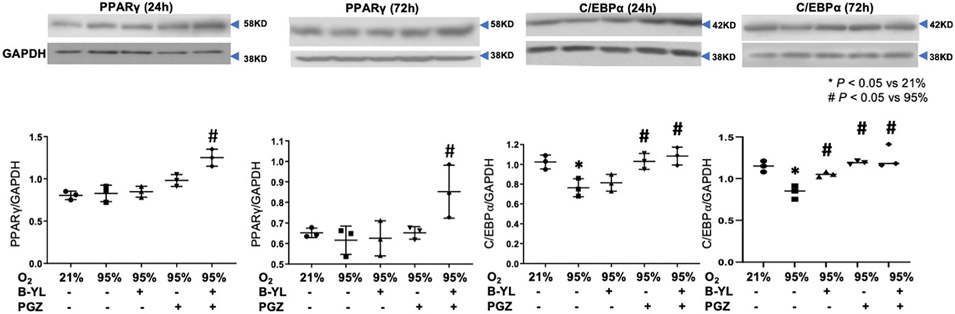
Our study reveals that hyperoxia exposure to adult mouse lung explants causes activation of Wnt (upregulation of key Wnt signaling intermediates β-catenin and LEF-1) and TGF-β (upregulation of key TGF-β signaling intermediates TGF-β type I receptor (ALK5) and SMAD 3) signaling pathways accompanied by an upregulation of myogenic proteins (calponin and fibronectin) and inflammatory cytokines (IL-6, IL-1β, and TNFα), and alterations in key endothelial (VEGF-A and its receptor FLT-1, and PECAM-1) markers. All of these changes were largely mitigated by the PGZ + B-YL combination.
Conclusion:
The effectiveness of the PGZ + B-YL combination in blocking hyperoxia-induced adult mice lung injury ex-vivo is promising to be an effective therapeutic approach for adult lung injury in vivo.
-
Subjects:
-
Keywords:
-
Source:Pulm Pharmacol Ther. 80:102209
-
Pubmed ID:36907545
-
Pubmed Central ID:PMC10205668
-
Document Type:
-
Funding:
-
Volume:80
-
Collection(s):
-
Main Document Checksum:urn:sha-512:28b31e9b7eb14c4c608f3db748ca66907b1ad73059bbe0f035e912d0fb8783063dee60c6bc0a909cbe74d49116e4174a0555d0b3be3a6f4cd33b87ce82ef64cf
-
Download URL:
-
File Type:
 [PDF
- 1.36 MB
]
[PDF
- 1.36 MB
]
Supporting Files


File Language:
English
ON THIS PAGE

CDC STACKS serves as an archival repository of CDC-published products including
scientific findings,
journal articles, guidelines, recommendations, or other public health information authored or
co-authored by CDC or funded partners.
As a repository, CDC STACKS retains documents in their original published format to ensure public access to scientific information.
As a repository, CDC STACKS retains documents in their original published format to ensure public access to scientific information.
You May Also Like
COLLECTION
CDC Public Access