



A Dimensional Analysis of Nursing Unit Culture
Supporting Files

-
7 2024
File Language:
English
Details
-
Alternative Title:J Adv Nurs
-
Personal Author:
-
Description:Aim(s):
Organizational culture has been studied for over four decades among nurses, across countries and contexts. However, wide variation exists in how the concept has been defined and at what level of the organization it is measured. The aim of this study was to use a dimensional analysis to conduct a conceptual synthesis of unit culture from a nursing perspective.
Design:
Dimensional analysis, rooted in grounded theory methodology, was used to describe unit culture from a nursing perspective.
Methods:
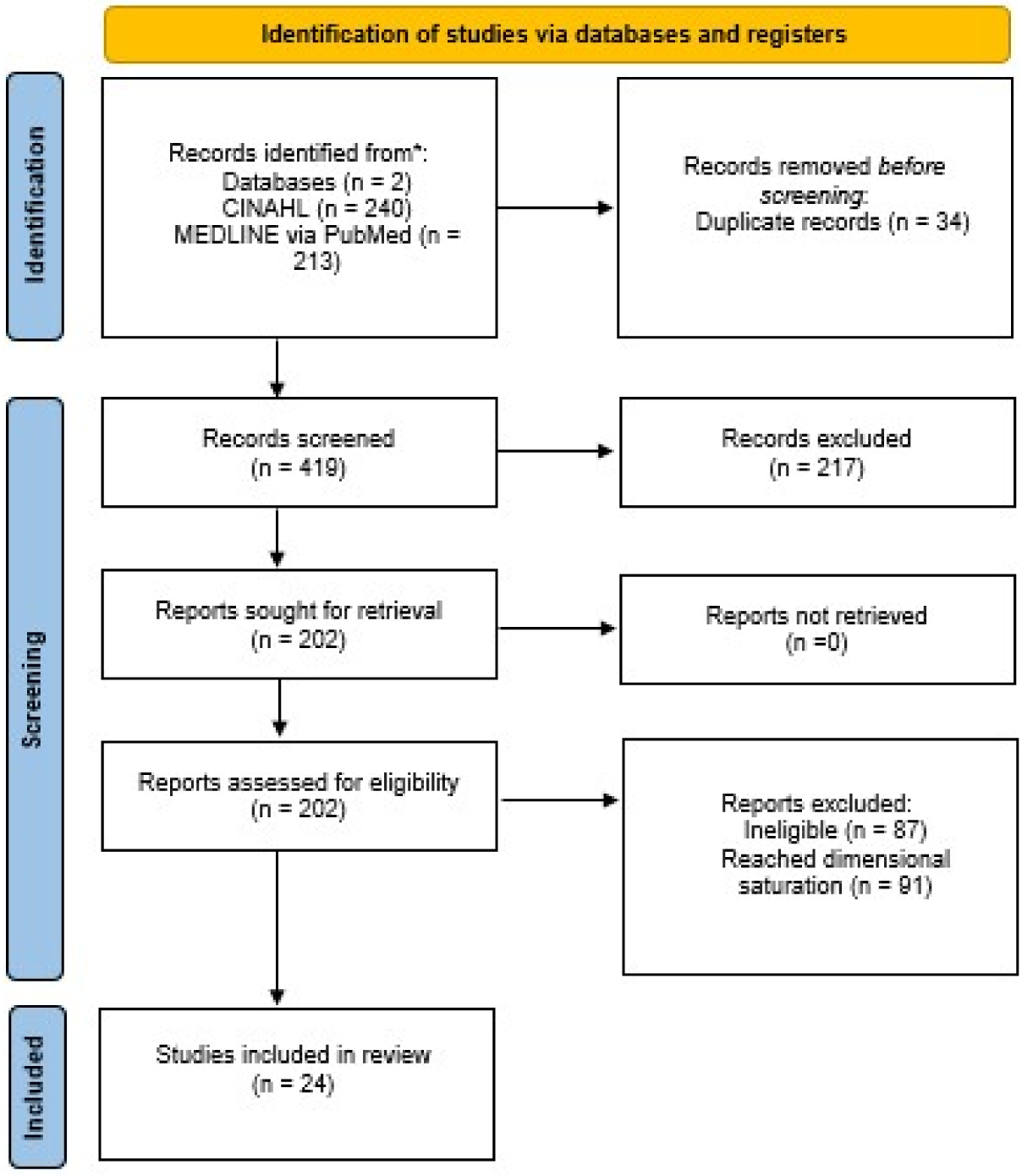
A literature search was conducted in April 2022. Inclusion criteria were (1) peer review publications, (2) used the term “unit culture” or “ward culture”, (3) references nurses’ role in unit culture, (4) published in the last 20 years, and (5) written in English. Ninety-four articles met inclusion criteria, but dimensional saturation was researched after coding 22 articles.
Results:
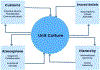
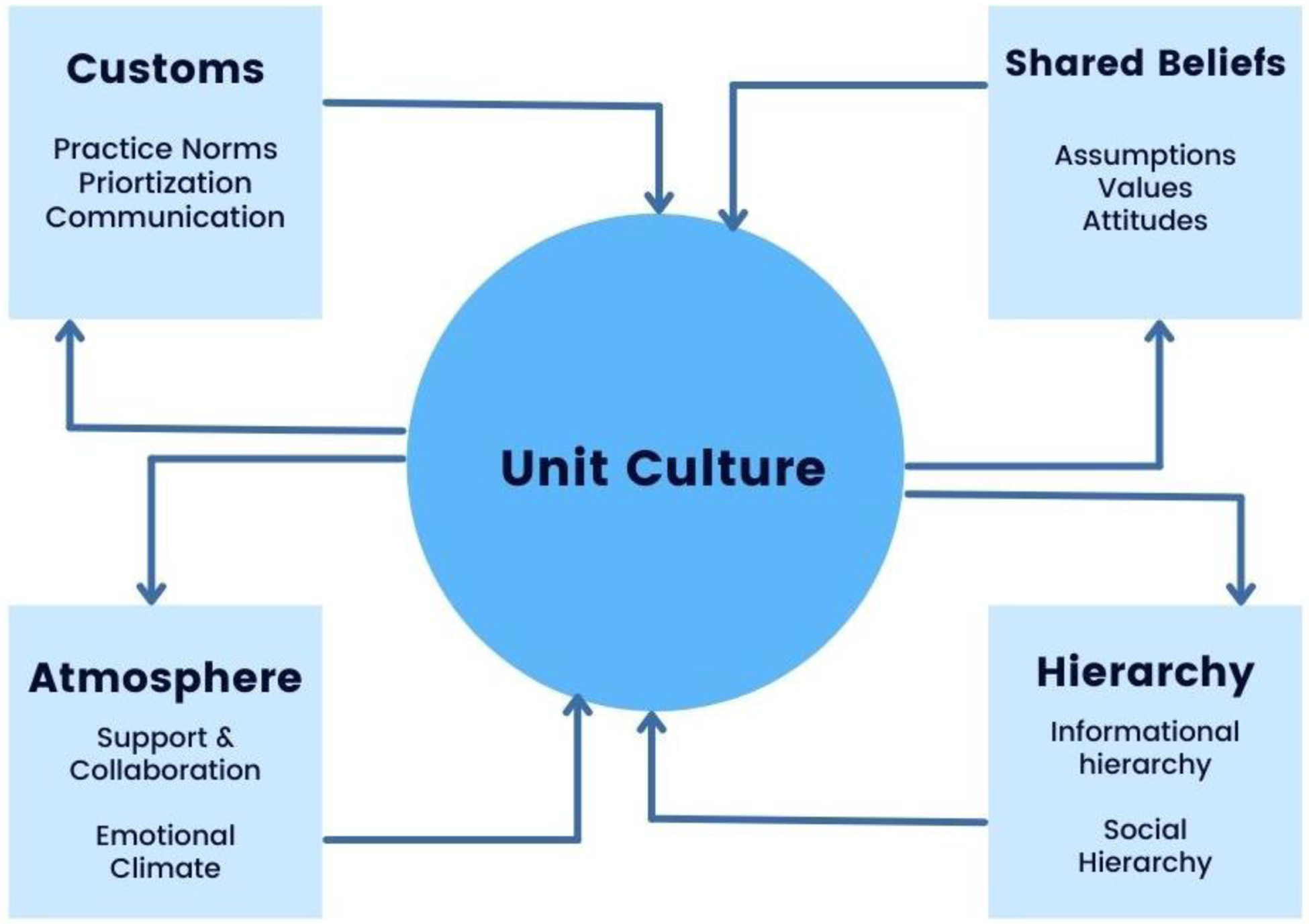
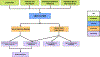
Findings were synthesized into four core dimensions and 10 subdimensions. Dimensions of unit culture included customs (practice norms, communication, and prioritization), shared beliefs (assumptions, values, and attitudes), hierarchy (social and informational), and atmosphere (emotional climate and collaboration). Conditions that shape unit culture include individual nurse characteristics, working conditions, unit policies/procedures, and leadership. Unit culture impacts nurse work experiences and decision-making processes, which can affect outcomes including nurse wellbeing, practice behaviors, and adherence to unit policies.
Conclusions:
Identifying the dimensions of unit culture helps to bring clarity to a concept that is not well-defined in existing literature.
Impact:
This model of unit culture can be used to guide development of new instruments to measure unit culture or guide researchers in utilizing existing measures. Developing measures specific to unit culture are warranted to strengthen researchers’ ability to assess how changing conditions of a unit (e.g., leadership, workload) changes unit culture and its related outcomes.
Patient or Public Contribution:
No Patient or Public Contribution
-
Subjects:
-
Source:J Adv Nurs. 80(7):2746-2757
-
Pubmed ID:37994224
-
Pubmed Central ID:PMC11109012
-
Document Type:
-
Funding:
-
Volume:80
-
Issue:7
-
Collection(s):
-
Main Document Checksum:urn:sha-512:e66e2d754c8b5ce6c52f0d318ad1b66e4062fd76ac56efbd26bd8c27c2d49d2ab5ab029553fd664a86c8e382fbd1cfbd97bee6b00fd7b096995a461ee72d34e4
-
Download URL:
-
File Type:
 [PDF
- 908.63 KB
]
[PDF
- 908.63 KB
]
Supporting Files


File Language:
English
 Was this page helpful?
 Found an issue?

CDC STACKS serves as an archival repository of CDC-published products including
scientific findings,
journal articles, guidelines, recommendations, or other public health information authored or
co-authored by CDC or funded partners.
As a repository, CDC STACKS retains documents in their original published format to ensure public access to scientific information.
As a repository, CDC STACKS retains documents in their original published format to ensure public access to scientific information.
You May Also Like
COLLECTION
CDC Public Access