



Dimethyl Malonate Protects the Lung in a Murine Model of Acute Respiratory Distress Syndrome
Supporting Files

-
3 01 2024 ; 3-01-
-
Available in CDC Stacks on 2025-03-01T00:00:00Z

File Language:
English
Details
-
Alternative Title:J Trauma Acute Care Surg
-
Personal Author:
-
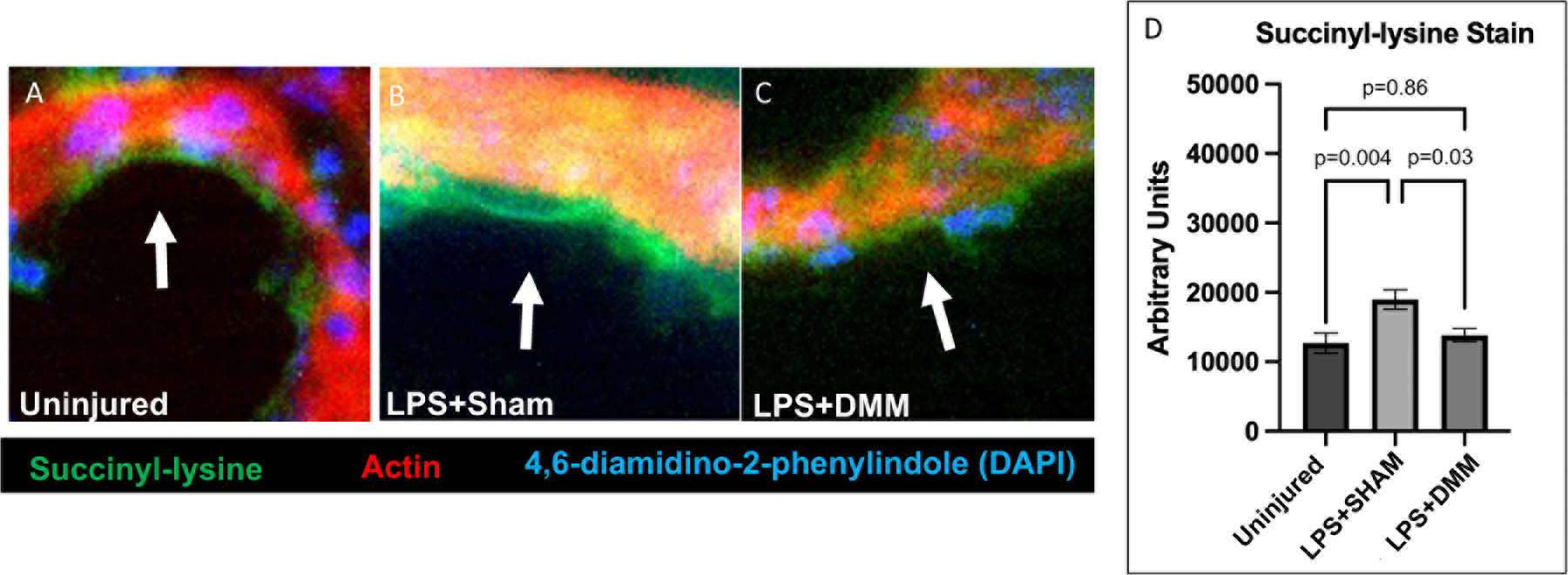
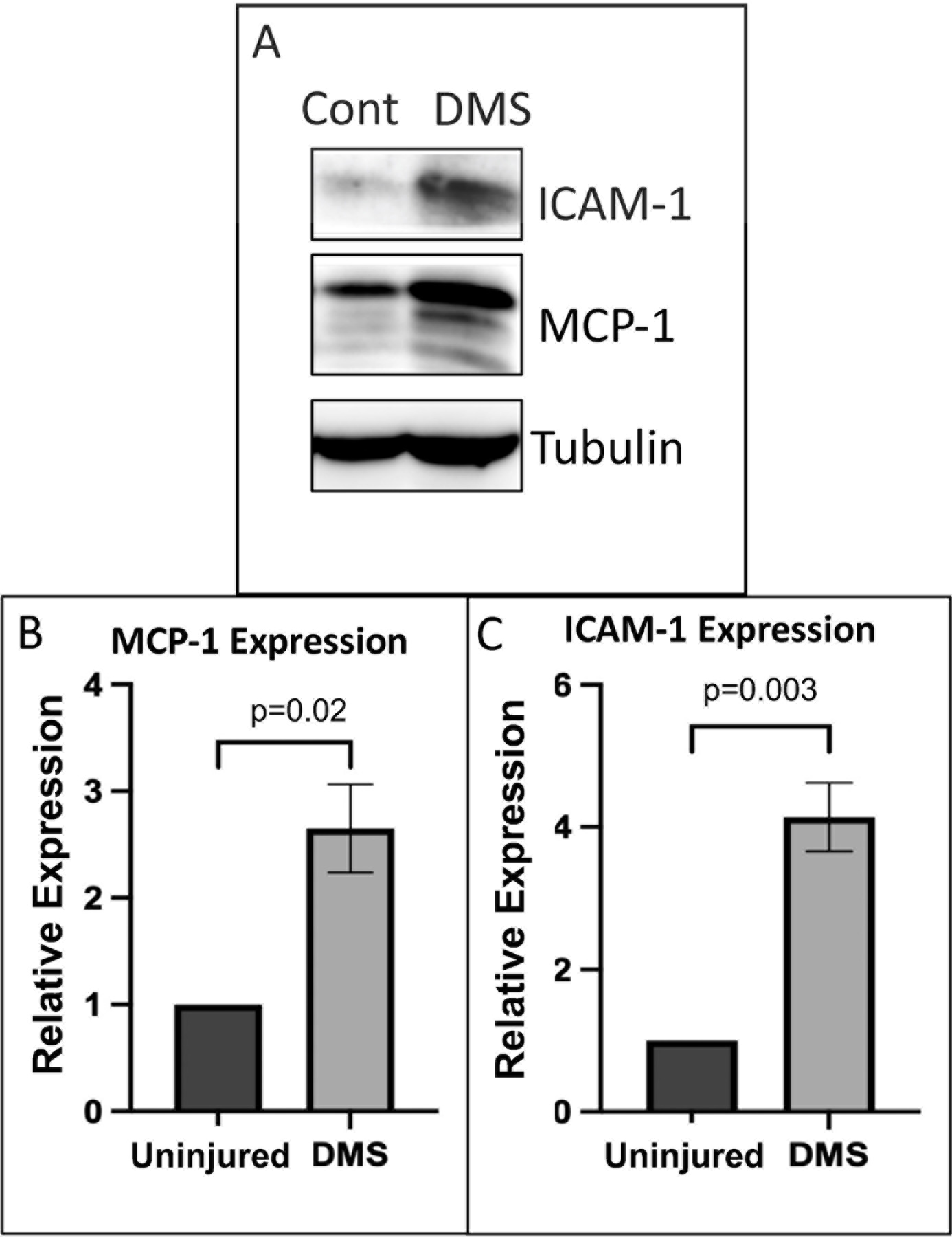
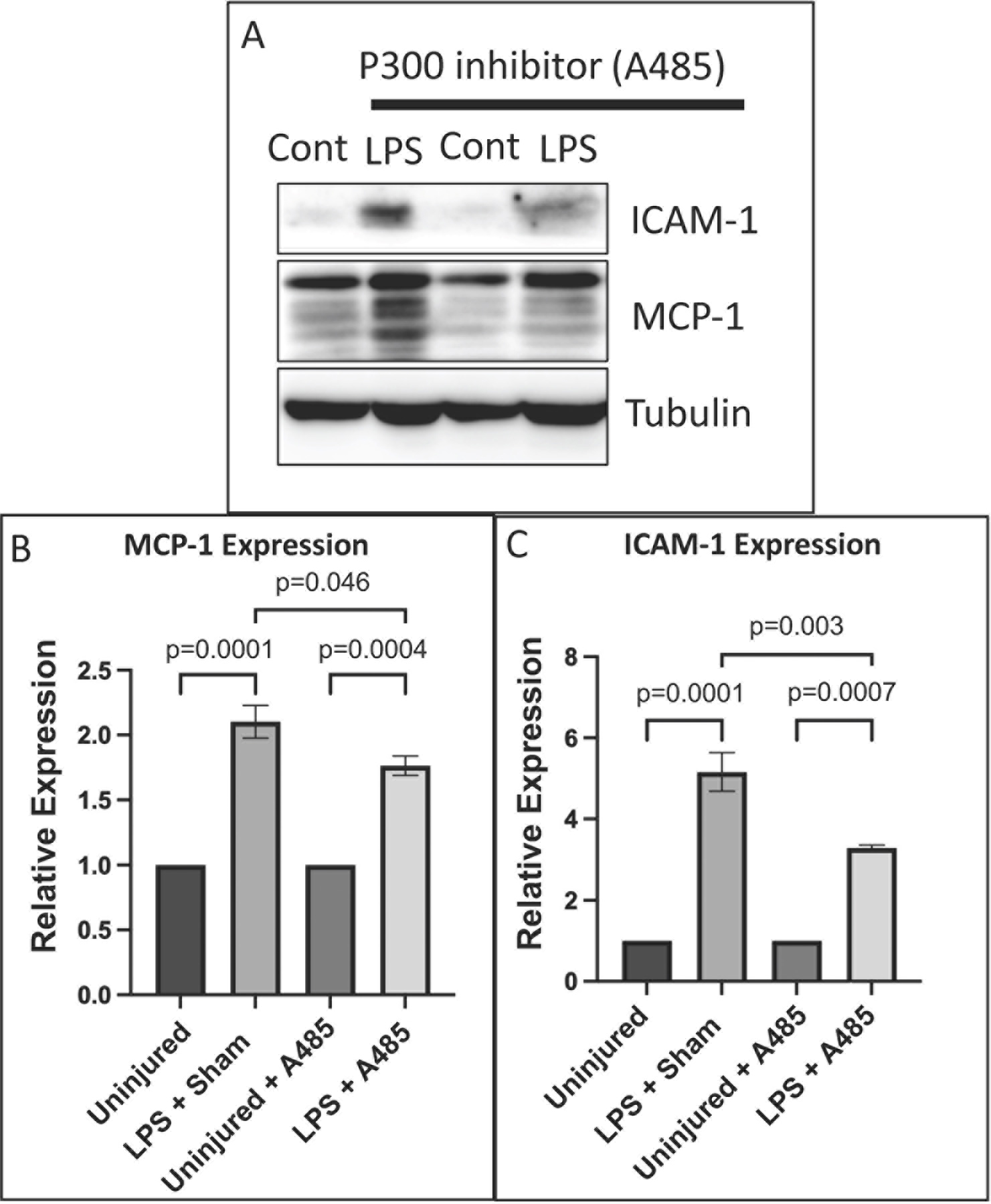
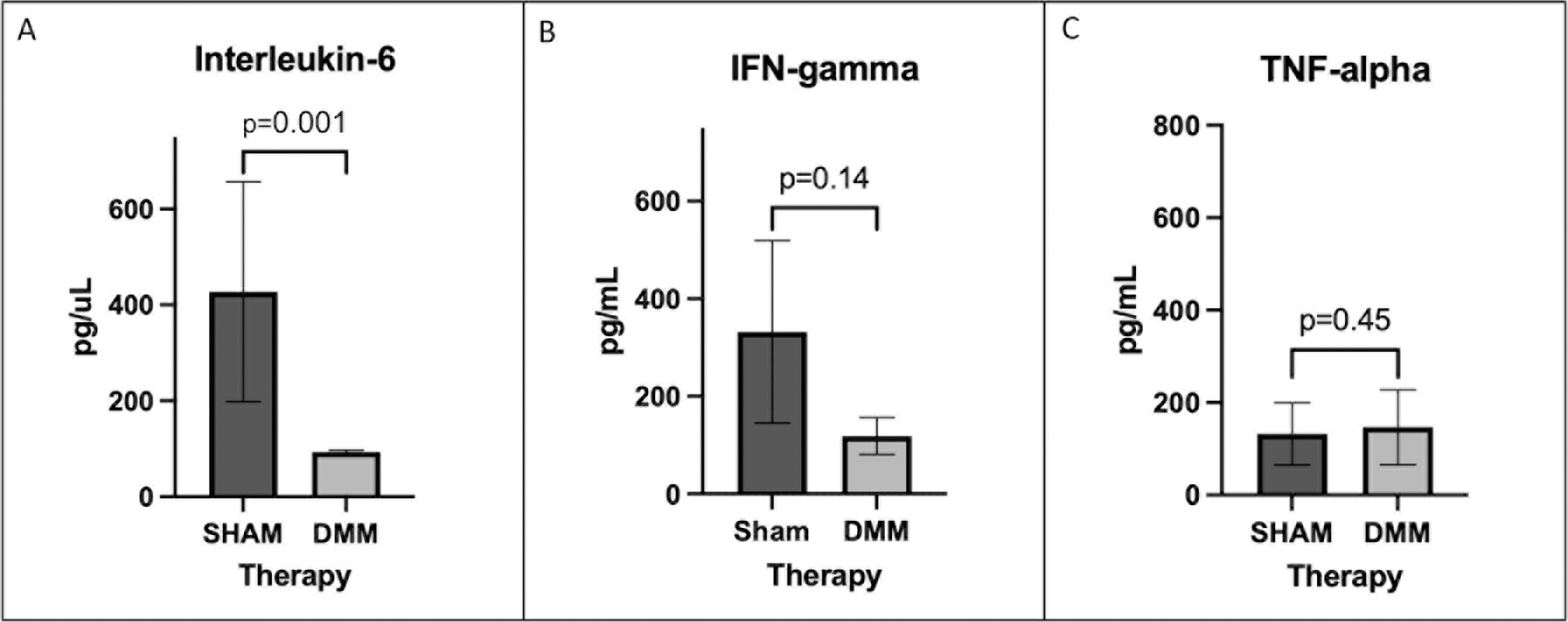
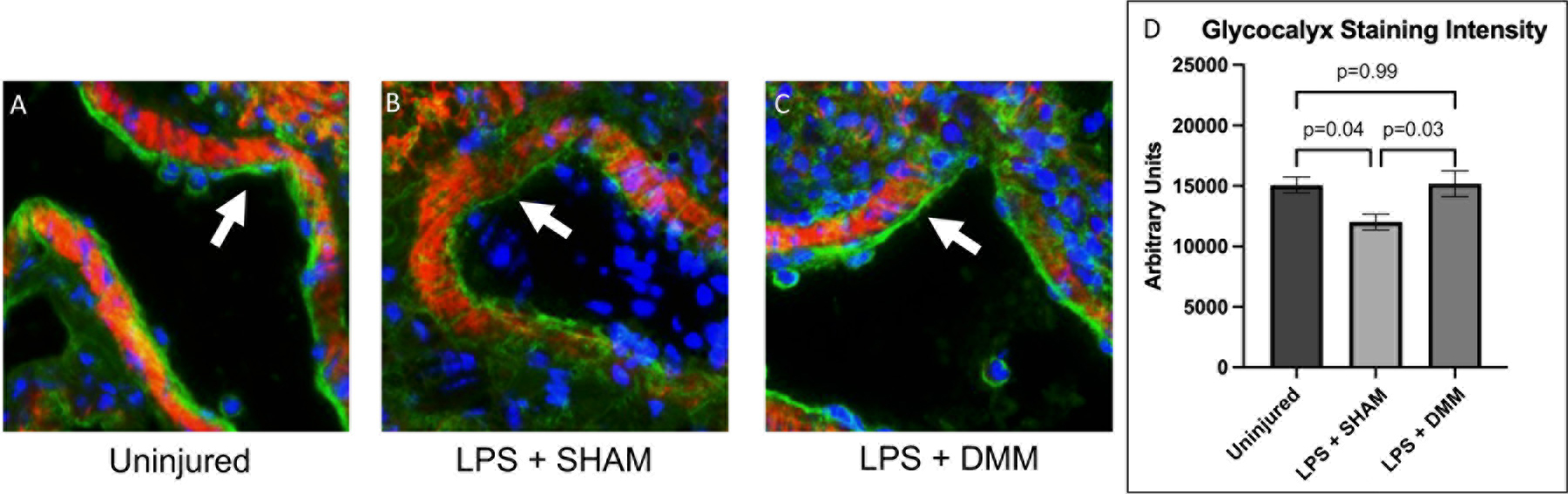
Description:Introduction: ; Succinate is a pro-inflammatory citric acid cycle metabolite that accumulates in tissues during pathophysiological states. Oxidation of succinate after ischemia-reperfusion leads to reversal of the electron transport chain and generation of reactive oxygen species. Dimethyl malonate (DMM) is a competitive inhibitor of succinate dehydrogenase, which has been shown to reduce succinate accumulation. We hypothesized that DMM would protect against inflammation in a murine model of ARDS. ; Methods: ; C57BL/6 mice were given ARDS via 67.7 ug of intra-tracheally administered lipopolysaccharide (LPS). DMM (50 mg/kg) was administered via tail vein injection 30 minutes after injury, then daily for 3 days. The animals were sacrificed on day 4 after bronchoalveolar lavage (BAL). BAL cell counts were performed to examine cellular influx. Supernatant protein was quantified via Bradford protein assay. Animals receiving DMM (n=8) were compared to those receiving sham injection (n=8). Cells were fixed and stained with FITC-labelled wheat germ agglutinin to quantify the endothelial glycocalyx (EGX). ; Results: ; Total cell counts in BAL was less for animals receiving DMM (6.93 × 10⁶ vs. 2.46 × 10⁶, p=0.04). The DMM group had less BAL macrophages (168.6 vs. 85.1, p=0.04) and lymphocytes (527.7 vs. 248.3; p=0.04). DMM treated animals had less protein leak in BAL than sham treated (1.48 vs. 1.15 ug/ul, p=0.03). Treatment with DMM resulted in greater staining intensity of the EGX in the lung when compared to sham (12,016 vs. 15,186 Arbitrary Units, p=0.03). Untreated animals had a greater degree of weight loss than treated animals (3.7% vs. 1.1%, p=0.04). DMM prevented the upregulation of MCP-1 (1.66 vs. 0.92 RE, p=0.02) and ICAM-1 (1.40 vs. 1.01 RE, p=0.05). ; Conclusions: ; DMM reduces lung inflammation and capillary leak in ARDS. This may be mediated by protection of the EGX and inhibition of MCP-1 and ICAM-1. DMM may be a novel therapeutic for ARDS.
-
Subjects:
-
Source:J Trauma Acute Care Surg. 96(3):386-393
-
Pubmed ID:37934622
-
Pubmed Central ID:PMC10922501
-
Document Type:
-
Funding:
-
Volume:96
-
Issue:3
-
Download URL:
-
File Type:
 [PDF - 1.24 MB]
 -
Collection(s):
-
Main Document Checksum:urn:sha-512:3386b73be3c0e890f65fc539d330919f6b60c144aa418e26d60513cf44700010ae453eaa1a609dfe8d35b54a59d42e399d07582b30647bd61c01aceb7a189fc3
Supporting Files


File Language:
English
 Was this page helpful?
 Found an issue?




CDC STACKS serves as an archival repository of CDC-published products including
scientific findings, journal articles, guidelines, recommendations, or other public health information authored or
co-authored by CDC or funded partners.
As a repository, CDC STACKS retains documents in their original published format to ensure public access to scientific information.
As a repository, CDC STACKS retains documents in their original published format to ensure public access to scientific information.
You May Also Like
COLLECTION
CDC Public Access