



Nonsusceptibility of Primate Cells to Taura Syndrome Virus
Supporting Files
Public Domain

-
Dec 2004
Details
-
Alternative Title:Emerg Infect Dis
-
Personal Author:
-
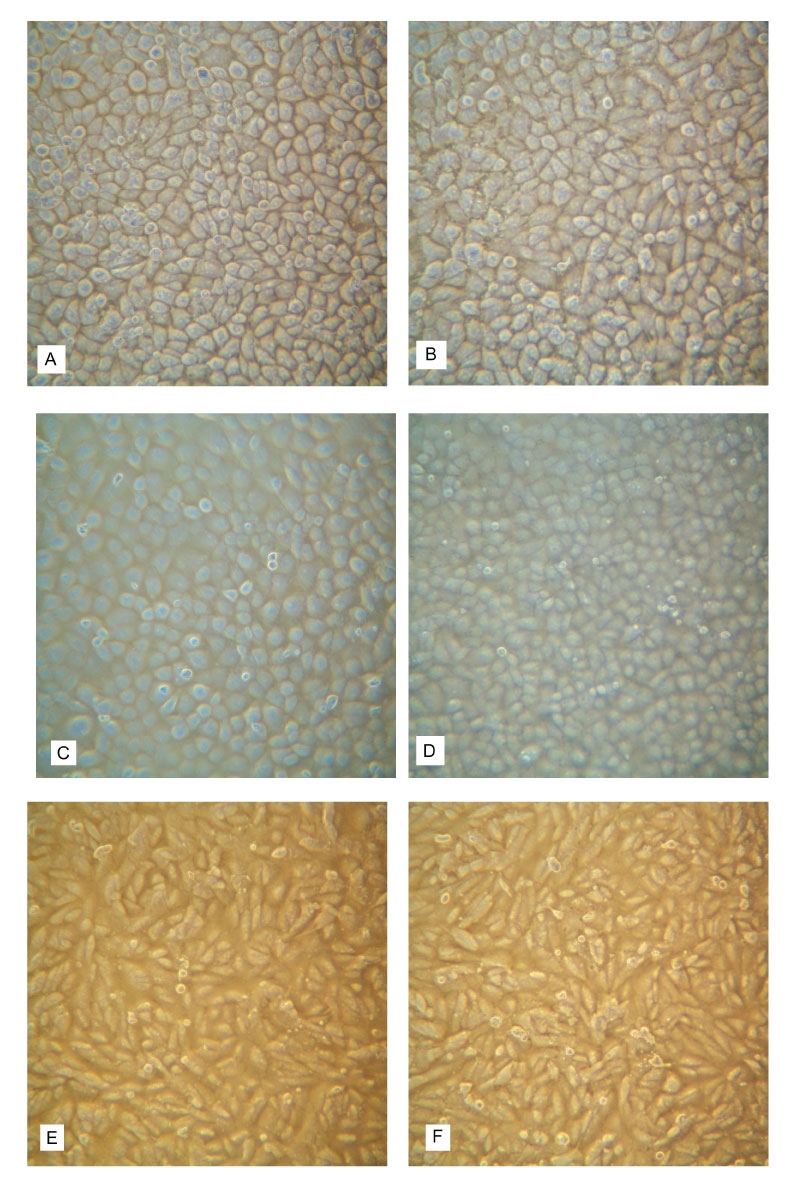
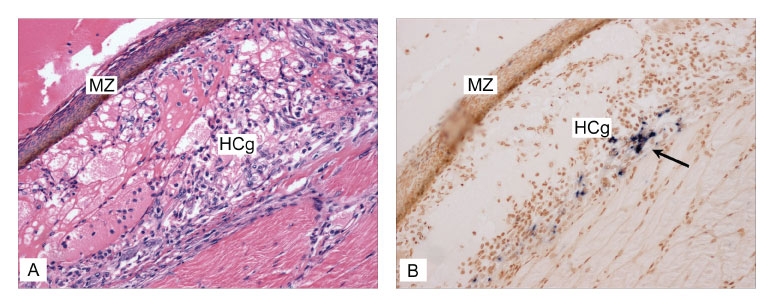
Description:Taura syndrome virus (TSV), a pathogen of penaeid shrimp and member of the family Dicistroviridae, was recently reported to have the ability to infect primate cells. We independently retested this hypothesis. Three lines of primate cells FRhK-4, MA-104, and BGMK, which are highly susceptible to infection by human picornaviruses, were challenged with TSV. Viral replication was assayed by real-time reverse transcription-polymerase chain reaction using cell media samples collected on days 0, 4, and 7 postchallenge. By day 7, genome copy numbers had decreased 25%-99%. No cytopathic effect was observed after 7 days. An in situ hybridization assay, with gene probes specific for detection of TSV, was negative for TSV in challenged cells. The infectivity of residual virus in the cell culture media at day 7 was confirmed by bioassay using TSV-free indicator shrimp (Litopenaeus vannamei). TSV did not infect the primate cells tested, and no evidence of zoonotic potential was found.
-
Subjects:
-
Source:Emerg Infect Dis. 10(12):2106-2112.
-
Document Type:
-
Volume:10
-
Issue:12
-
Download URL:
-
File Type:
 [PDF - 735.99 KB]
 -
Collection(s):
-
Main Document Checksum:urn:sha256:a7041f117d009ef8eb25dcd87675c4d83330107737f5be3125bbf45214532cd0
Supporting Files


 Was this page helpful?
 Found an issue?







CDC STACKS serves as an archival repository of CDC-published products including
scientific findings, journal articles, guidelines, recommendations, or other public health information authored or
co-authored by CDC or funded partners.
As a repository, CDC STACKS retains documents in their original published format to ensure public access to scientific information.
As a repository, CDC STACKS retains documents in their original published format to ensure public access to scientific information.
You May Also Like
COLLECTION
Emerging Infectious Diseases