



Electron Microscopy for Rapid Diagnosis of Emerging Infectious Agents1
Supporting Files
Public Domain

-
Mar 2003
File Language:
English
Details
-
Alternative Title:Emerg Infect Dis
-
Personal Author:
-
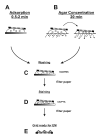
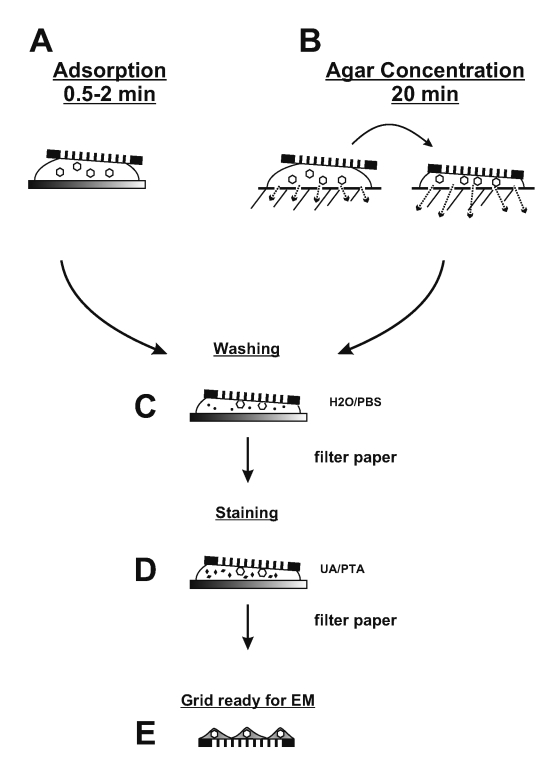
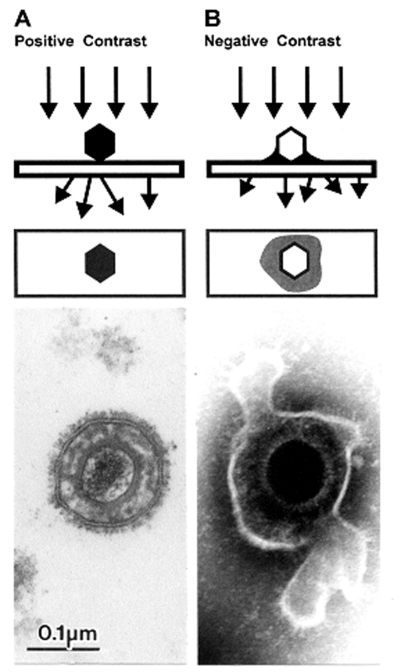
Description:Diagnostic electron microscopy has two advantages over enzyme-linked immunosorbent assay and nucleic acid amplification tests. After a simple and fast negative stain preparation, the undirected, "open view" of electron microscopy allows rapid morphologic identification and differential diagnosis of different agents contained in the specimen. Details for efficient sample collection, preparation, and particle enrichment are given. Applications of diagnostic electron microscopy in clinically or epidemiologically critical situations as well as in bioterrorist events are discussed. Electron microscopy can be applied to many body samples and can also hasten routine cell culture diagnosis. To exploit the potential of diagnostic electron microscopy fully, it should be quality controlled, applied as a frontline method, and be coordinated and run in parallel with other diagnostic techniques.
-
Subjects:
-
Source:Emerg Infect Dis. 9(3):294-303
-
Pubmed ID:12643823
-
Pubmed Central ID:PMC2958539
-
Document Type:
-
Volume:9
-
Issue:3
-
Download URL:
-
File Type:
 [PDF - 555.57 KB]
 -
Collection(s):
-
Main Document Checksum:urn:sha256:d1cfc882c6e4fe616a95aa47ca25f32ea7bd68b83ced564a19050b6cb3765753
Supporting Files


File Language:
English
 Was this page helpful?
 Found an issue?





CDC STACKS serves as an archival repository of CDC-published products including
scientific findings, journal articles, guidelines, recommendations, or other public health information authored or
co-authored by CDC or funded partners.
As a repository, CDC STACKS retains documents in their original published format to ensure public access to scientific information.
As a repository, CDC STACKS retains documents in their original published format to ensure public access to scientific information.
You May Also Like
COLLECTION
Emerging Infectious Diseases