



Induction of Inflammation by West Nile virus Capsid through the Caspase-9 Apoptotic Pathway
Supporting Files
Public Domain

-
Dec 2002
Details
-
Alternative Title:Emerg Infect Dis
-
Personal Author:Yang, Joo-Sung ; Ramanathan, Mathura P. ; Muthumani, Karuppiah ; Choo, Andrew Y. ; Jin, Sung-Ha ; Yu, Qian-Chun ; Hwang, Daniel S. ; Choo, Daniel K. ; Lee, Mark D. ; Dang, Kesen ; Kim, J. Joseph ; Weiner, David B.
-
Corporate Authors:
-
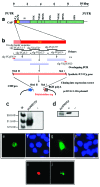
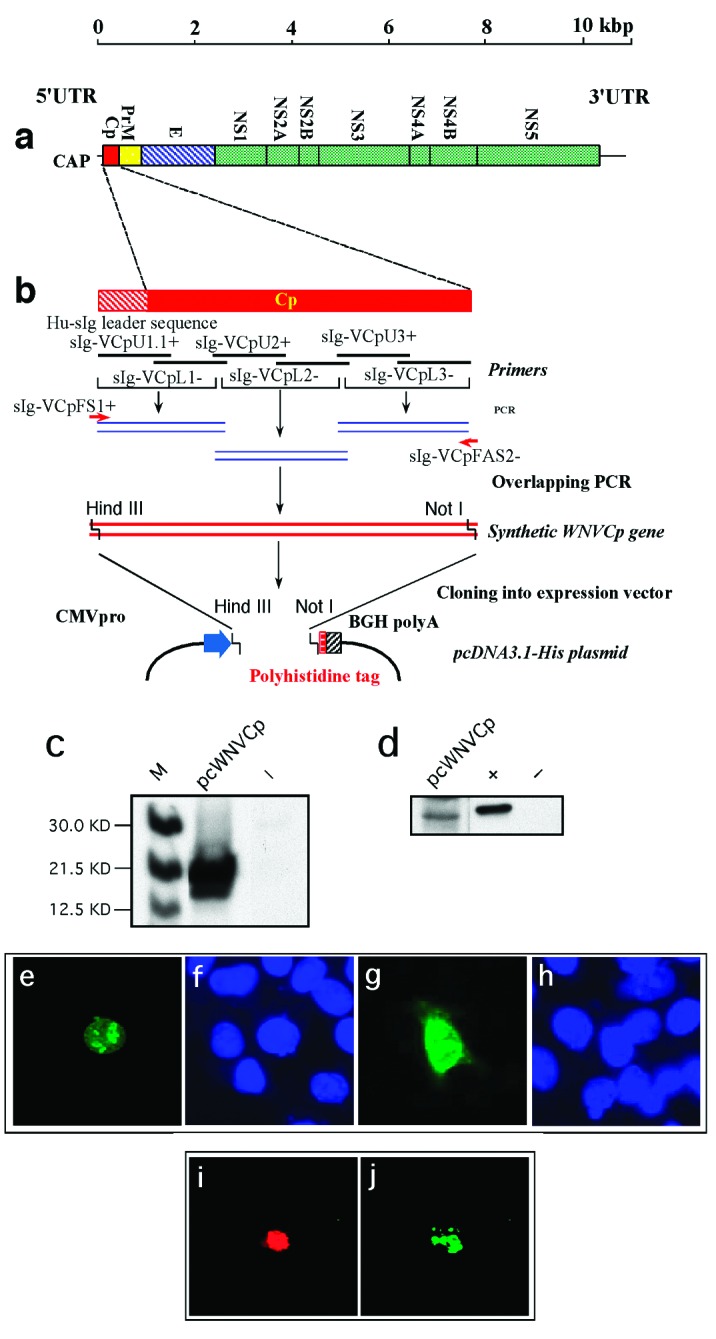
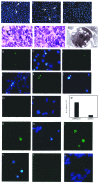
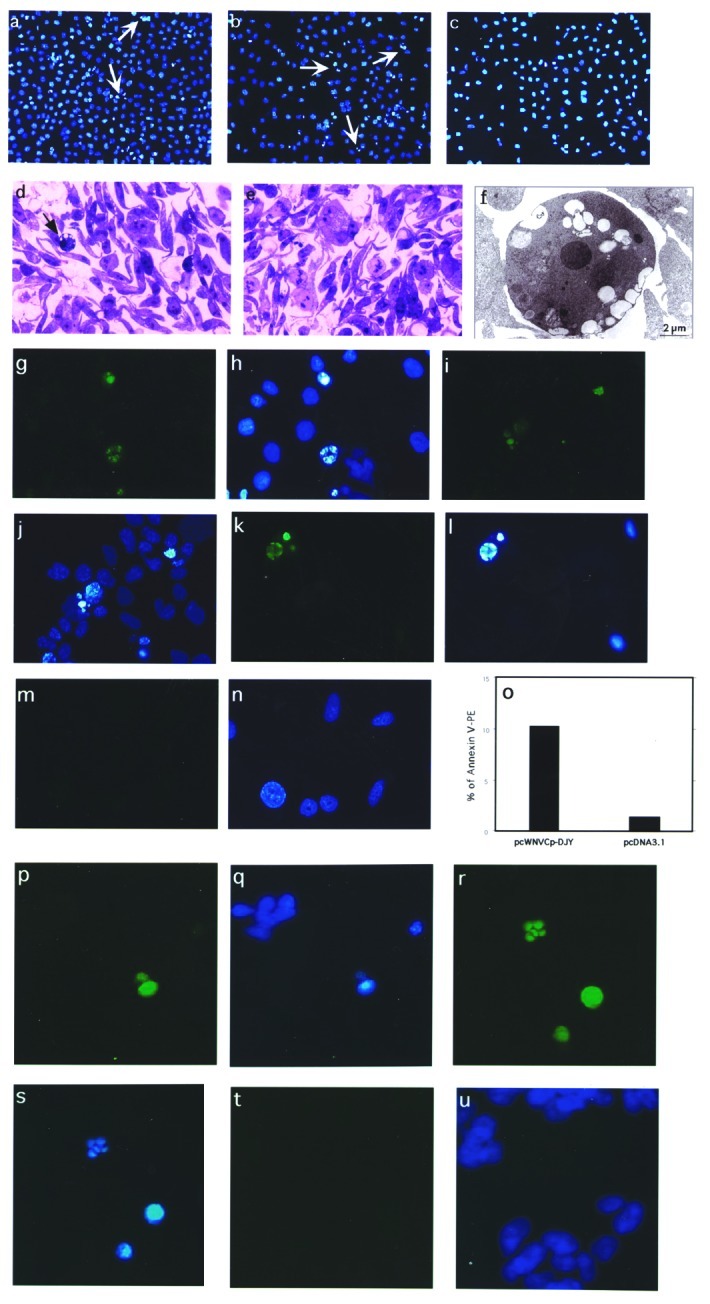
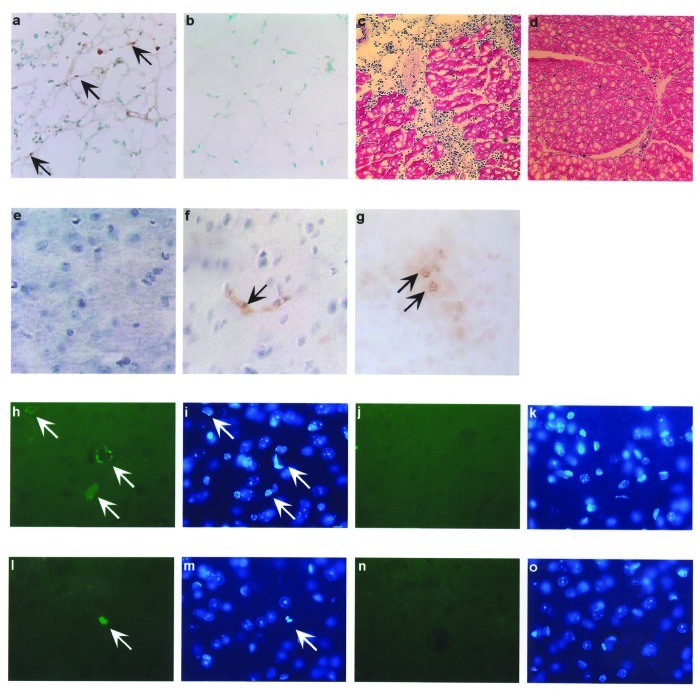
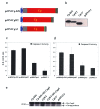
Description:West Nile virus (WNV) is a member of the Flaviviridae family of vector-borne pathogens. Clinical signs of WNV infection include neurologic symptoms, limb weakness, and encephalitis, which can result in paralysis or death. We report that the WNV-capsid by itself induces rapid nuclear condensation and cell death in tissue culture. Apoptosis is induced through the mitochondrial pathway resulting in caspase-9 activation and downstream caspase-3 activation. Capsid gene delivery into the striatum of mouse brain or interskeletal muscle resulted in cell death and inflammation, likely through capsid-induced apoptosis in vivo. These studies demonstrate that the capsid protein of WNV may be responsible for aspects of viral pathogenesis through induction of the apoptotic cascade.
-
Subjects:
-
Source:Emerg Infect Dis. 8(12):1379-1384.
-
Document Type:
-
Volume:8
-
Issue:12
-
Download URL:
-
File Type:
 [PDF - 469.21 KB]
 -
Collection(s):
-
Main Document Checksum:urn:sha256:f9909975b960c5b2dced906a4611e335808f9c55c713f50e5ed10deb02cafac1
Supporting Files


 Was this page helpful?
 Found an issue?




CDC STACKS serves as an archival repository of CDC-published products including
scientific findings, journal articles, guidelines, recommendations, or other public health information authored or
co-authored by CDC or funded partners.
As a repository, CDC STACKS retains documents in their original published format to ensure public access to scientific information.
As a repository, CDC STACKS retains documents in their original published format to ensure public access to scientific information.
You May Also Like
COLLECTION
Emerging Infectious Diseases