


Impact of Contraceptive Education on Knowledge and Decision Making: An Updated Systematic Review
Supporting Files

-
11 2018
-
File Language:
English
Details
-
Alternative Title:Am J Prev Med
-
Personal Author:
-
Description:Context:
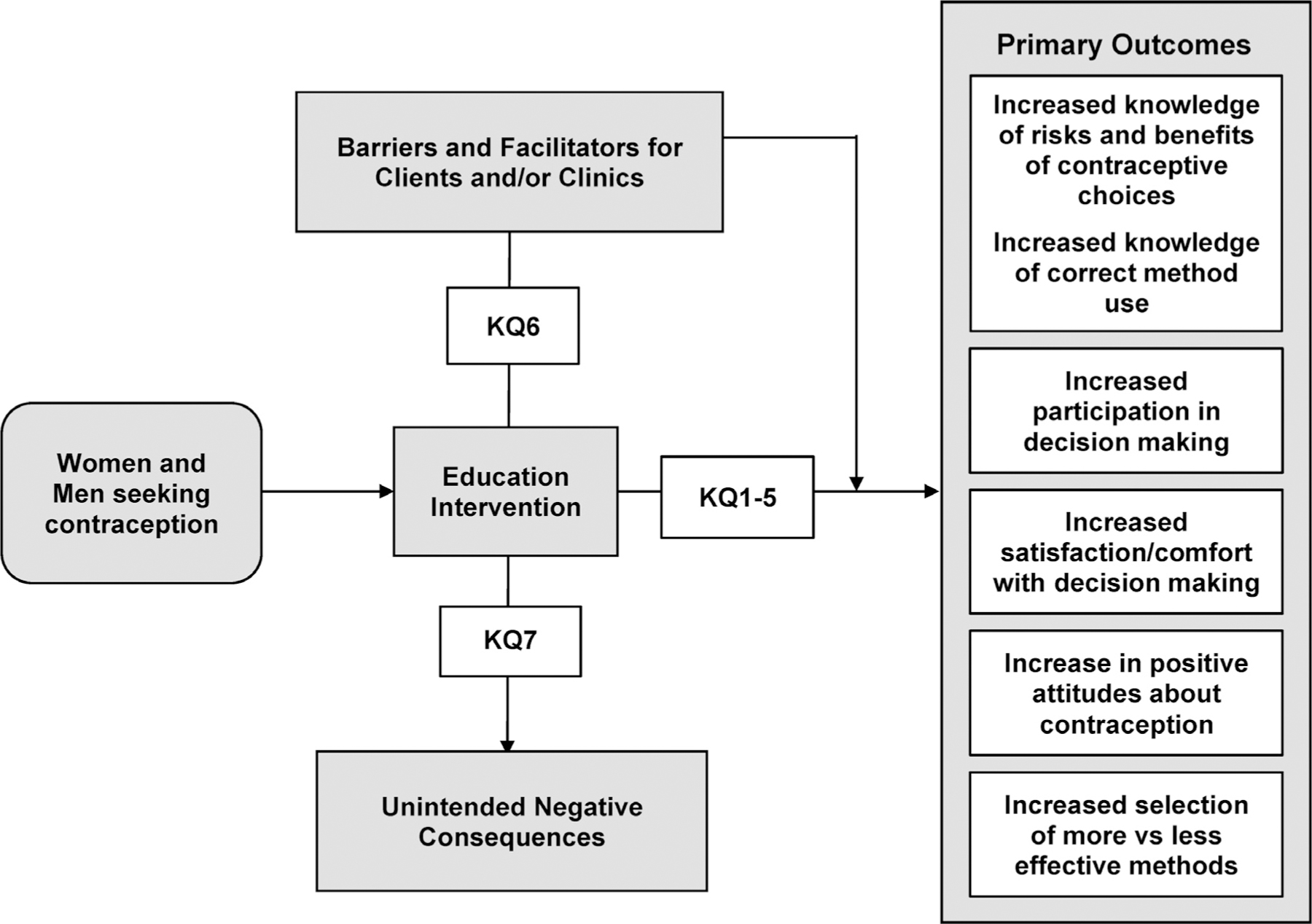
Educational interventions can help individuals increase their knowledge of available contraceptive methods, enabling them to make informed decisions and use contraception correctly. This review updates a previous review of contraceptive education.
Evidence acquisition:
Multiple databases were searched for articles published March 2011–November 2016. Primary outcomes were knowledge, participation in and satisfaction/comfort with decision making, attitudes toward contraception, and selection of more effective methods. Secondary outcomes included contraceptive behaviors and pregnancy. Excluded articles described interventions that had no comparison group, could not be conducted feasibly in a clinic setting, or were conducted outside the U.S. or similar country.
Evidence synthesis:
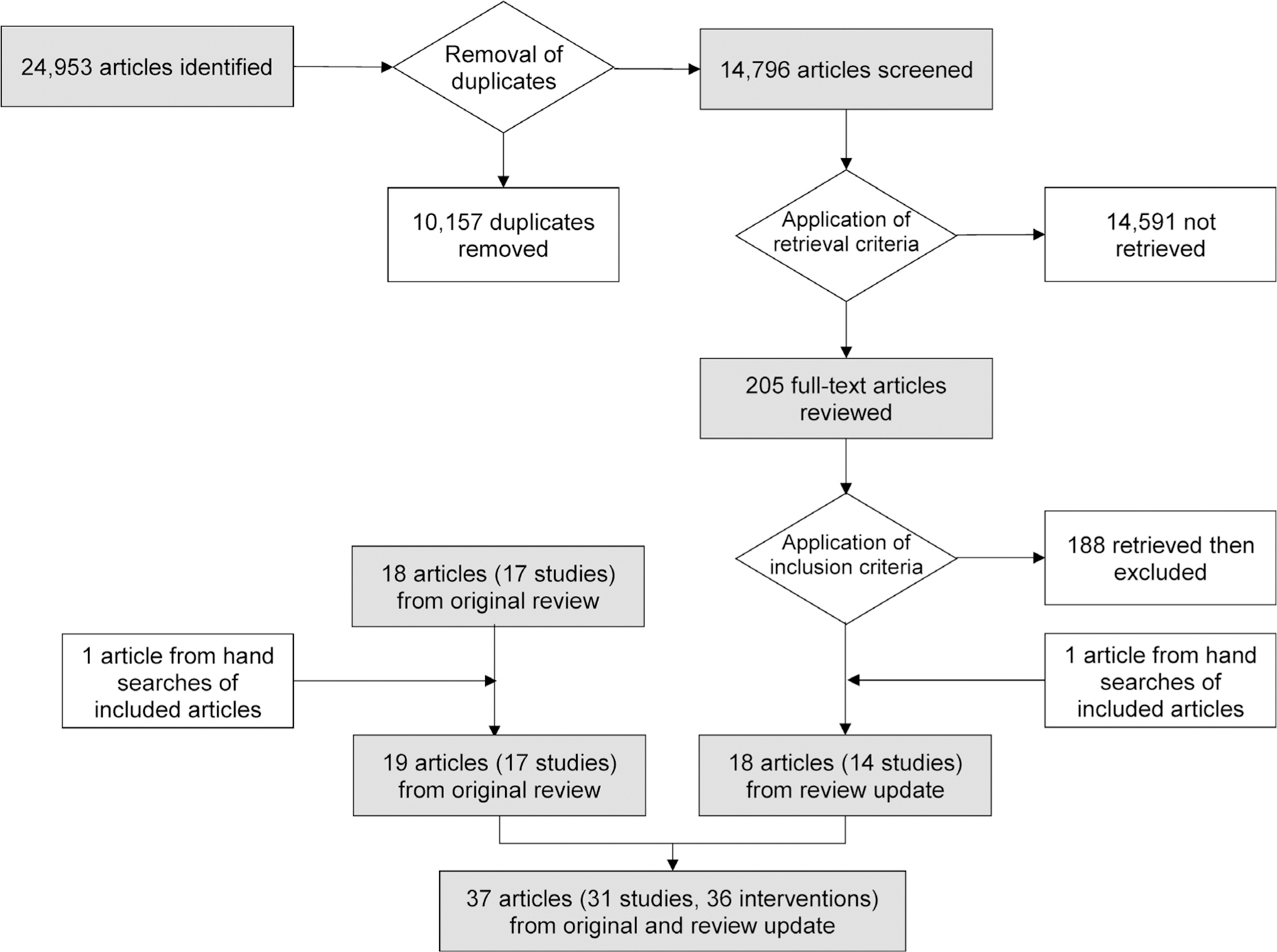
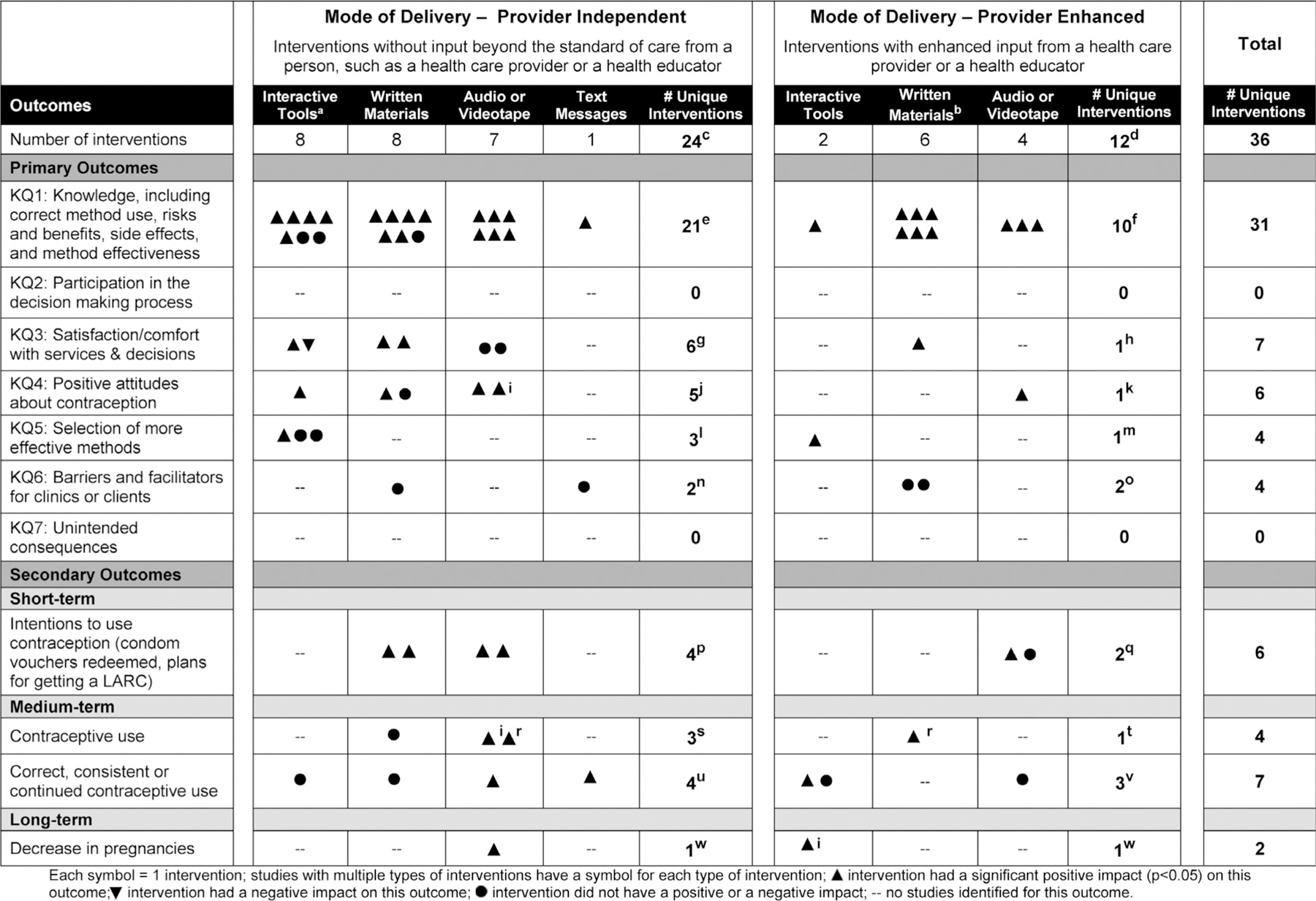
A total of 24,953 articles were identified. Combined with the original review, 37 articles met inclusion criteria and described 31 studies implementing a range of educational approaches (interactive tools, written materials, audio/videotapes, and text messages), with and without healthcare provider feedback, for a total of 36 independent interventions. Of the 31 interventions for which knowledge was assessed, 28 had a positive effect. Fewer were assessed for their effect on attitudes toward contraception, selection of more effective methods, contraceptive behaviors, or pregnancy—although increased knowledge was found to mediate additional outcomes (positive attitudes toward contraception and contraceptive continuation).
Conclusions:
This systematic review is consistent with evidence from the broader healthcare field in suggesting that a range of interventions can increase knowledge. Future studies should assess what aspects are most effective, the benefits of including provider feedback, and the extent to which educational interventions can facilitate behavior change and attainment of reproductive health goals.
Theme information:
This article is part of a theme issue entitled Updating the Systematic Reviews Used to Develop the U.S. Recommendations for Providing Quality Family Planning Services, which is sponsored by the Office of Population Affairs, U.S. Department of Health and Human Services.
-
Subjects:
-
Source:Am J Prev Med. 55(5):703-715
-
Pubmed ID:30342633
-
Pubmed Central ID:PMC10521032
-
Document Type:
-
Funding:
-
Volume:55
-
Issue:5
-
Collection(s):
-
Main Document Checksum:urn:sha-512:15e9477ad2d56e0a093c39f5d50491aa7c7bb9c21f15b9fd9af064713f917b99285b2f89b3954407d39802afe936339dbb74fb6a4f3c2cef483b29f09c7777d8
-
Download URL:
-
File Type:
 [PDF
- 830.10 KB
]
[PDF
- 830.10 KB
]
Supporting Files


File Language:
English
ON THIS PAGE

CDC STACKS serves as an archival repository of CDC-published products including
scientific findings,
journal articles, guidelines, recommendations, or other public health information authored or
co-authored by CDC or funded partners.
As a repository, CDC STACKS retains documents in their original published format to ensure public access to scientific information.
As a repository, CDC STACKS retains documents in their original published format to ensure public access to scientific information.
You May Also Like
COLLECTION
CDC Public Access