



Dynamics of protein synthesis in the initial steps of strobilation in the model cestode parasite Mesocestoides corti (syn. vogae)
Supporting Files

-
9 30 2020
-
Available in CDC Stacks on September 08, 2023, 12:00 AM
File Language:
English
Details
-
Alternative Title:J Proteomics
-
Personal Author:
-
Description:Biological significance:
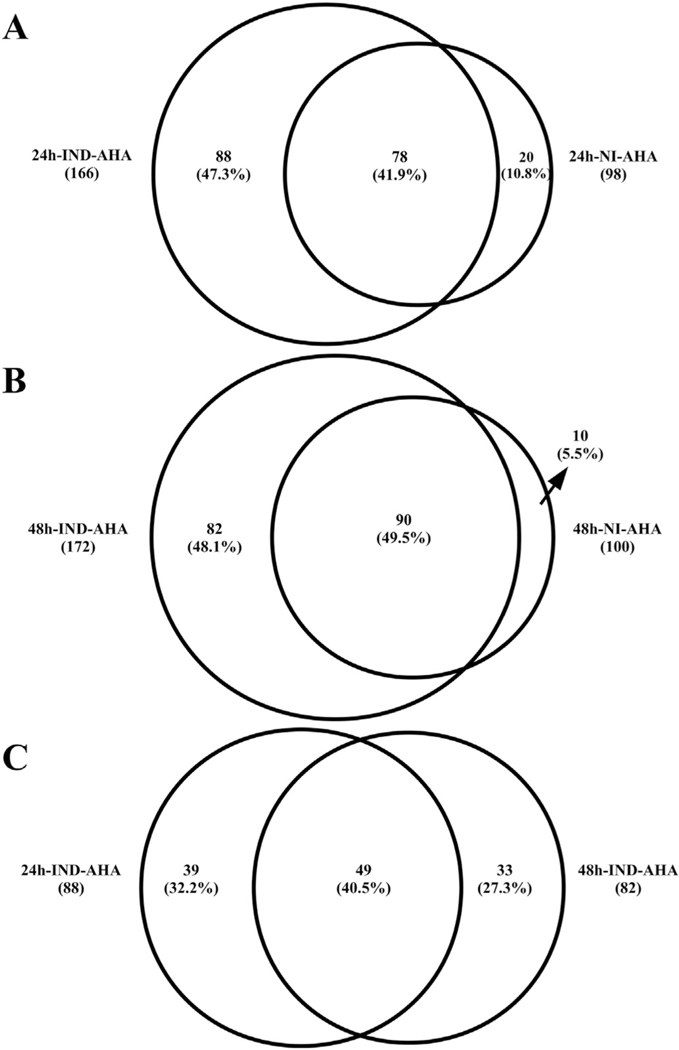
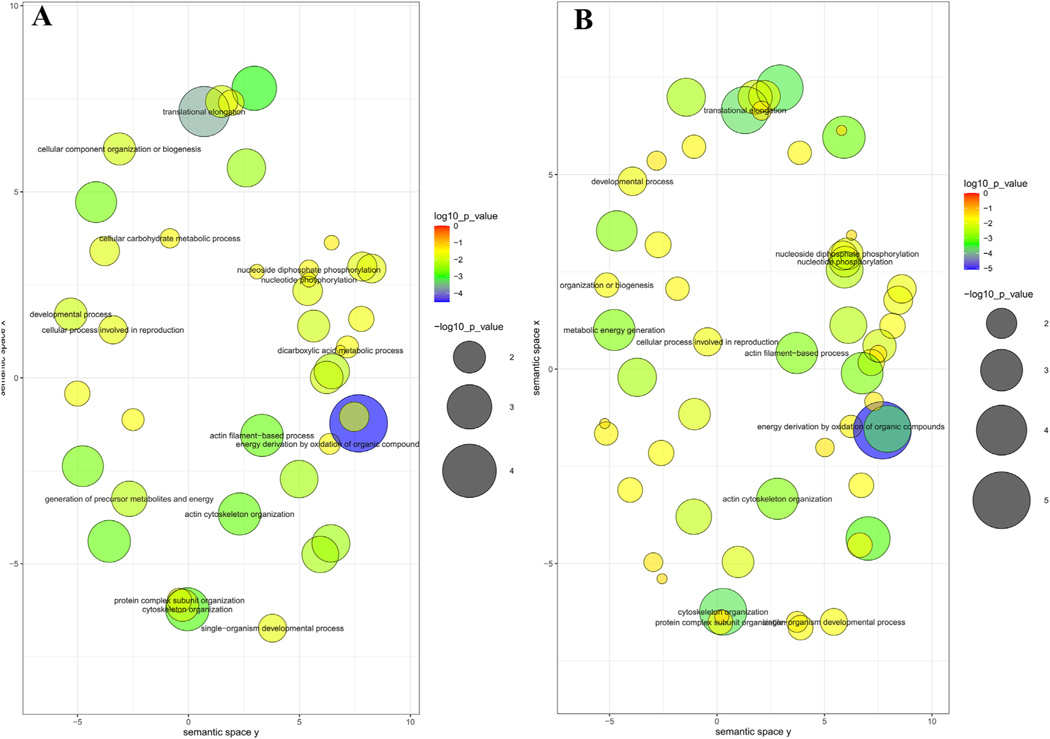
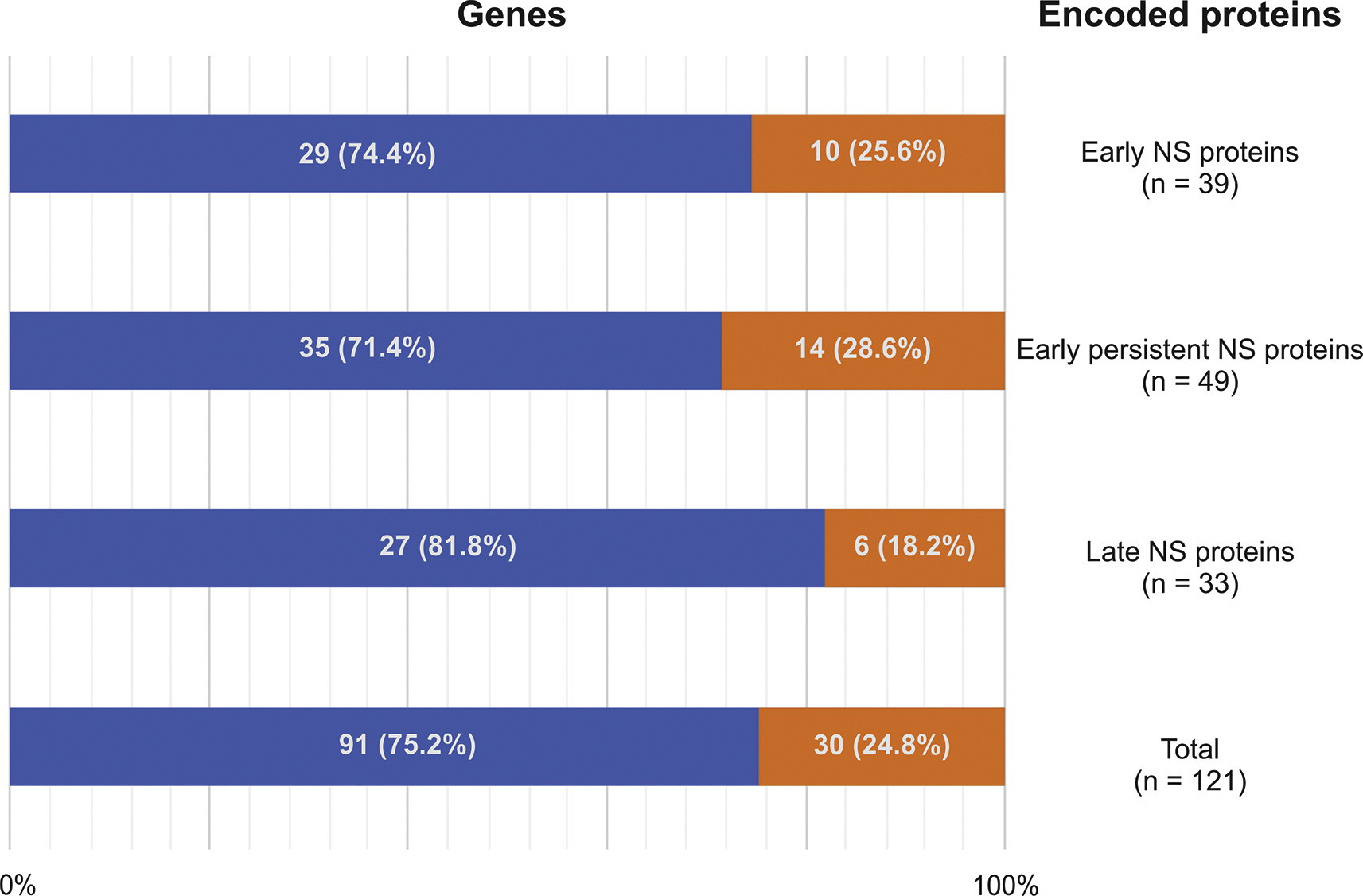
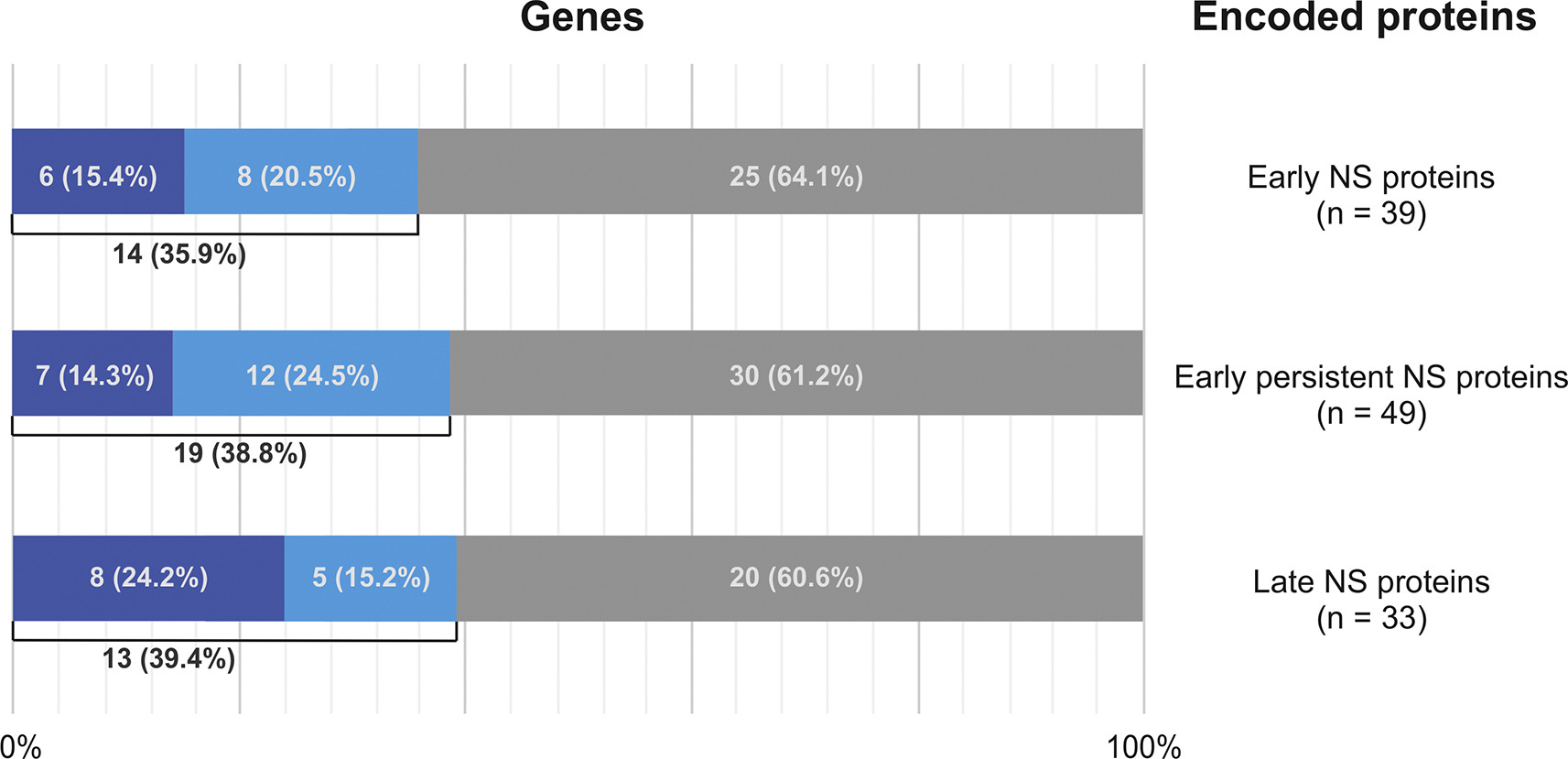
Larval cestodiases are life-threatening parasitic diseases that affect both man and domestic animals worldwide. Cestode parasites present complex life cycles, in which they undergo major morphological and physiological changes in the transition from one life-stage to the next. One of these transitions occurs during cestode strobilation, when the mostly undifferentiated and non-segmented larval or pre-adult form develops into a fully segmented and sexually differentiated (strobilated) adult worm. Although the proteomes of bona fide larvae and strobialted adults have been previously characterized for a few cestode species, little is still known about the dynamic of protein synthesis during the early steps of cestode strobilation. Now, the assessment of newly synthesized (NS) proteins within the first 48 h of strobilation the model cestode M. corti allowed to shed light on molecular mechanisms that are triggered by strobilation induction. The functional analyses of this repertoire of over a hundred NS proteins pointed out to changes in metabolism and activation of classical developmental signaling pathways in early strobilation. Many of the identified NS proteins may become valuable cestode developmental markers and their involvement in vital processes make them also good candidate targets for novel anthelmintic drugs. -
Subjects:
-
Source:J Proteomics. 228:103939
-
Pubmed ID:32798775
-
Pubmed Central ID:PMC10491476
-
Document Type:
-
Funding:
-
Volume:228
-
Download URL:
-
File Type:
 [PDF - 1.37 MB]
 -
Collection(s):
-
Main Document Checksum:urn:sha256:8a572feeb7592a6758e544faa3d43c94e91f4887838d78d3c1fe31101031e46f
Supporting Files


File Language:
English
 Was this page helpful?
 Found an issue?


CDC STACKS serves as an archival repository of CDC-published products including
scientific findings, journal articles, guidelines, recommendations, or other public health information authored or
co-authored by CDC or funded partners.
As a repository, CDC STACKS retains documents in their original published format to ensure public access to scientific information.
As a repository, CDC STACKS retains documents in their original published format to ensure public access to scientific information.
You May Also Like
COLLECTION
CDC Public Access