


Sampling Strategies for Accurate Hazard Mapping of Noise and Other Hazards Using Short-Duration Measurements
Supporting Files

-
3 01 2017
-
File Language:
English
Details
-
Alternative Title:Ann Work Expo Health
-
Personal Author:
-
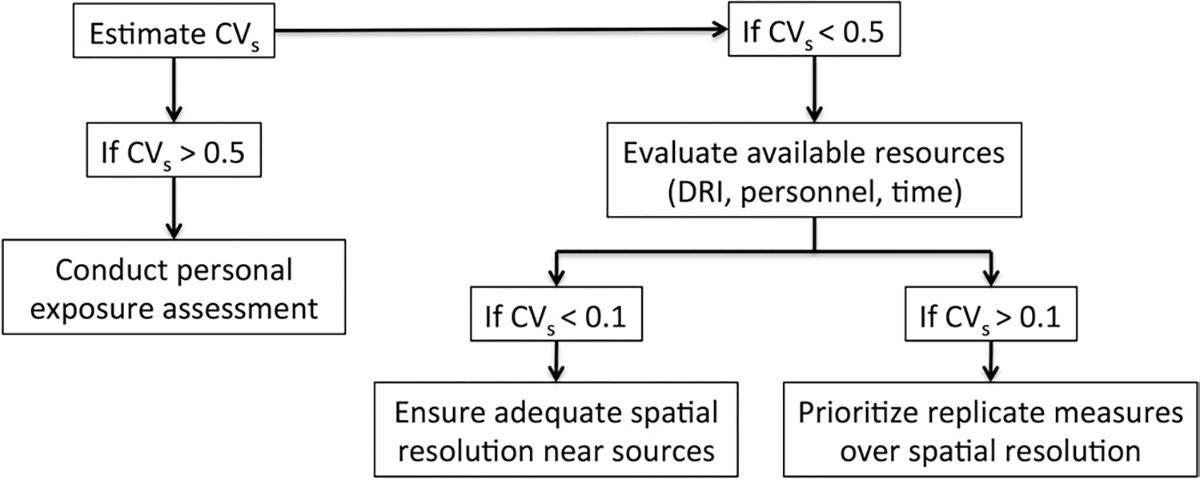
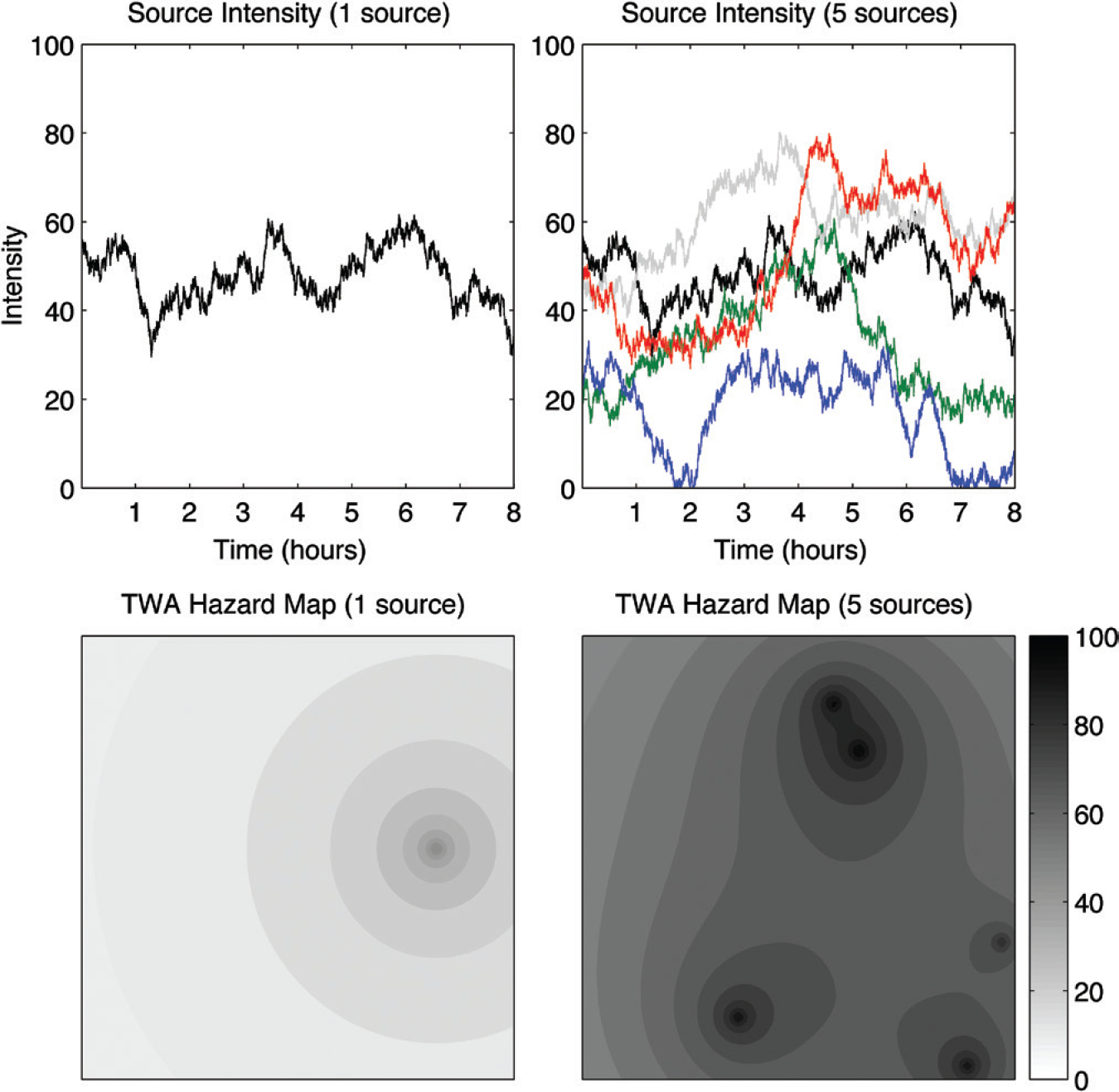
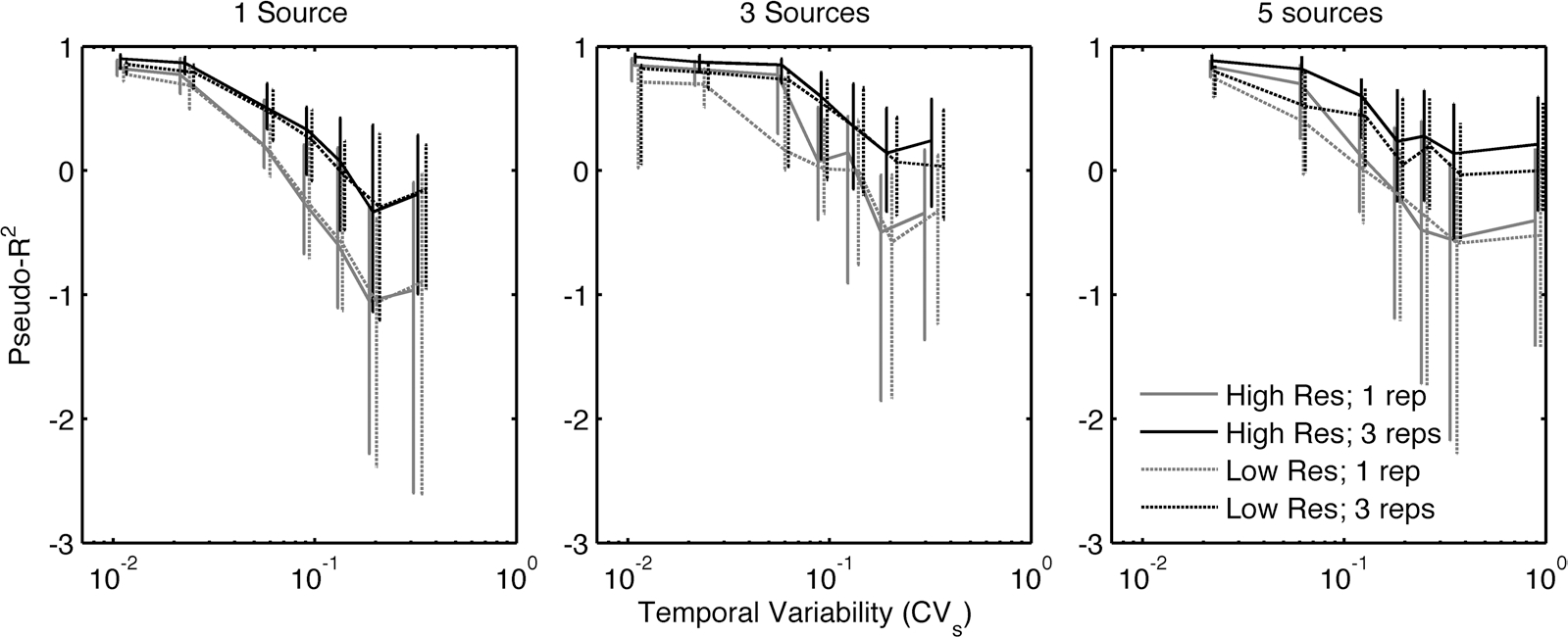
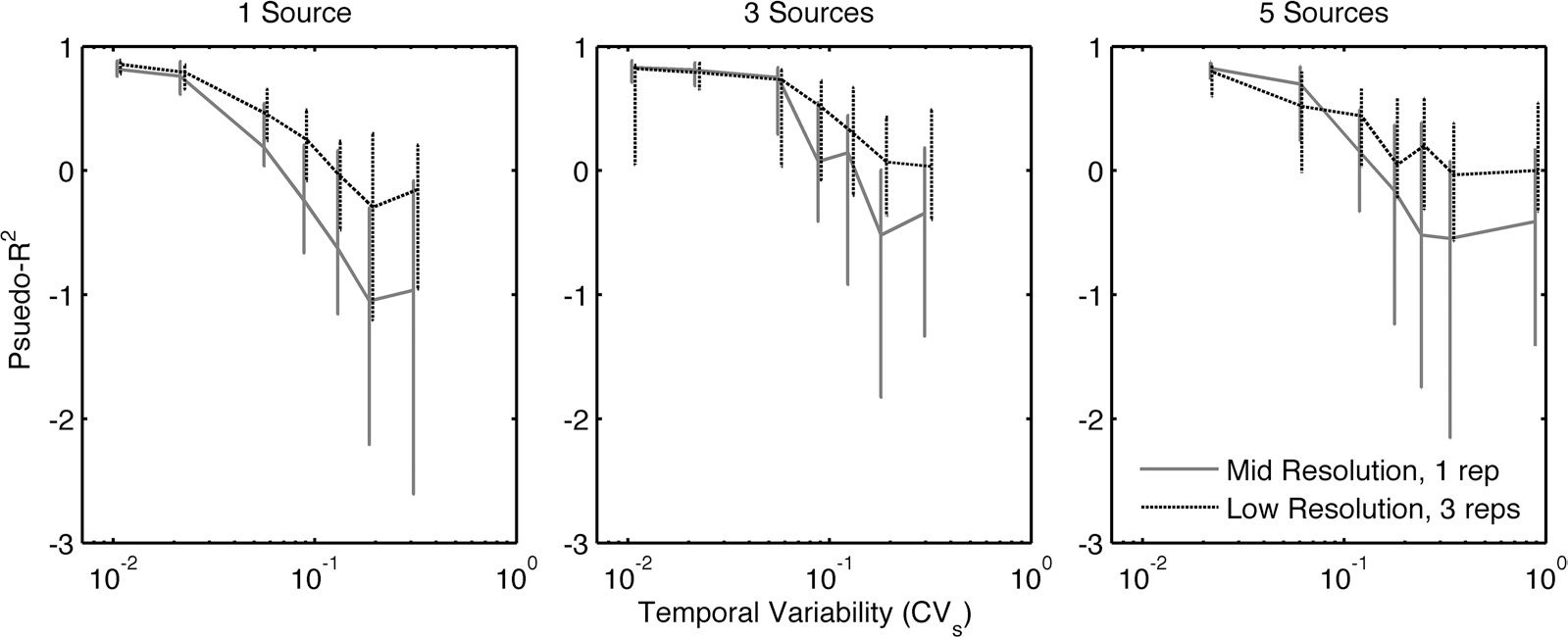
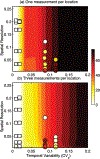
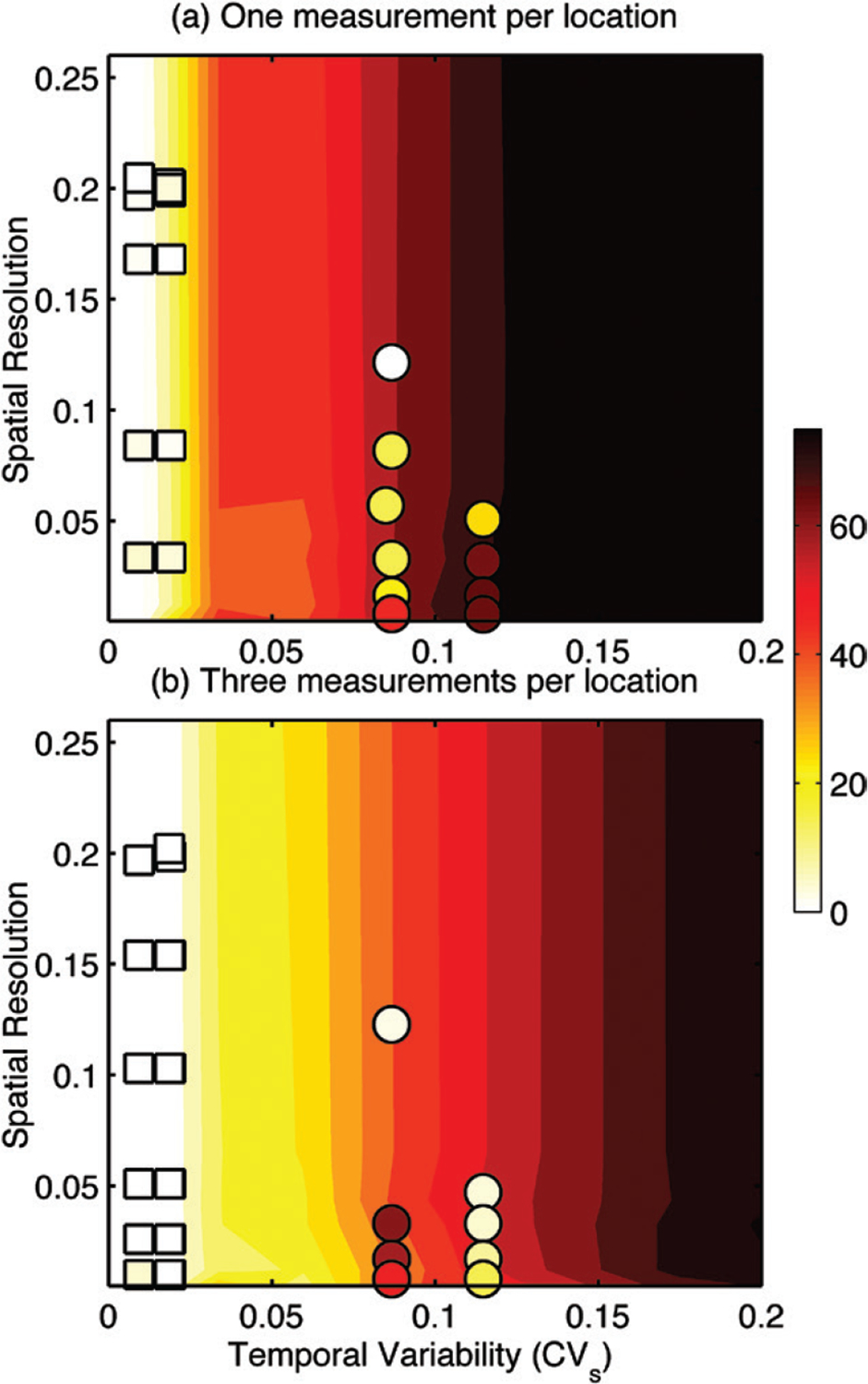
Description:Hazard mapping is an effective way to depict spatial variability in hazard intensity obtained with direct-reading instruments on a facility floor plan. However, the extent to which temporal variability affects map accuracy is unknown, and guidance on sampling strategies to minimize map bias is lacking. In this study, we evaluated the accuracy of hazard maps produced for simulated sources and sampling strategies in a hypothetical facility. Hazard maps were produced from sampled data at high, mid, and low spatial resolution and with and without replicates and compared to a reference time-weighted average hazard map using several map comparison metrics. In agreement with 'real-world' mapping datasets, the simulation showed that increasing the number of replicates improved the overall comparability of the hazard map produced from the sampled data with the time-weighted average hazard map more efficiently than increasing the sampling spatial resolution. However, if accurately capturing peak exposures near sources is of interest, increasing the spatial resolution of the measurements, particularly near sources, is needed. From these results, we formulated guidelines to use the preliminary assessment of the temporal variability of large and intermittent sources to inform the spatial resolution and need for replicate measures to minimize the bias in hazard maps.
-
Subjects:
-
Source:Ann Work Expo Health. 61(2):183-194
-
Pubmed ID:28395352
-
Pubmed Central ID:PMC10463825
-
Document Type:
-
Funding:
-
Volume:61
-
Issue:2
-
Collection(s):
-
Main Document Checksum:urn:sha256:110c4481774ca238248d5a602bd13152061e52dc977f06c17f77323026a7e1d9
-
Download URL:
-
File Type:
 [PDF
- 610.49 KB
]
[PDF
- 610.49 KB
]
Supporting Files


File Language:
English
ON THIS PAGE

CDC STACKS serves as an archival repository of CDC-published products including
scientific findings,
journal articles, guidelines, recommendations, or other public health information authored or
co-authored by CDC or funded partners.
As a repository, CDC STACKS retains documents in their original published format to ensure public access to scientific information.
As a repository, CDC STACKS retains documents in their original published format to ensure public access to scientific information.
You May Also Like
COLLECTION
CDC Public Access