



Active Surveillance of Musculoskeletal Disorder Symptoms in the Development of Safety Interventions for Professional Loggers
Supporting Files

-
2019 ; 2019
-
Available in CDC Stacks on August 03, 2023, 12:00 AM
File Language:
English
Details
-
Alternative Title:Safety (Basel)
-
Personal Author:
-
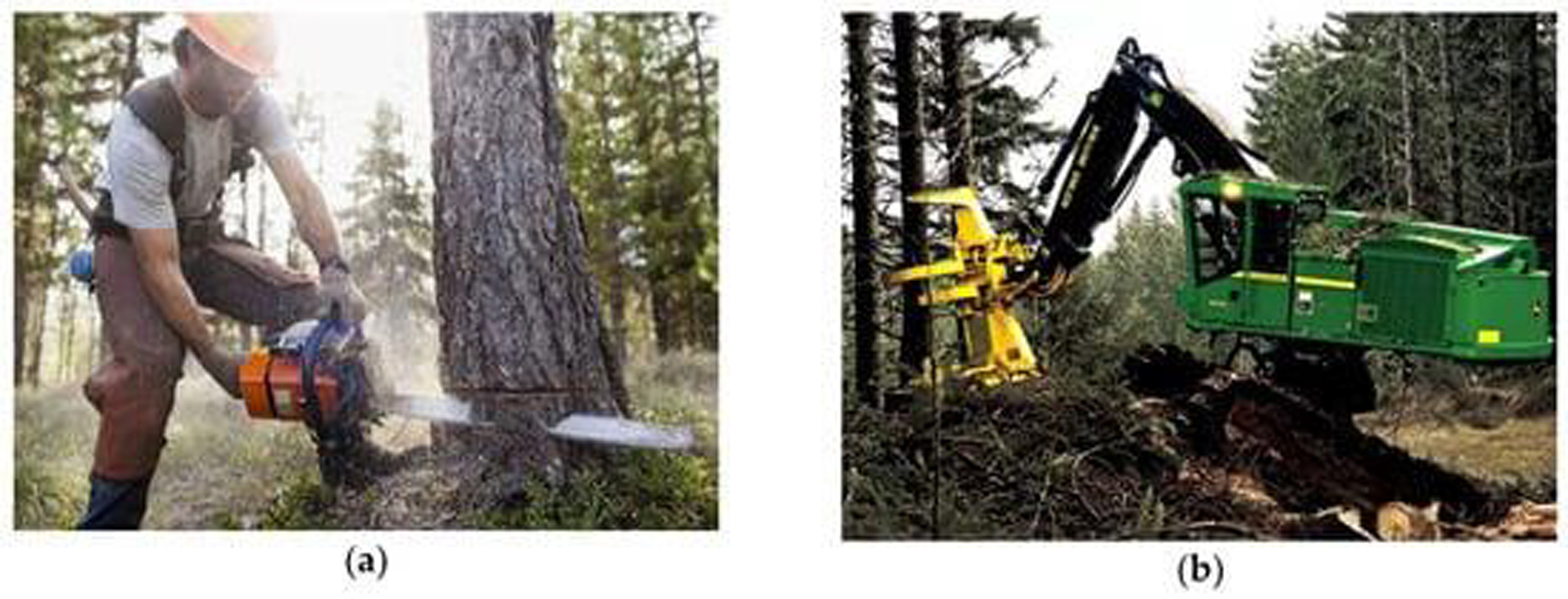
Description:Logging is one of the most dangerous occupations in the world. Logging tasks, whether they consist of operating a chainsaw, operating a mechanized harvester, or driving logging trucks, have an influence on the types of hazards and injuries among professional loggers. Using the Standardized Nordic Questionnaire, we investigated the 12-month period prevalence of musculoskeletal disorder symptoms (MSS) among professional loggers in the mountainous region of Montana. We also differentiated the prevalence of MSS based on logging system-type accounting for demographic and workplace covariates. Based on data from 743 professional loggers in Montana, loggers using conventional felling practices with chainsaws were more than twice as likely to report MSS (Odds Ratio (OR): 2.24 (1.07-4.69)) than those using mechanized logging equipment. In addition, increased MSS scores were associated with conventional harvesting systems, increased years of experience, and increased BMI. The active surveillance of MSS among professional loggers in Montana resulted in recommendations for safety interventions. The safety interventions included a greater mechanization of logging tasks and early career training on the heavy equipment used in logging operations.
-
Keywords:
-
Source:Safety (Basel). 5(2):23
-
Pubmed ID:37538191
-
Pubmed Central ID:PMC10398573
-
Document Type:
-
Funding:
-
Volume:5
-
Issue:2
-
Download URL:
-
File Type:
 [PDF - 525.60 KB]
 -
Collection(s):
-
Main Document Checksum:urn:sha256:e3174945b3d2189b8691114998cd9b45105d007a64cb83ac27509e413530b4e2
Supporting Files


File Language:
English
 Was this page helpful?
 Found an issue?


CDC STACKS serves as an archival repository of CDC-published products including
scientific findings, journal articles, guidelines, recommendations, or other public health information authored or
co-authored by CDC or funded partners.
As a repository, CDC STACKS retains documents in their original published format to ensure public access to scientific information.
As a repository, CDC STACKS retains documents in their original published format to ensure public access to scientific information.
You May Also Like
COLLECTION
CDC Public Access