



Transmission of SARS-CoV-2 in the workplace: Key findings from a rapid review of the literature
Supporting Files

-
1 19 2023 ; 1-19-
-
Available in CDC Stacks on January 19, 2024, 12:00 AM
File Language:
English
Details
-
Alternative Title:Aerosol Sci Technol
-
Personal Author:
-
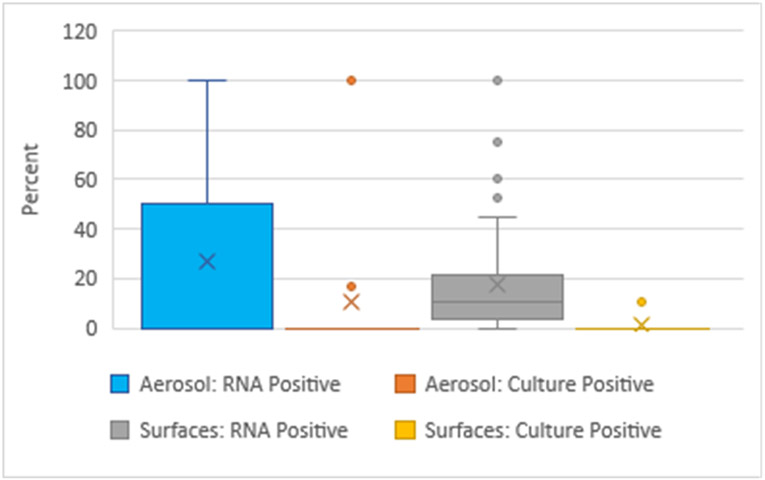
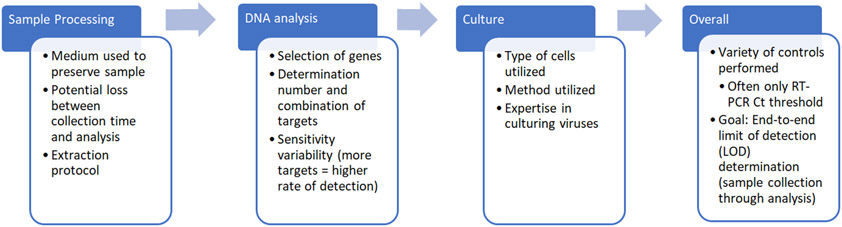
Description:At the beginning of the COVID-19 pandemic, the primary route of transmission of the SARS-CoV-2 virus was not well understood. Research gathered from other respiratory infectious diseases, including other coronaviruses, was the basis for the initial perceptions for transmission of SARS-CoV-2. To better understand transmission of SARS-CoV-2, a rapid literature review was conducted from literature generated March 19, 2020, through September 23, 2021. 18,616 unique results were identified from literature databases and screened. Of these, 279 key articles were reviewed and abstracted covering critical topics such as environmental/workplace monitoring, sampling and analytical method evaluation, and the ability of the virus to remain intact and infectious during sampling. This paper describes the results of the rapid literature review, which evaluated pathways that contribute to transmission as well as the strengths and limitations of current sampling approaches. This review also evaluates how different factors, including environmental conditions and surface characteristics, could impact the transmission potential of SARS-CoV-2. A continual rapid review in the midst of a pandemic proved particularly useful for quickly understanding the transmission parameters of the virus and enabled us to comprehensively assess literature, respond to workplace questions, and evaluate our understanding as the science evolved. Air and surface sampling with the accompanying analytical methods were not generally effective in recovering SARS-CoV-2 viable virus or RNA in many likely contaminated environments. In light of these findings, the development of validated sampling and analysis methods is critical for determining worker exposure to SARS-CoV-2 and to assess the impact of mitigation efforts.
-
Source:Aerosol Sci Technol. 57(3):233-254
-
Pubmed ID:37213938
-
Pubmed Central ID:PMC10193509
-
Document Type:
-
Funding:
-
Volume:57
-
Issue:3
-
Download URL:
-
File Type:
 [PDF - 725.60 KB]
 -
Collection(s):
-
Main Document Checksum:urn:sha-512:9fbd68a26a2048f4f3cba07faadf11a27025e3c812c4e20d92999c2e188e90959c7150a0dd1acb059ed89975a8816e8fdf7743ba06022de48aa532b43d27ced9
Supporting Files


File Language:
English
 Was this page helpful?
 Found an issue?




CDC STACKS serves as an archival repository of CDC-published products including
scientific findings, journal articles, guidelines, recommendations, or other public health information authored or
co-authored by CDC or funded partners.
As a repository, CDC STACKS retains documents in their original published format to ensure public access to scientific information.
As a repository, CDC STACKS retains documents in their original published format to ensure public access to scientific information.