


Characterization of aerosolized particles from nanoclay-enabled composites during manipulation processes†
Supporting Files

-
5 21 2020
-

File Language:
English
Details
-
Alternative Title:Environ Sci Nano
-
Personal Author:
-
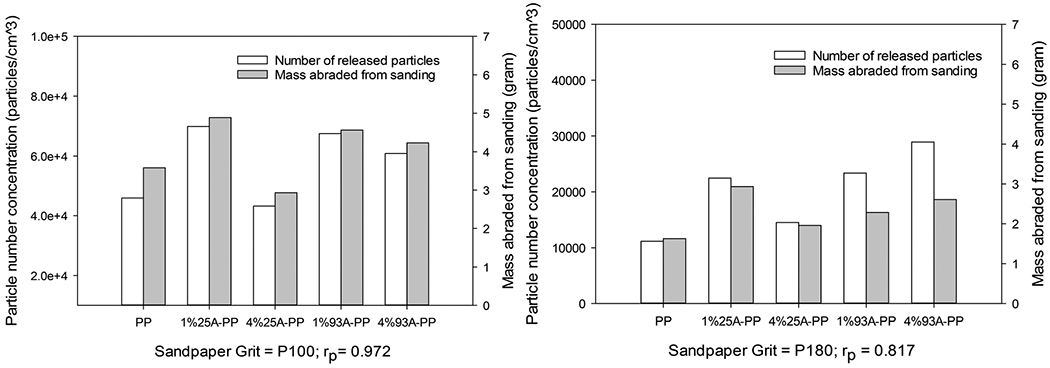
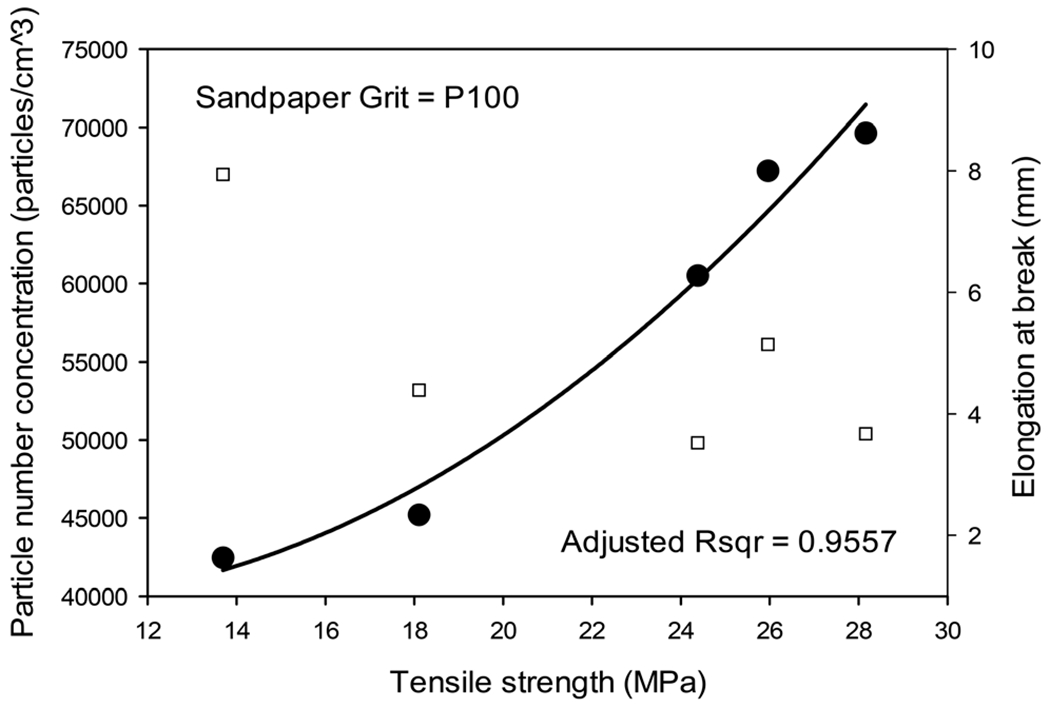
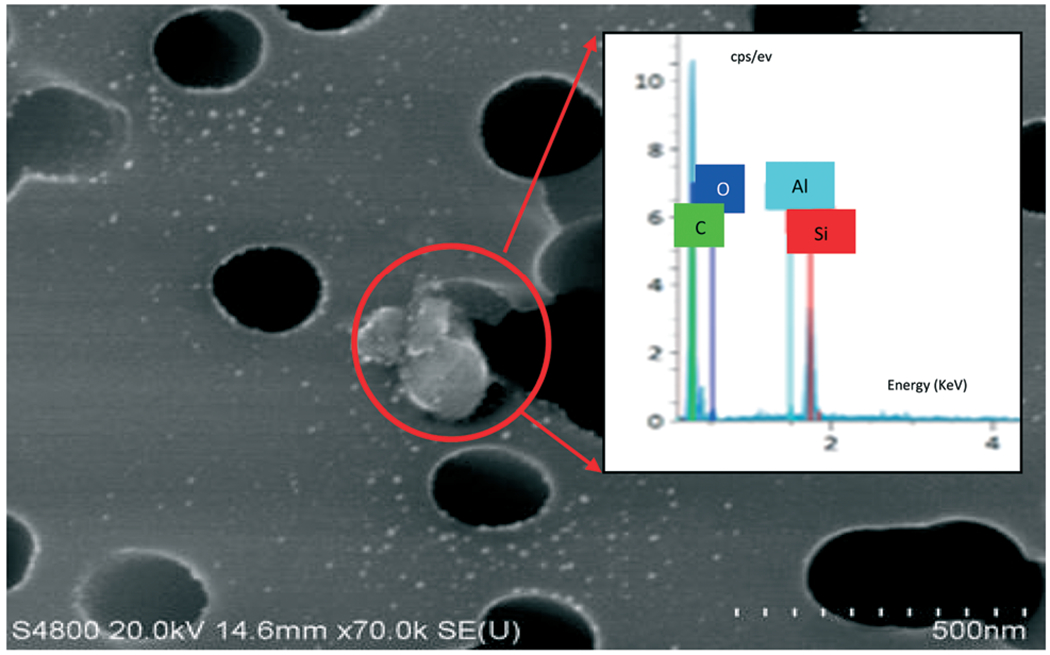
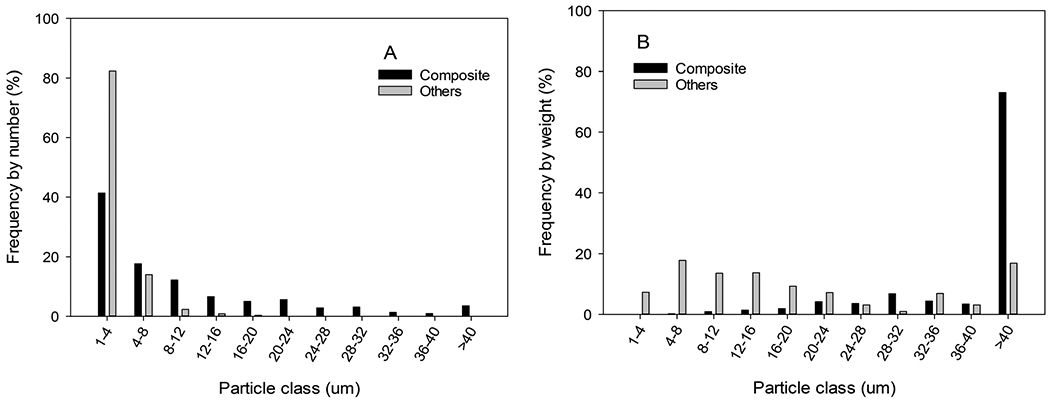
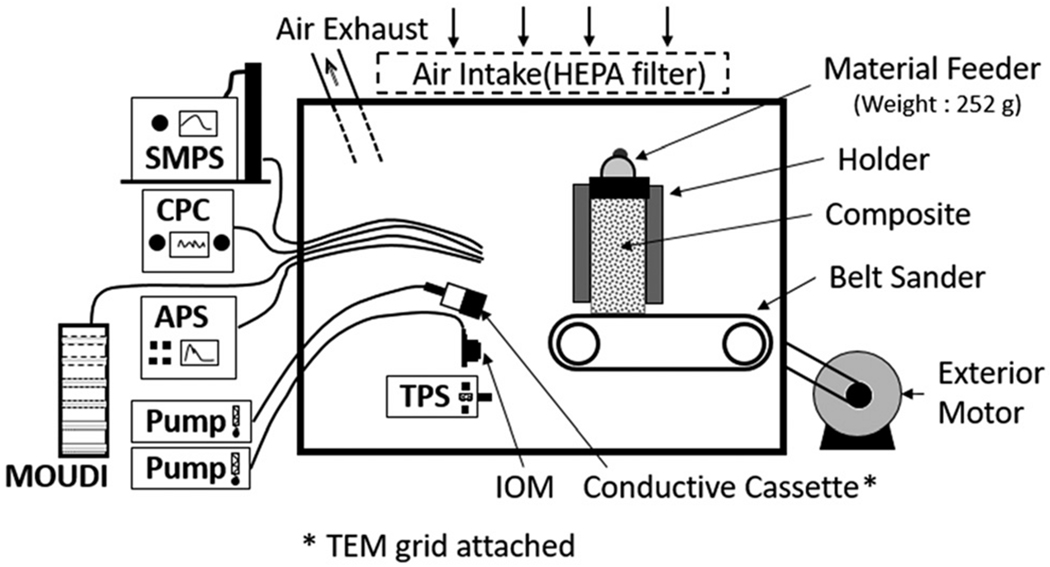
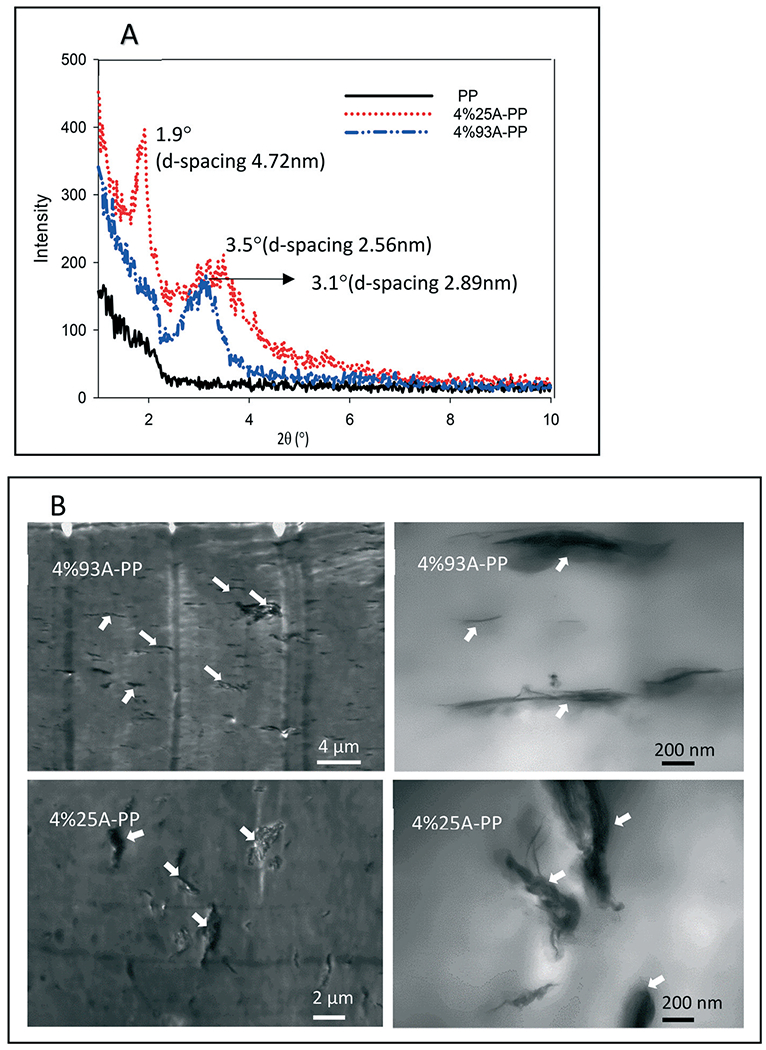
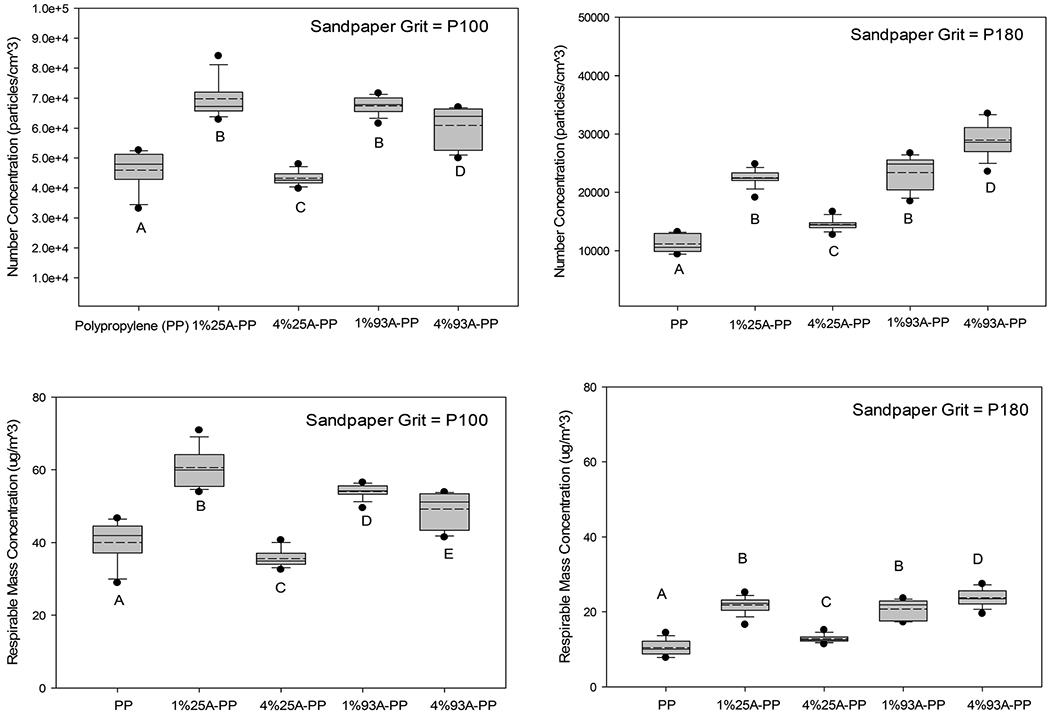
Description:Manufacturing, processing, use, and disposal of nanoclay-enabled composites potentially lead to the release of nanoclay particles from the polymer matrix in which they are embedded; however, exposures to airborne particles are poorly understood. The present study was conducted to characterize airborne particles released during sanding of nanoclay-enabled thermoplastic composites. Two types of nanoclay, Cloisite® 25A and Cloisite® 93A, were dispersed in polypropylene at 0%, 1%, and 4% loading by weight. Zirconium aluminum oxide (P100/P180 grits) and silicon carbide (P120/P320 grits) sandpapers were used to abrade composites in controlled experiments followed by real-time and offline particle analyses. Overall, sanding the virgin polypropylene with zirconium aluminum oxide sandpaper released more particles compared to silicon carbide sandpaper, with the later exhibiting similar or lower concentrations than that of polypropylene. Thus, a further investigation was performed for the samples collected using the zirconium aluminum oxide sandpaper. The 1% 25A, 1% 93A, and 4% 93A composites generated substantially higher particle number concentrations (1.3-2.6 times) and respirable mass concentrations (1.2-2.3 times) relative to the virgin polypropylene, while the 4% 25A composite produced comparable results, regardless of sandpaper type. It was observed that the majority of the inhalable particles were originated from composite materials with a significant number of protrusions of nanoclay (18-59%). These findings indicate that the percent loading and dispersion of nanoclay in the polypropylene modified the mechanical properties and thus, along with sandpaper type, affected the number of particles released during sanding, implicating the cause of potential adverse health effects.
-
Subjects:
-
Source:Environ Sci Nano. 7:1539-1553
-
Pubmed ID:37205161
-
Pubmed Central ID:PMC10190203
-
Document Type:
-
Funding:
-
Volume:7
-
Collection(s):
-
Main Document Checksum:urn:sha256:5b250b82692aa21dd5f624872da6d518df7fbc4281e8f97b151f8e1181263b2e
-
Download URL:
-
File Type:
 [PDF
- 1.16 MB
]
[PDF
- 1.16 MB
]

Supporting Files


File Language:
English
ON THIS PAGE





CDC STACKS serves as an archival repository of CDC-published products including
scientific findings,
journal articles, guidelines, recommendations, or other public health information authored or
co-authored by CDC or funded partners.
As a repository, CDC STACKS retains documents in their original published format to ensure public access to scientific information.
As a repository, CDC STACKS retains documents in their original published format to ensure public access to scientific information.
You May Also Like
COLLECTION
CDC Public Access