



Effect of Epithelial-Specific MyD88 Signaling Pathway on Airway Inflammatory Response to Organic Dust Exposure
Supporting Files

-
12 2023 ; 12-2023
-
Available in CDC Stacks on December 01, 2024, 12:00 AM
File Language:
English
Details
-
Alternative Title:J Immunotoxicol
-
Personal Author:
-
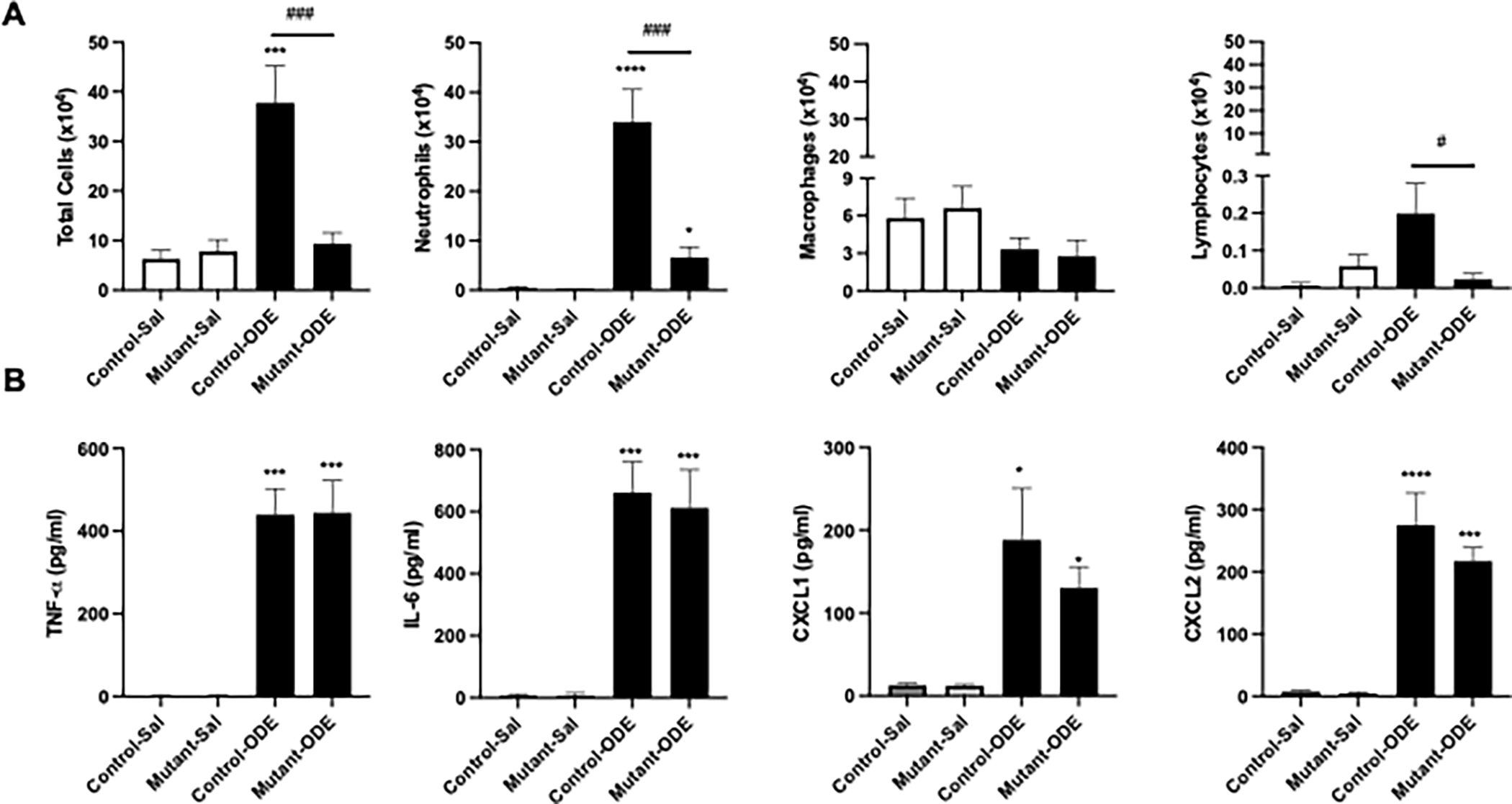
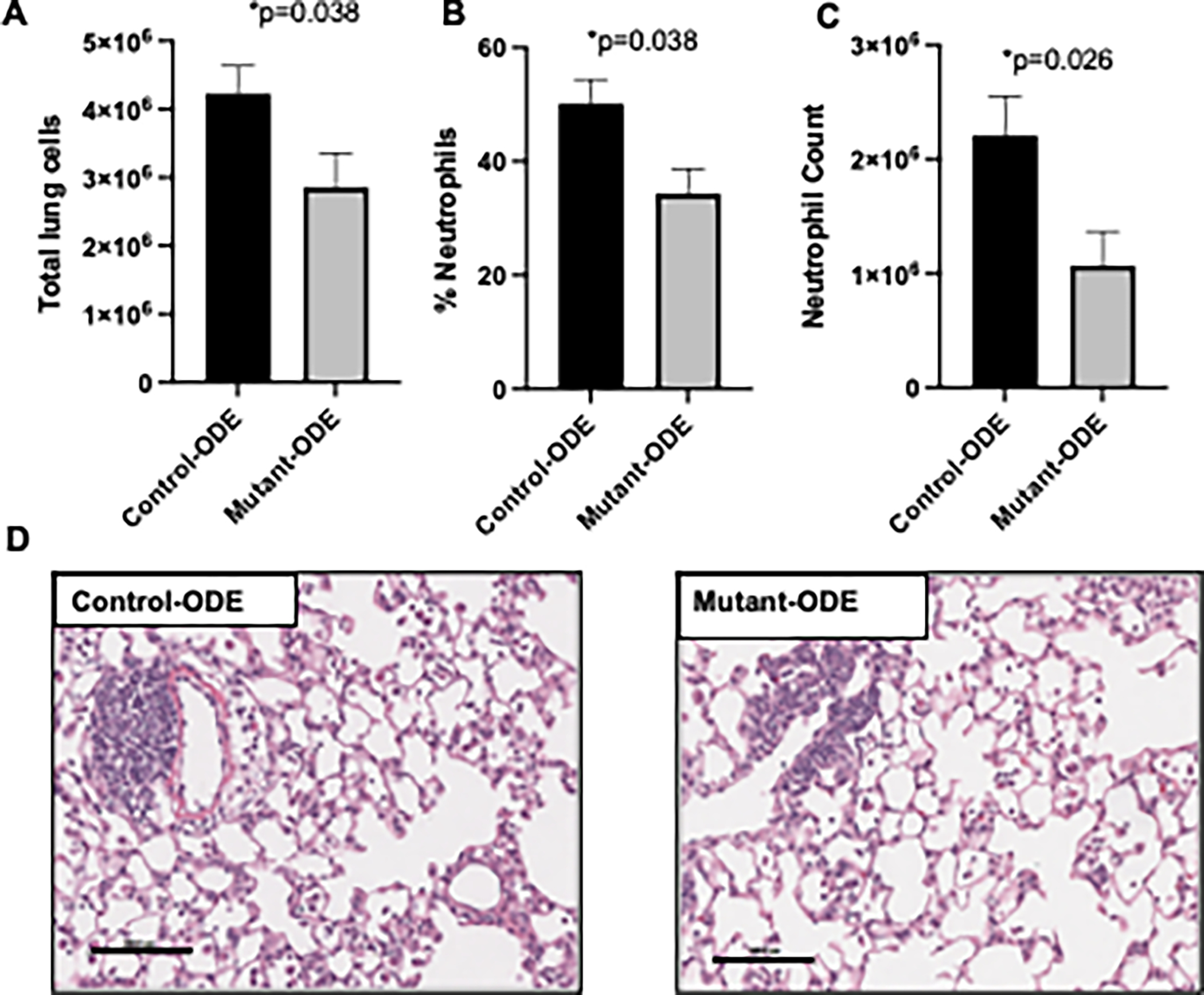
Description:The Toll-like receptor (TLR) adaptor protein MyD88 is integral to airway inflammatory response to microbial-enriched organic dust extract (ODE) exposures. ODE-induced airway neutrophil influx and release of pro-inflammatory cytokines was essentially abrogated in global MyD88-deficient mice, yet these mice demonstrate an increase in airway epithelial cell mucin expression. To further elucidate the role of MyD88-dependent responses specific to lung airway epithelial cells in response to ODE |, the surfactant protein C protein (SPC) Cre| embryologic expressing airway epithelial cells floxed for MyD88 to disrupt MyD88 signaling were utilized. The inducible club cell secretory protein (CCSP) Cre|, MyD88 floxed, were also developed. Using an established protocol, mice were intranasally instilled with ODE or saline once or daily up to 3 weeks. Mice with MyD88-deficient SPC| lung epithelial cells exhibited decreased neutrophil influx following ODE exposure once and repetitively for 1 week without modulation of classic pro-inflammatory mediators including tumor necrosis factor (TNF)-α, interleukin (IL)-6, and neutrophil chemoattractants. This protective response was lost after 3 weeks of repetitive exposure. ODE-induced Muc5ac mucin expression at 1 week was also reduced in MyD88-deficient SPC| cells. Acute ODE-induced IL-33 was reduced in MyD88-deficient SPC| cells whereas serum IgE levels were increased at one week. In contrast, mice with inducible MyD88-deficient CCSP| airway epithelial cells demonstrated no significant difference in experimental indices following ODE exposure. Collectively, these findings suggest that MyD88-dependent signaling targeted to all airway epithelial cells plays an important role in mediating neutrophil influx and mucin production in response to acute organic dust exposures.
-
Subjects:
-
Keywords:
-
Source:J Immunotoxicol. 20(1):2148782
-
Pubmed ID:36538286
-
Pubmed Central ID:PMC9912912
-
Document Type:
-
Funding:R01 OH012045/OH/NIOSH CDC HHSUnited States/ ; IK6 BX005962/BX/BLRD VAUnited States/ ; P30 CA036727/CA/NCI NIH HHSUnited States/ ; R35 HL144805/HL/NHLBI NIH HHSUnited States/ ; R01 HL157269/HL/NHLBI NIH HHSUnited States/ ; R01 ES019325/ES/NIEHS NIH HHSUnited States/ ; U54 OH010162/OH/NIOSH CDC HHSUnited States/
-
Volume:20
-
Issue:1
-
Download URL:
-
File Type:
 [PDF - 1.24 MB]
 -
Collection(s):
-
Main Document Checksum:urn:sha-512:e6329ad11278331bebd97f255dd53ef7c53d061c03724969344e2e66d49f77f751ea19866bc31bd29cce790d6ca526d1d515659128e5114dde64c0173f63a46d
Supporting Files


File Language:
English
 Was this page helpful?
 Found an issue?






CDC STACKS serves as an archival repository of CDC-published products including
scientific findings, journal articles, guidelines, recommendations, or other public health information authored or
co-authored by CDC or funded partners.
As a repository, CDC STACKS retains documents in their original published format to ensure public access to scientific information.
As a repository, CDC STACKS retains documents in their original published format to ensure public access to scientific information.
You May Also Like
COLLECTION
CDC Public Access