



Retrotransposon activation during Drosophila metamorphosis conditions adult antiviral responses
Supporting Files

-
-
By Show All

-
-
Available in CDC Stacks on
File Language:
English
Details
-
Alternative Title:Nat Genet
-
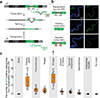
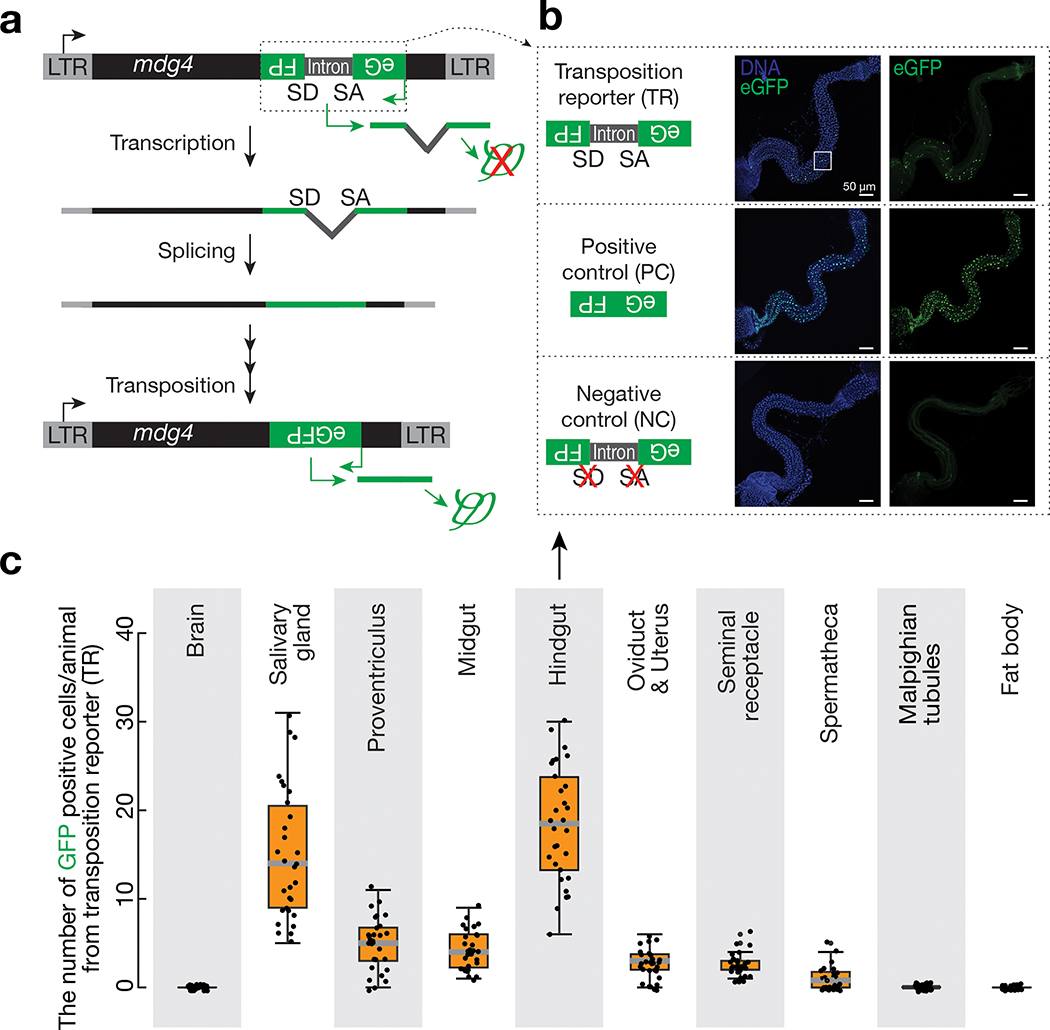
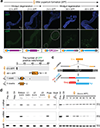
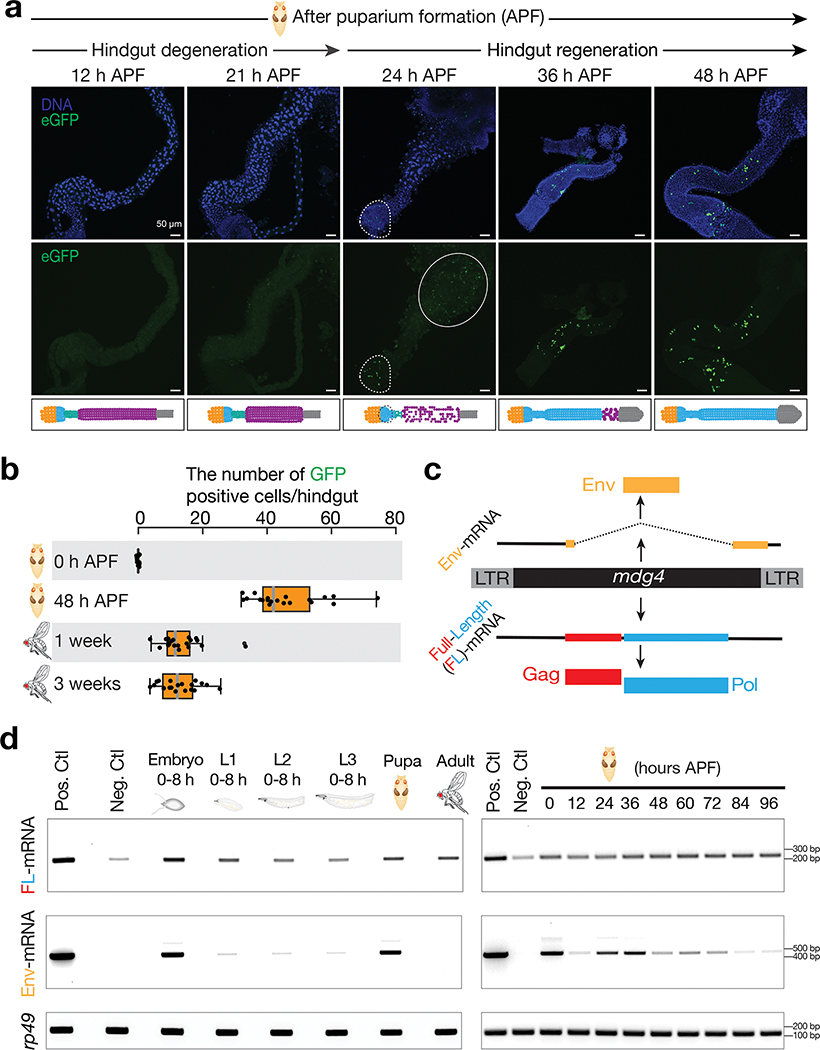
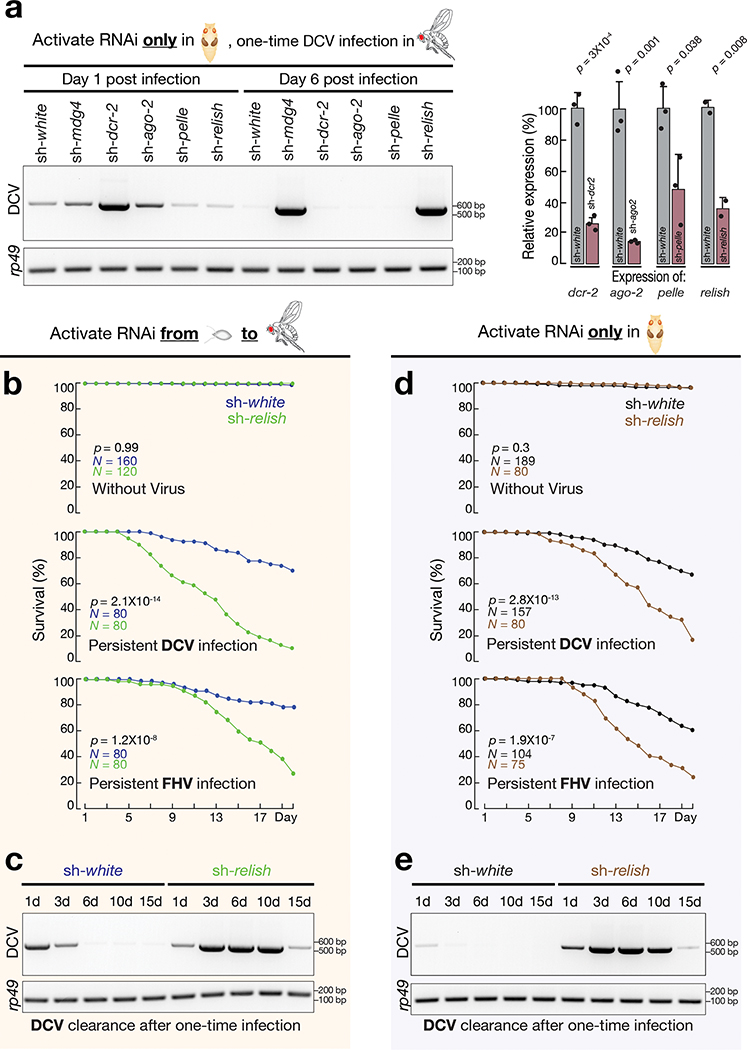
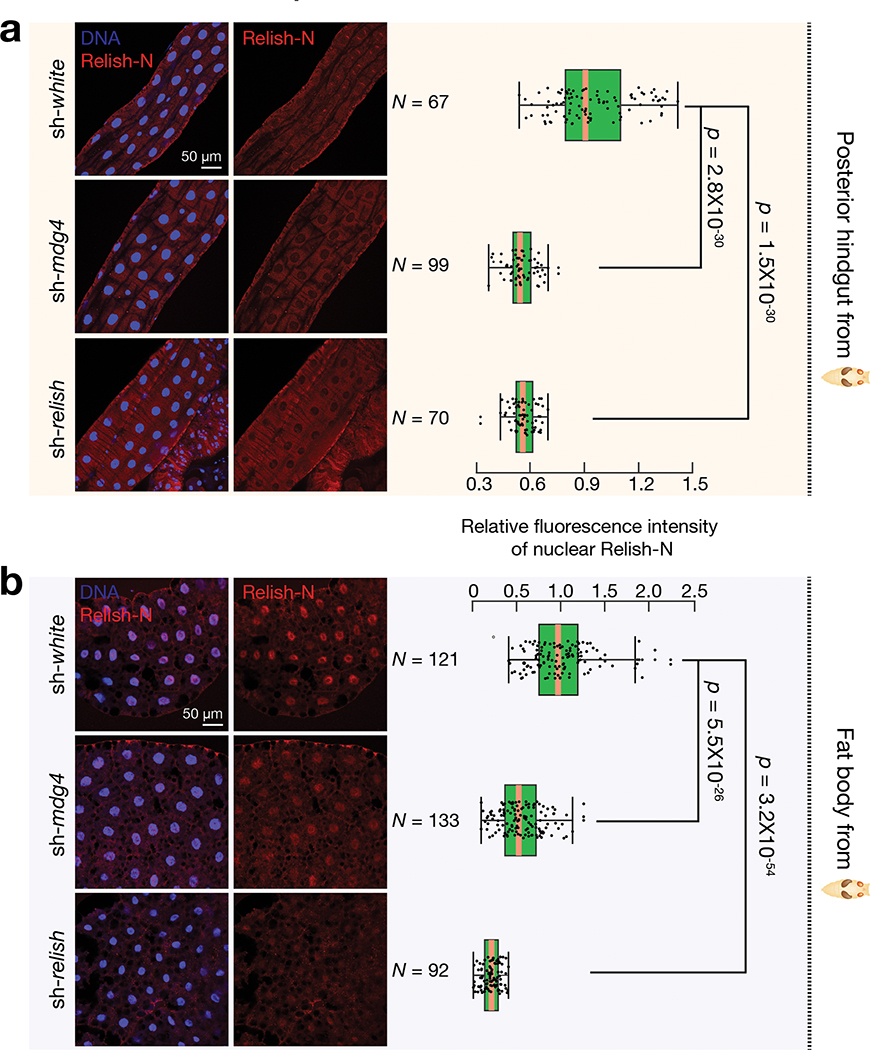
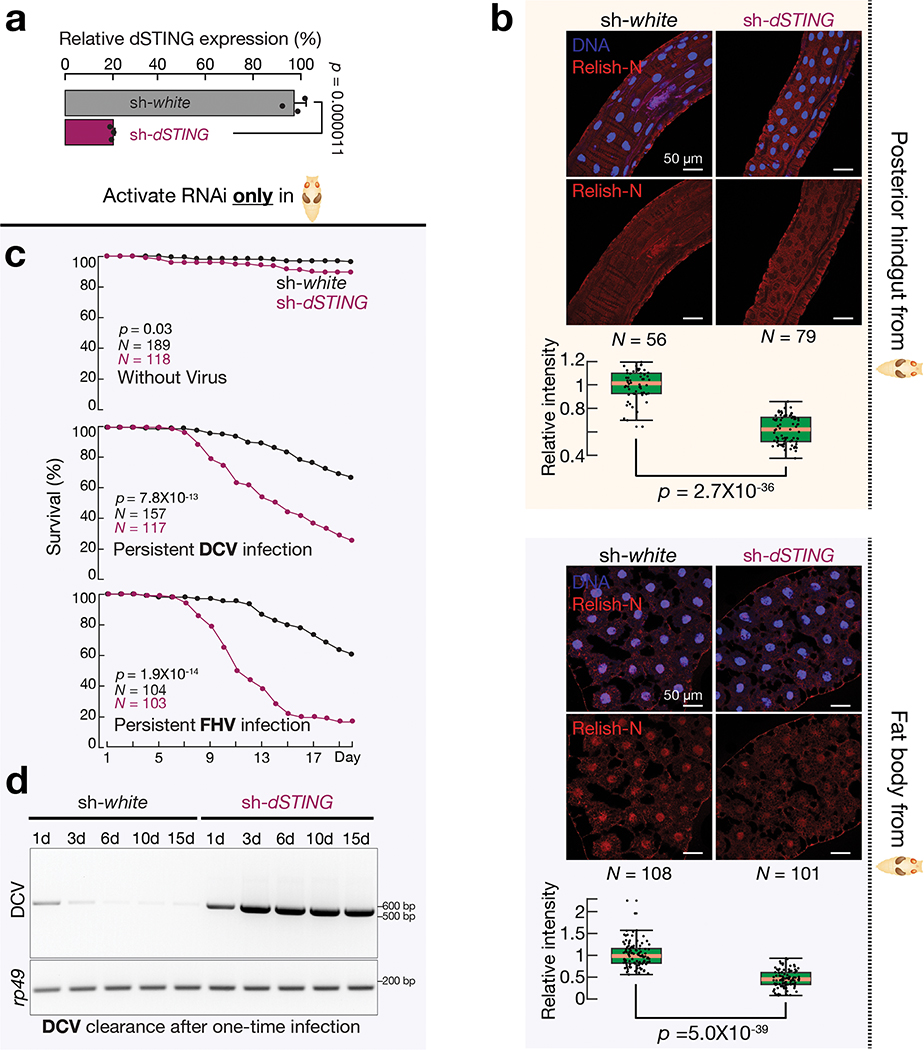
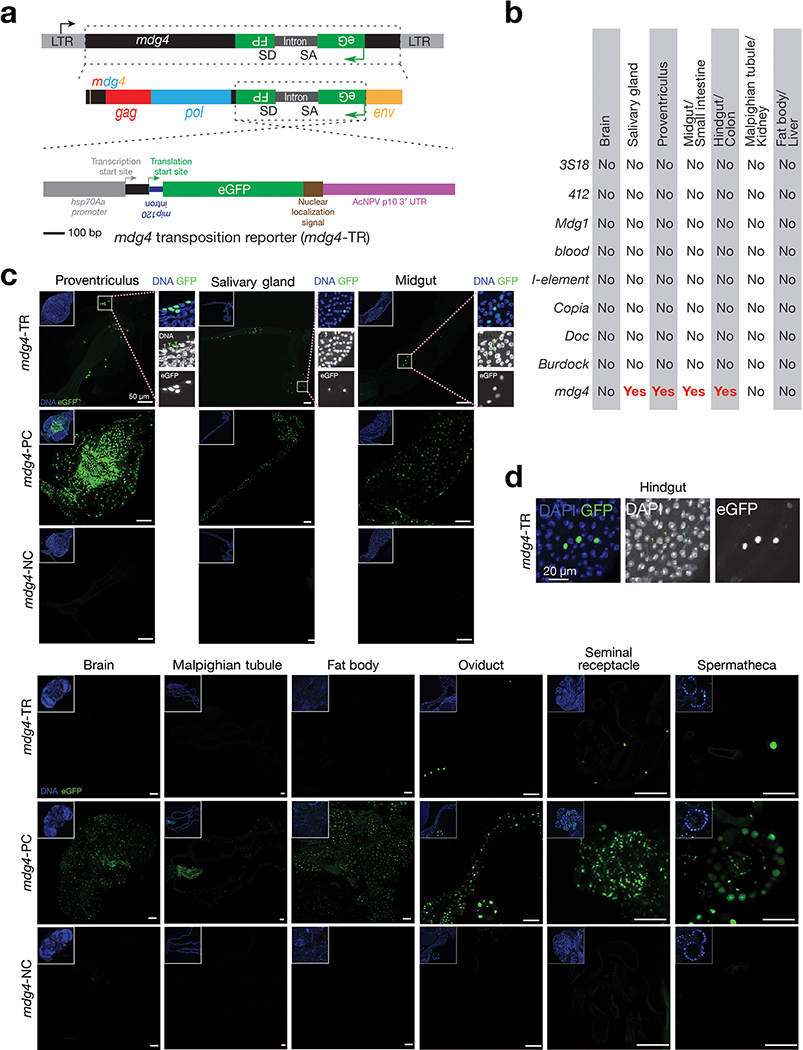
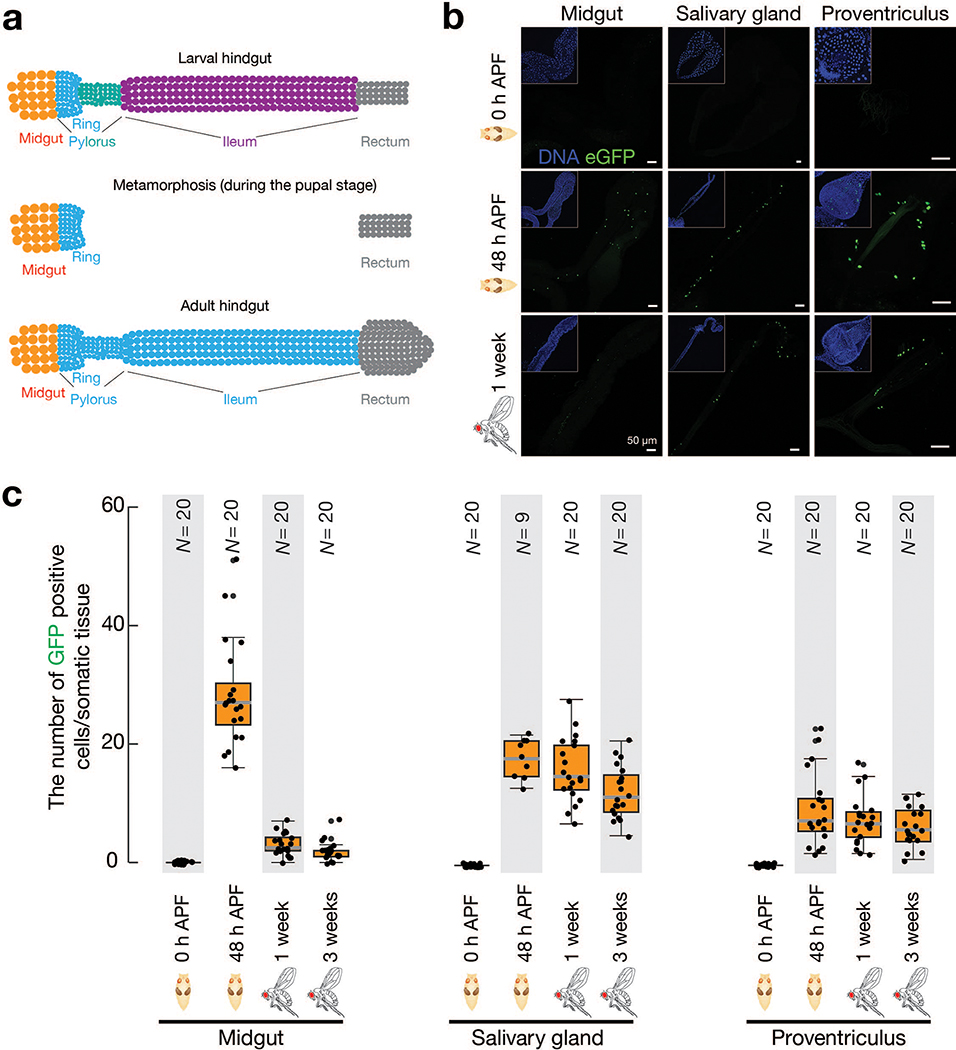
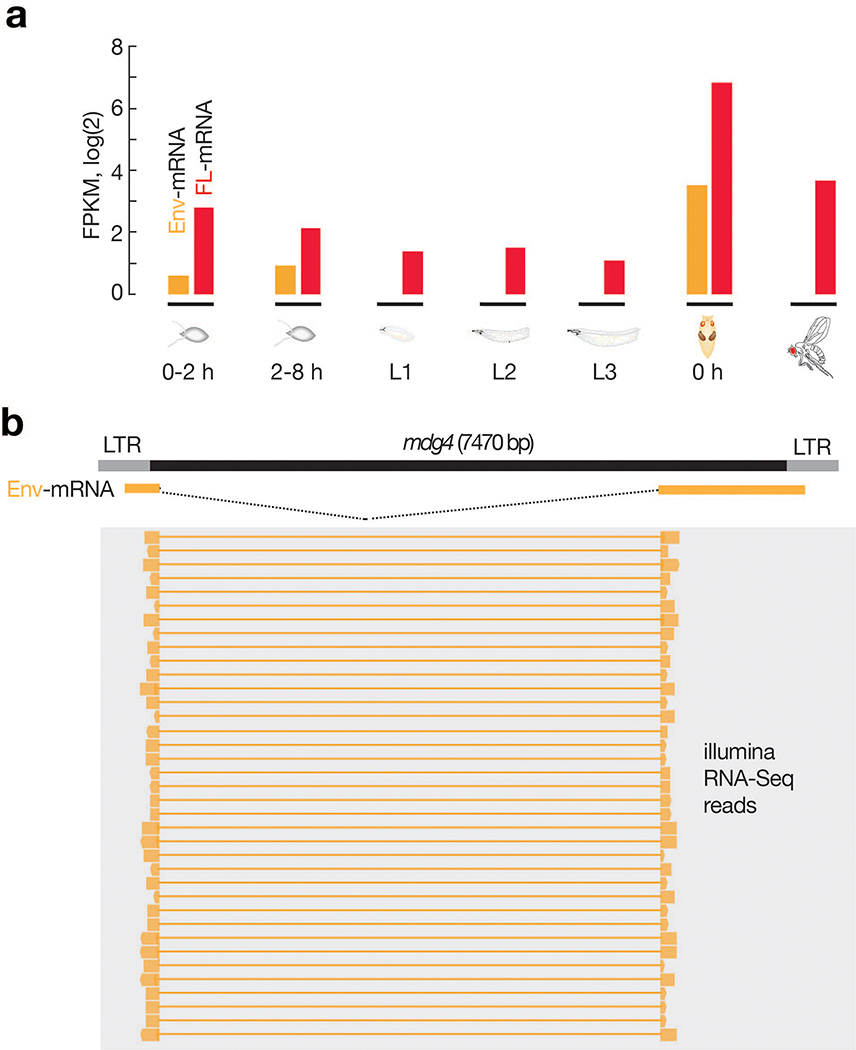
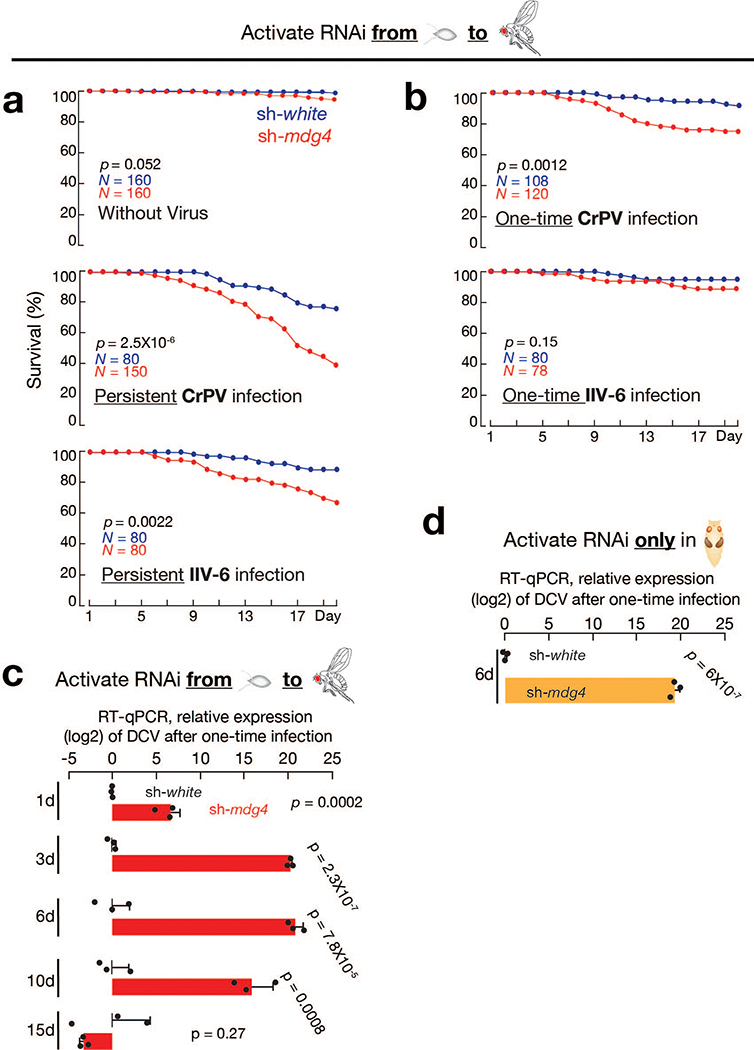
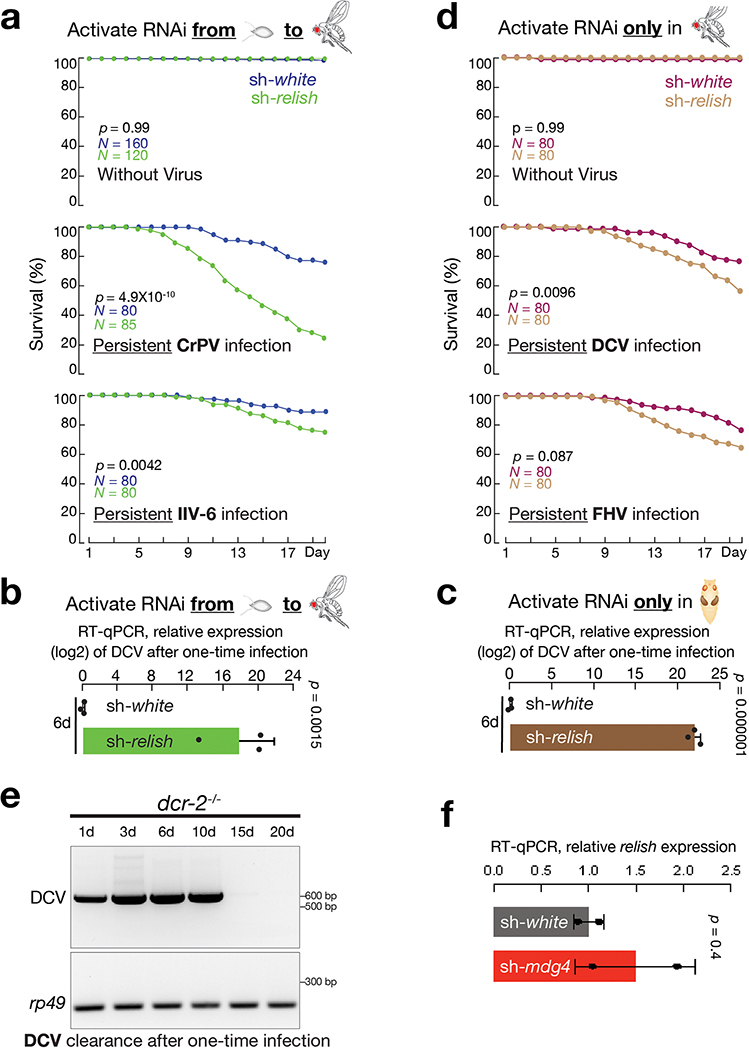
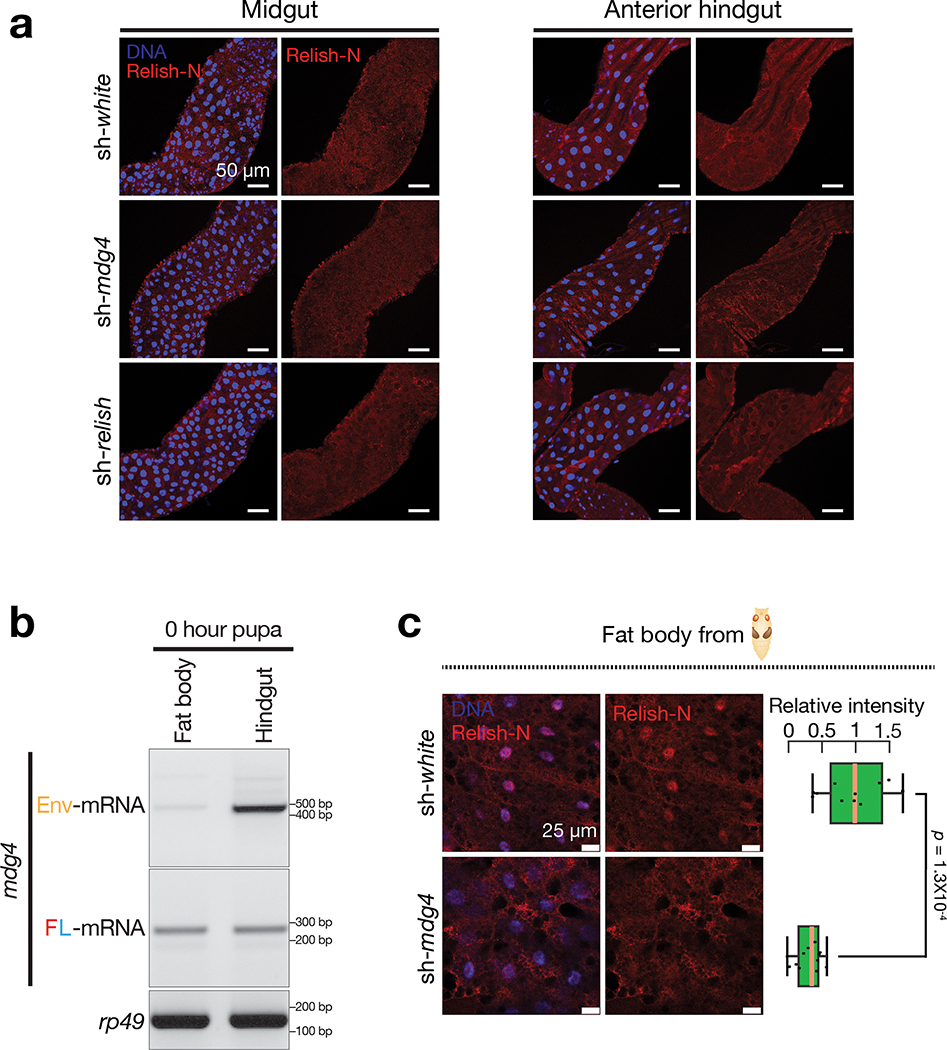
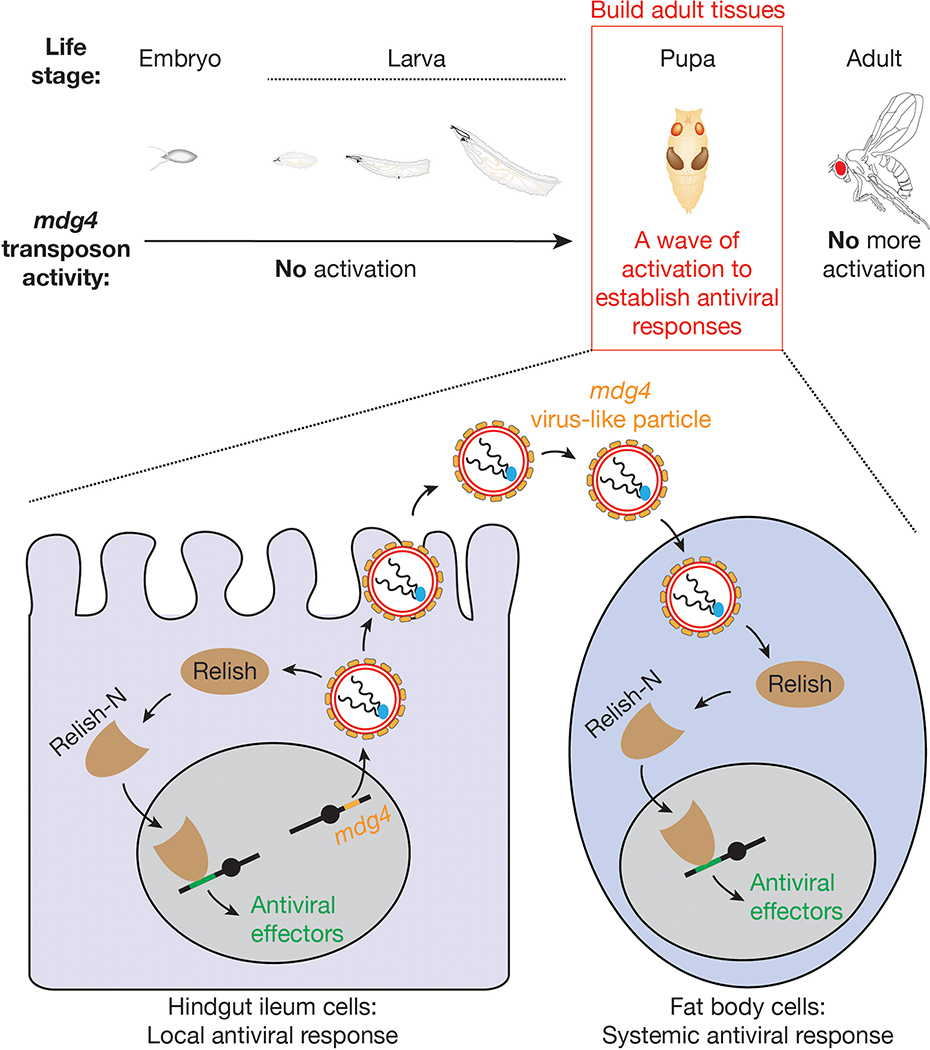
Description:Retrotransposons are one type of mobile genetic element that abundantly reside in the genomes of nearly all animals. Their uncontrolled activation is linked to sterility, cancer and other pathologies, thereby being largely considered detrimental. Here we report that, within a specific time window of development, retrotransposon activation can license the host's immune system for future antiviral responses. We found that the mdg4 (also known as Gypsy) retrotransposon selectively becomes active during metamorphosis at the Drosophila pupal stage. At this stage, mdg4 activation educates the host's innate immune system by inducing the systemic antiviral function of the nuclear factor-κB protein Relish in a dSTING-dependent manner. Consequently, adult flies with mdg4, Relish or dSTING silenced at the pupal stage are unable to clear exogenous viruses and succumb to viral infection. Altogether, our data reveal that hosts can establish a protective antiviral response that endows a long-term benefit in pathogen warfare due to the developmental activation of mobile genetic elements.
-
Subjects:
-
Pubmed ID:36396707
-
Pubmed Central ID:PMC9795486
-
Document Type:
-
Funding:
-
Volume:54
-
Issue:12
-
Download URL:
-
File Type:
 [PDF - 7.30 MB]
-
Collection(s):
-
Main Document Checksum:urn:sha256:6531e43006ee171df5b57d8f22926751420ae6b5f2ae13d01dfb1302a998d011
Supporting Files


File Language:
English
 Was this page helpful?
 Found an issue?












CDC STACKS serves as an archival repository of CDC-published products including
scientific findings, journal articles, guidelines, recommendations, or other public health information authored or
co-authored by CDC or funded partners.
As a repository, CDC STACKS retains documents in their original published format to ensure public access to scientific information.
You May Also Like
COLLECTION
CDC Public Access