


Identifying Medicare Beneficiaries with Delirium
Supporting Files

-
11 01 2022
-
File Language:
English
Details
-
Alternative Title:Med Care
-
Personal Author:
-
Description:Background:
Each year, thousands of older adults develop delirium, a serious, preventable condition. At present, there is no well-validated method to identify patients with delirium when using Medicare claims data or other large datasets. We developed and assessed the performance of classification algorithms based on longitudinal Medicare administrative data that included ICD-10 diagnostic codes.
Methods:
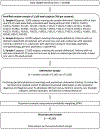
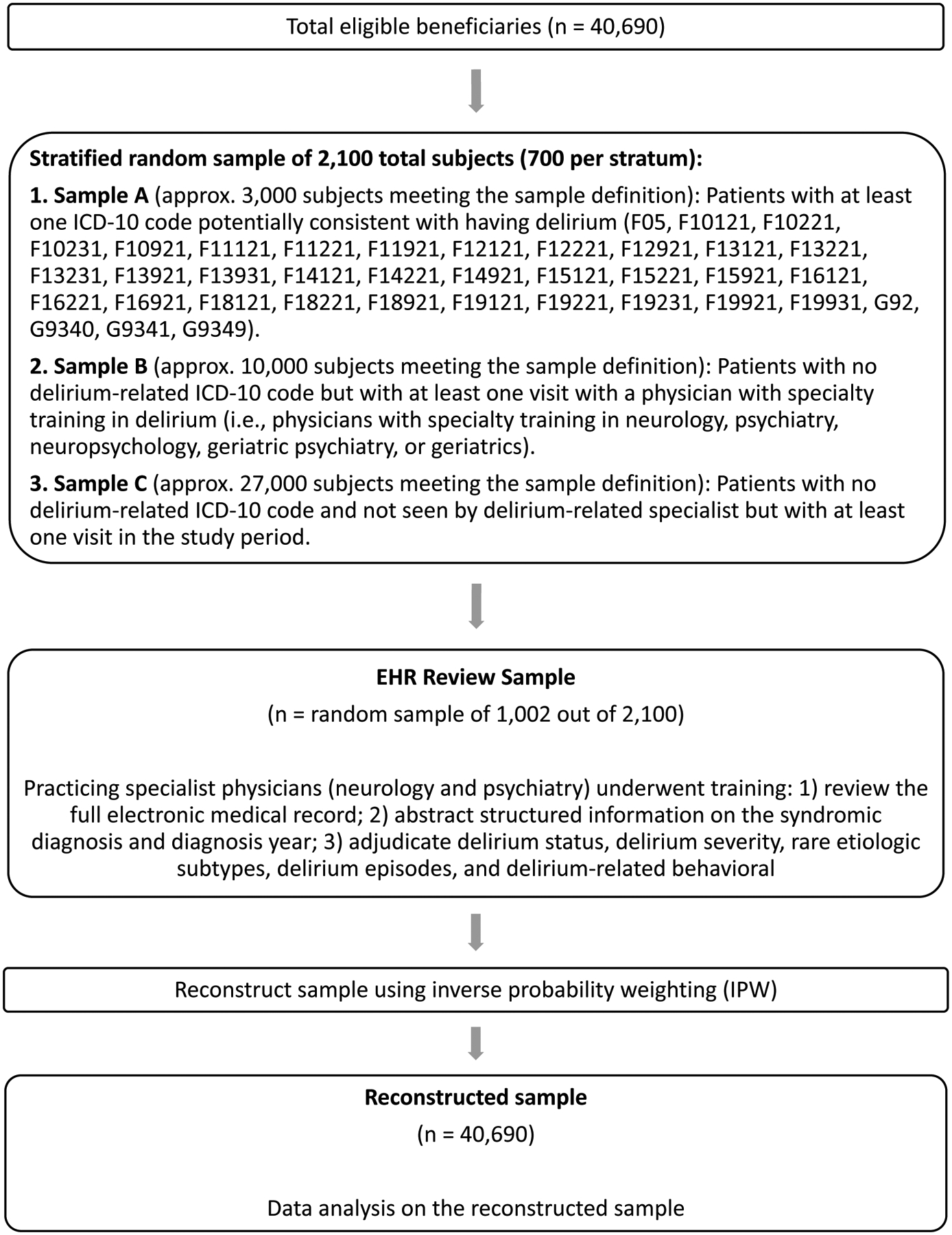
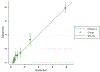
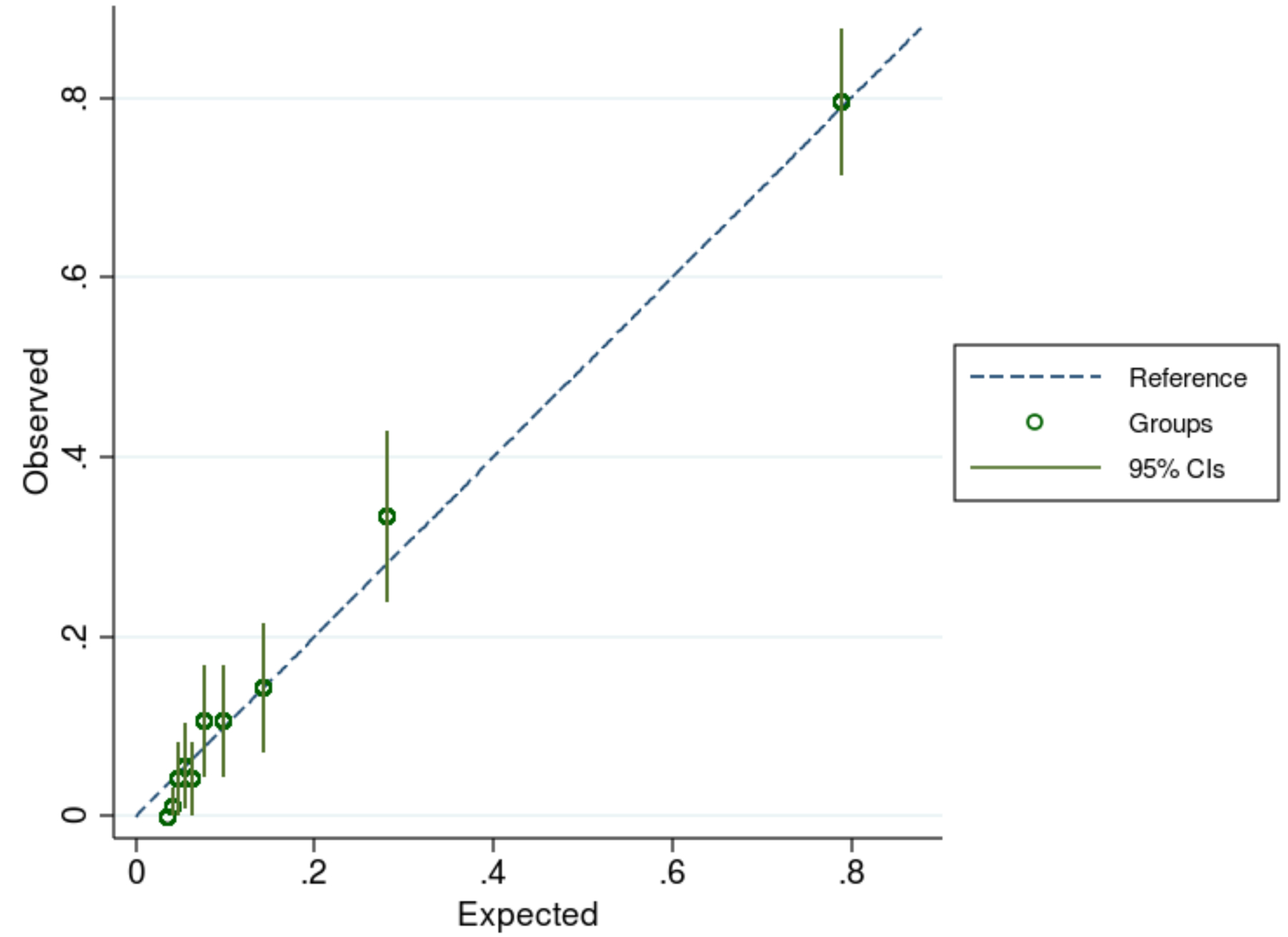
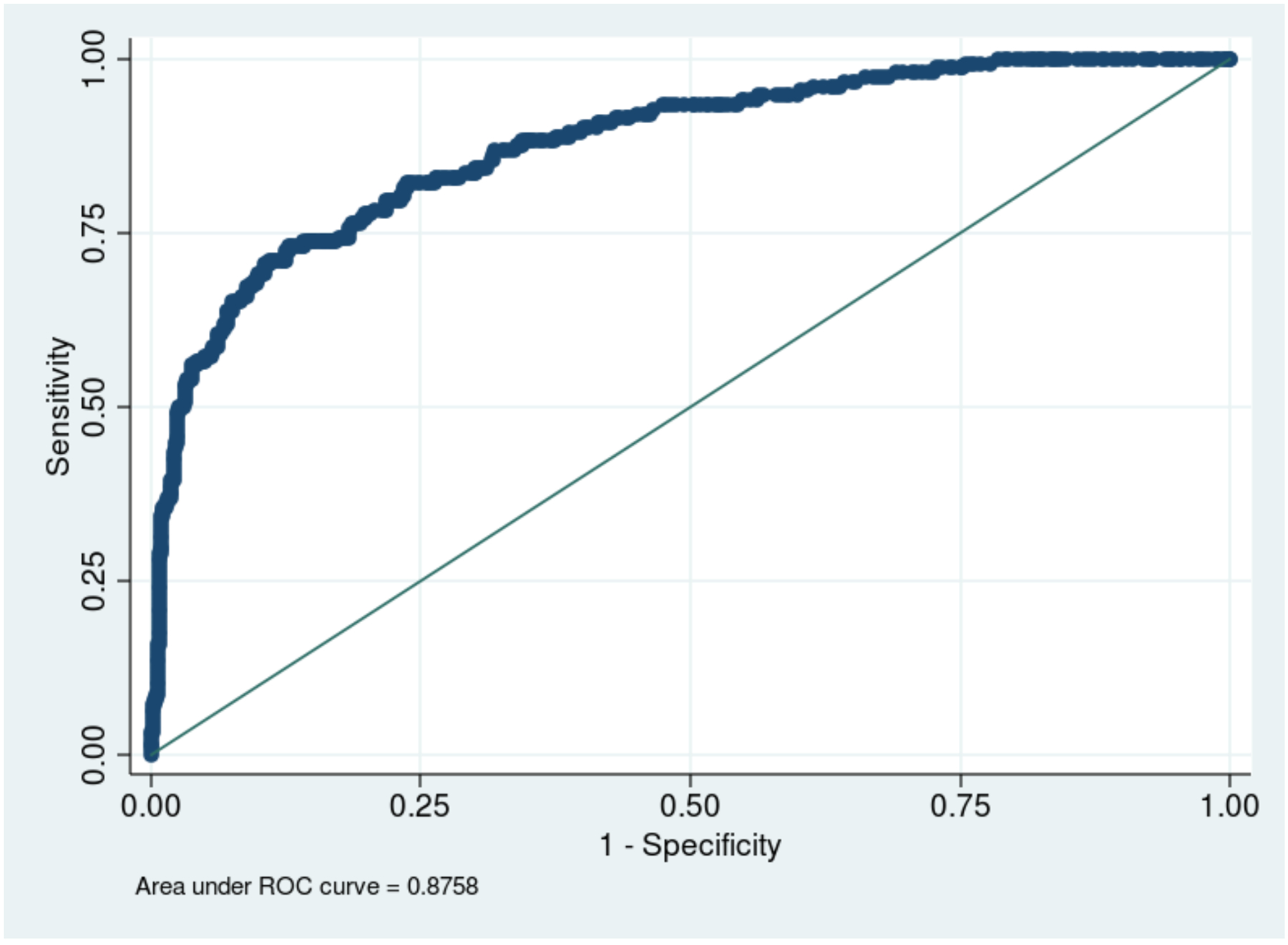
Using a linked EHR-Medicare claims dataset, two neurologists and two psychiatrists performed a standardized review of EHR records between 2016–2018 for a stratified random sample of 1,002 patients among 40,690 eligible subjects. Reviewers adjudicated delirium status (reference standard) during this three-year window using a structured protocol. We calculated the probability that each patient had delirium as a function of classification algorithms based on longitudinal Medicare claims data. We compared the performance of various algorithms against the reference standard, computing calibration-in-the-large (CITL), calibration slope, and the area-under-receiver-operating-curve (AUROC) using 10-fold cross-validation (CV).
Results:
Beneficiaries had a mean age of 75 years, were predominately female (59%), and non-Hispanic Whites (93%); a review of the EHR indicated that 6% of patients had delirium during the three years. While several classification algorithms performed well, a relatively simple model containing counts of delirium-related diagnoses combined with patient age, dementia status, and receipt of antipsychotic medications had the best overall performance (CV-CITL <0.001, CV-slope 0.94, and CV-AUC [0.88 95% CI: 0.84–0.91]).
Conclusions:
A delirium classification model using Medicare administrative data and ICD-10 diagnosis codes can identify beneficiaries with delirium in large datasets.
-
Subjects:
-
Source:Med Care. 60(11):852-859
-
Pubmed ID:36043702
-
Pubmed Central ID:PMC9588515
-
Document Type:
-
Funding:K08 AG053380/AG/NIA NIH HHSUnited States/ ; R01 AG062282/AG/NIA NIH HHSUnited States/ ; R01 AG073410/AG/NIA NIH HHSUnited States/ ; U48 DP006377/DP/NCCDPHP CDC HHSUnited States/ ; P01 AG032952/AG/NIA NIH HHSUnited States/ ; K23 NS114201/NS/NINDS NIH HHSUnited States/ ; T15 LM007092/LM/NLM NIH HHSUnited States/ ; U01 AG076478/AG/NIA NIH HHSUnited States/ ; P30 AG062421/AG/NIA NIH HHSUnited States/ ; P01 AG036694/AG/NIA NIH HHSUnited States/ ; U01 AG032984/AG/NIA NIH HHSUnited States/ ; U24 NS100591/NS/NINDS NIH HHSUnited States/ ; R01 AG058063/AG/NIA NIH HHSUnited States/ ; R01 AG063975/AG/NIA NIH HHSUnited States/ ; R01 AG066793/AG/NIA NIH HHSUnited States/ ; T32 MH017119/MH/NIMH NIH HHSUnited States/ ; U01 AG068221/AG/NIA NIH HHSUnited States/ ; R01 AG048351/AG/NIA NIH HHSUnited States/ ; TL1 TR001864/TR/NCATS NIH HHSUnited States/
-
Volume:60
-
Issue:11
-
Collection(s):
-
Main Document Checksum:urn:sha256:4c64921799d9dbcf6369835ca0e42350c1a7817aa3765d8e084083ca8a4c30e4
-
Download URL:
-
File Type:
 [PDF
- 815.06 KB
]
[PDF
- 815.06 KB
]
Supporting Files


File Language:
English
ON THIS PAGE

CDC STACKS serves as an archival repository of CDC-published products including
scientific findings,
journal articles, guidelines, recommendations, or other public health information authored or
co-authored by CDC or funded partners.
As a repository, CDC STACKS retains documents in their original published format to ensure public access to scientific information.
As a repository, CDC STACKS retains documents in their original published format to ensure public access to scientific information.
You May Also Like
COLLECTION
CDC Public Access