



Monitoring Worker Exposure to Respirable Crystalline Silica: Application for Data-driven Predictive Modeling for End-of-Shift Exposure Assessment
Supporting Files

-
10 11 2022 ; 10-11-
-
Available in CDC Stacks on 2022-10-14T00:00:00Z

File Language:
English
Details
-
Alternative Title:Ann Work Expo Health
-
Personal Author:
-
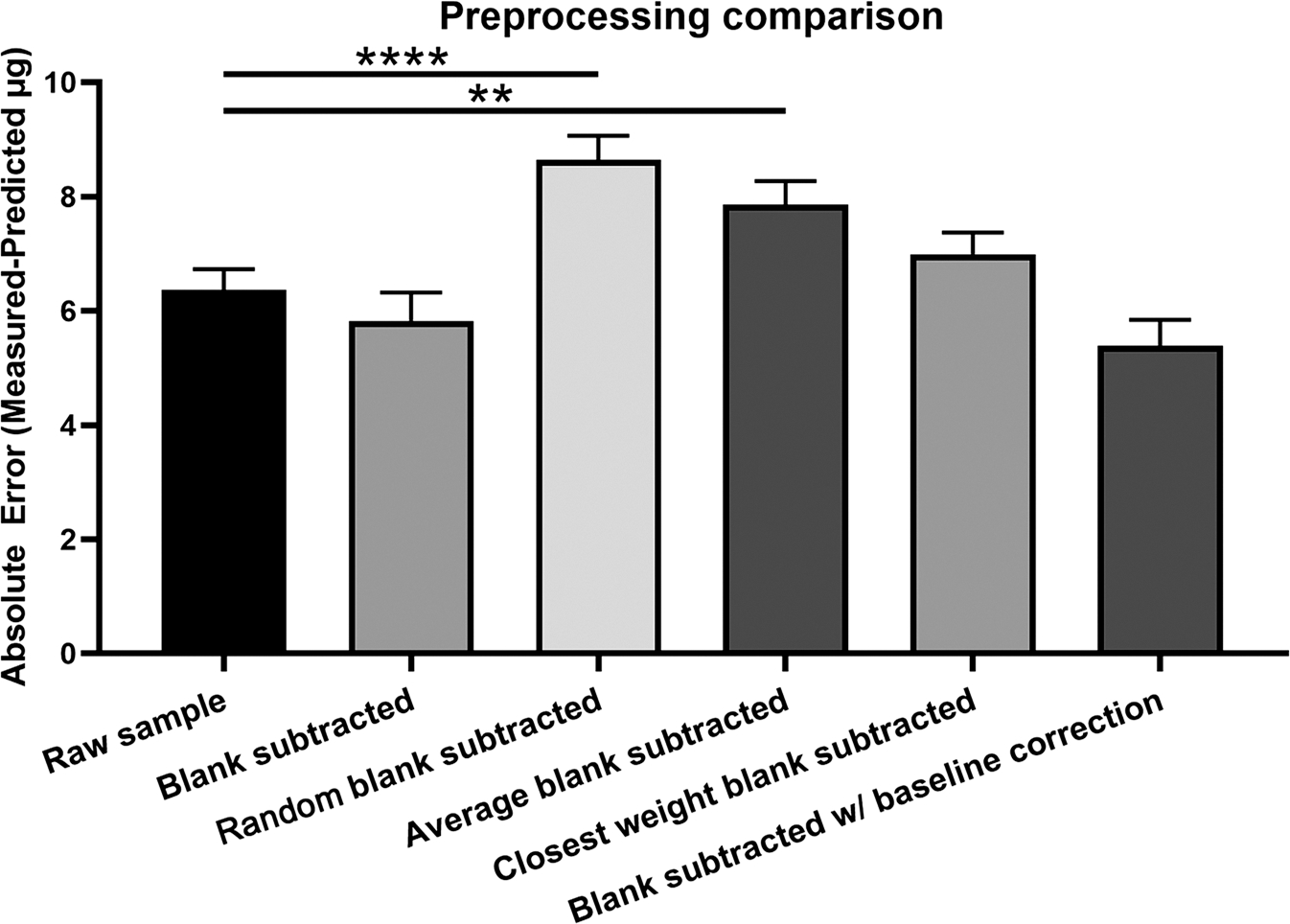
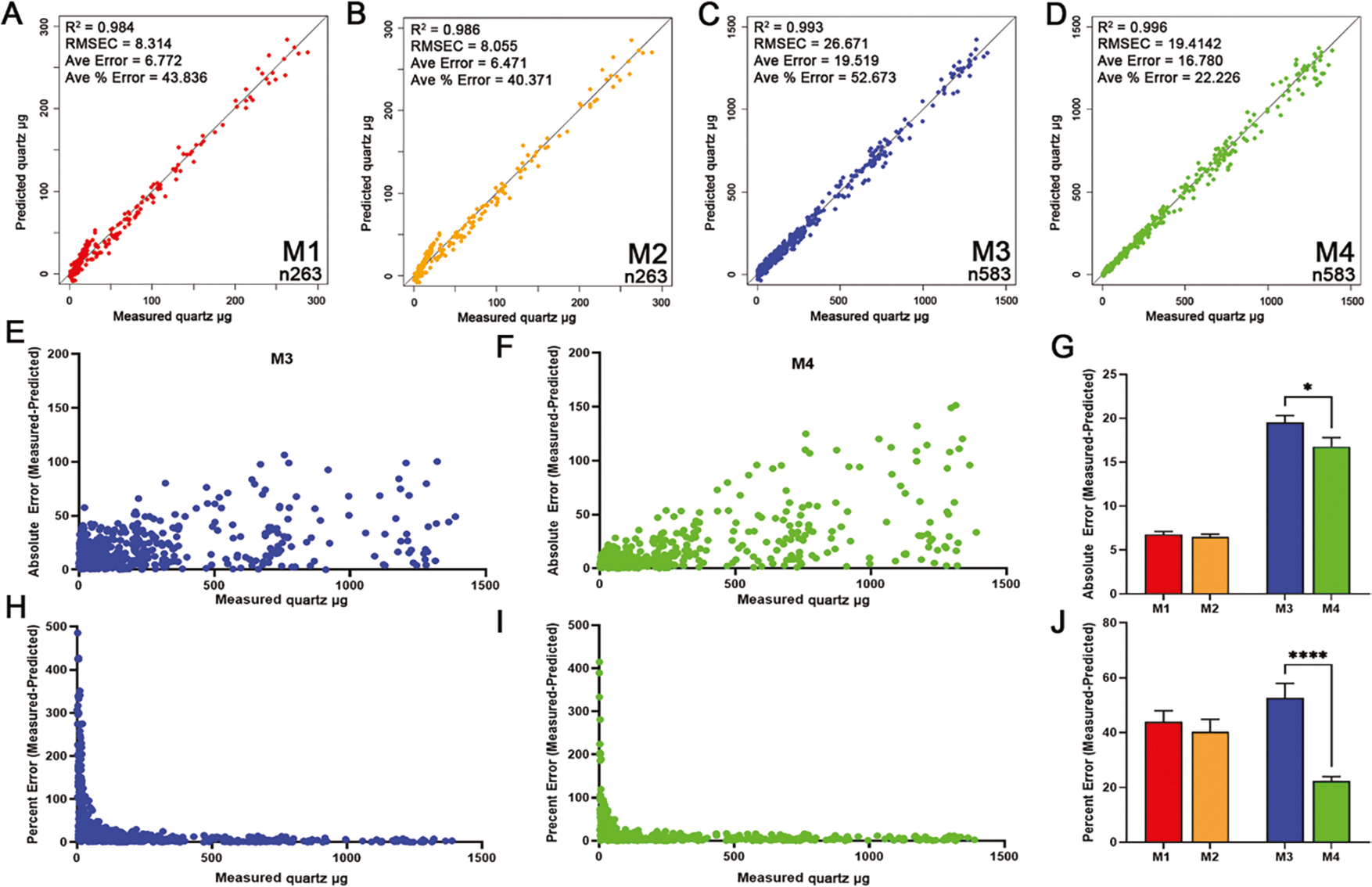
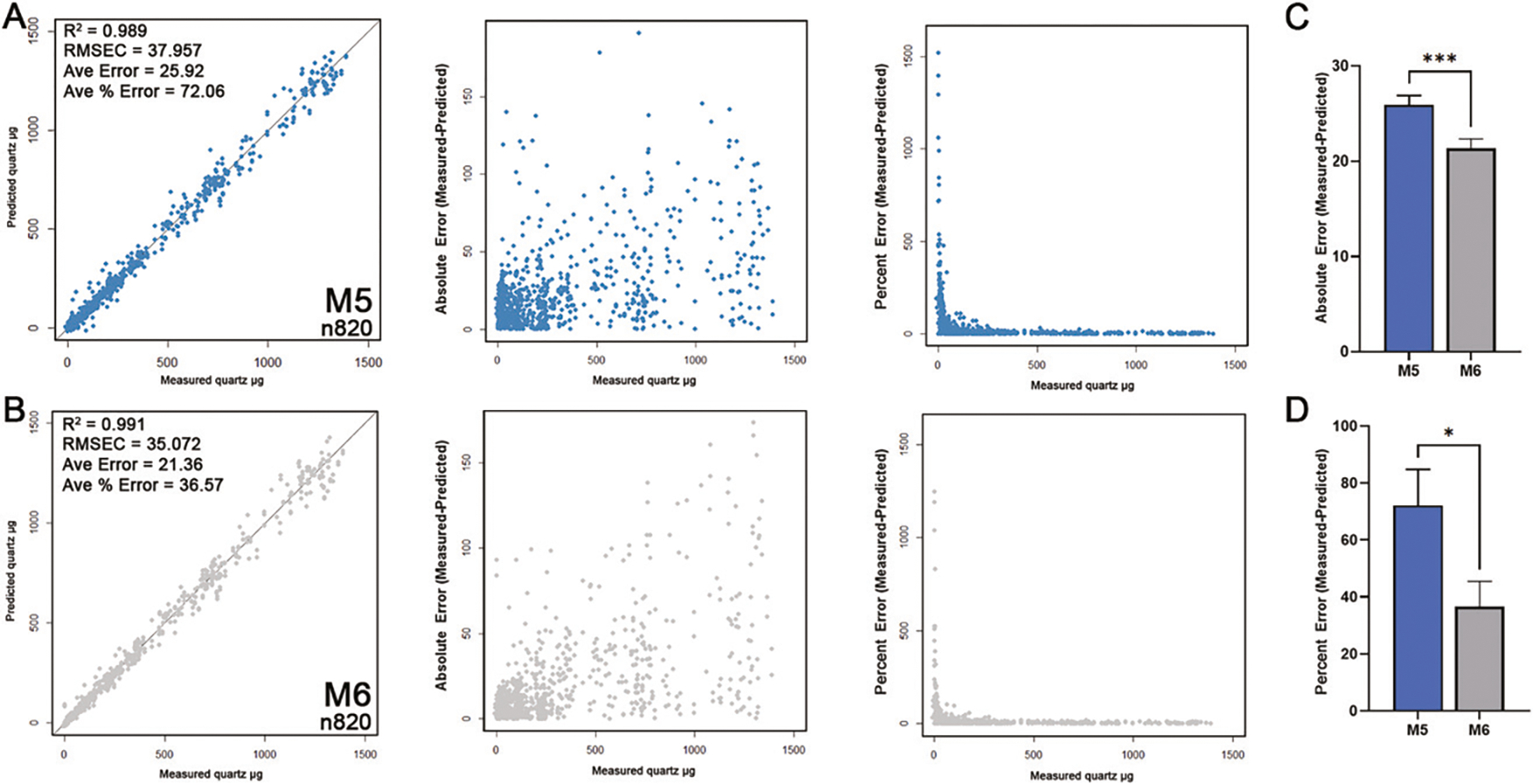
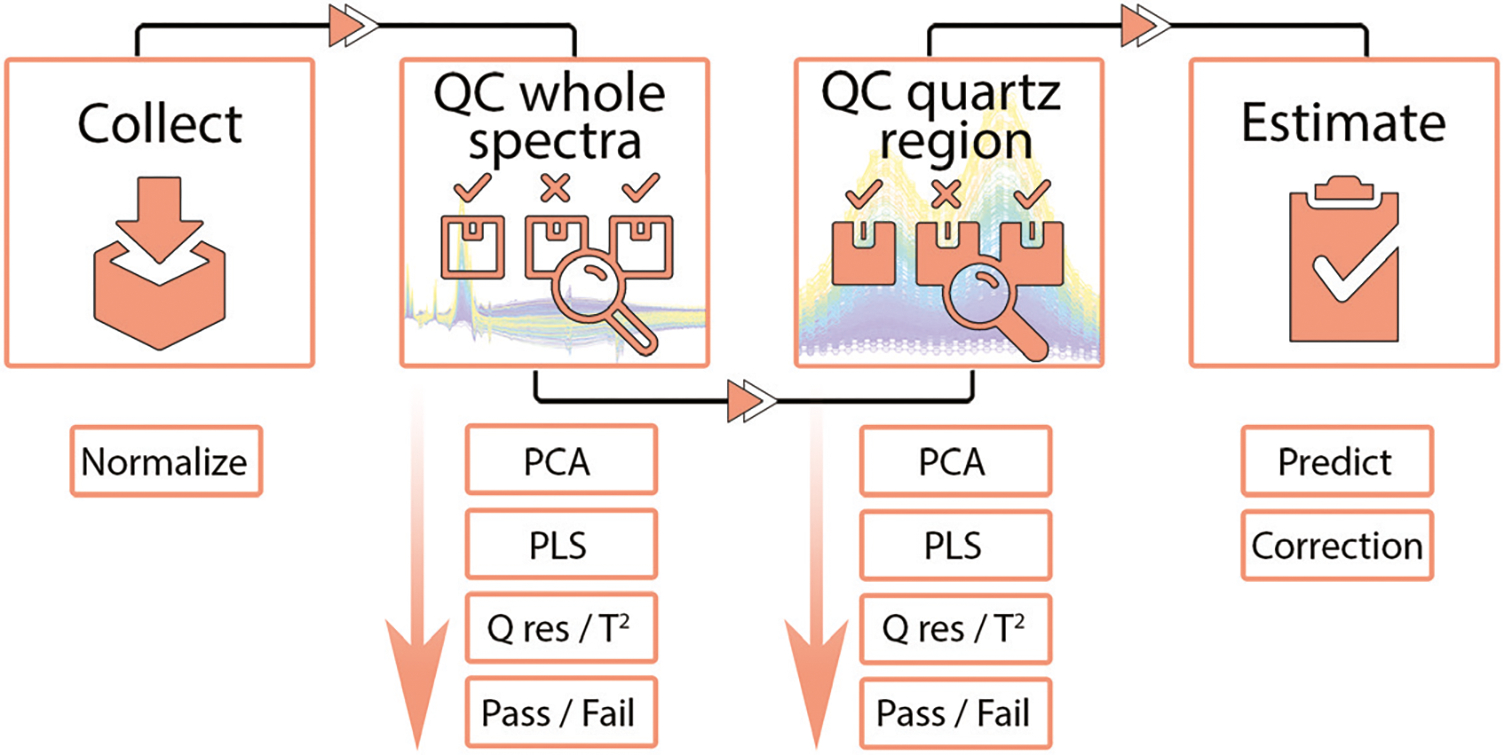
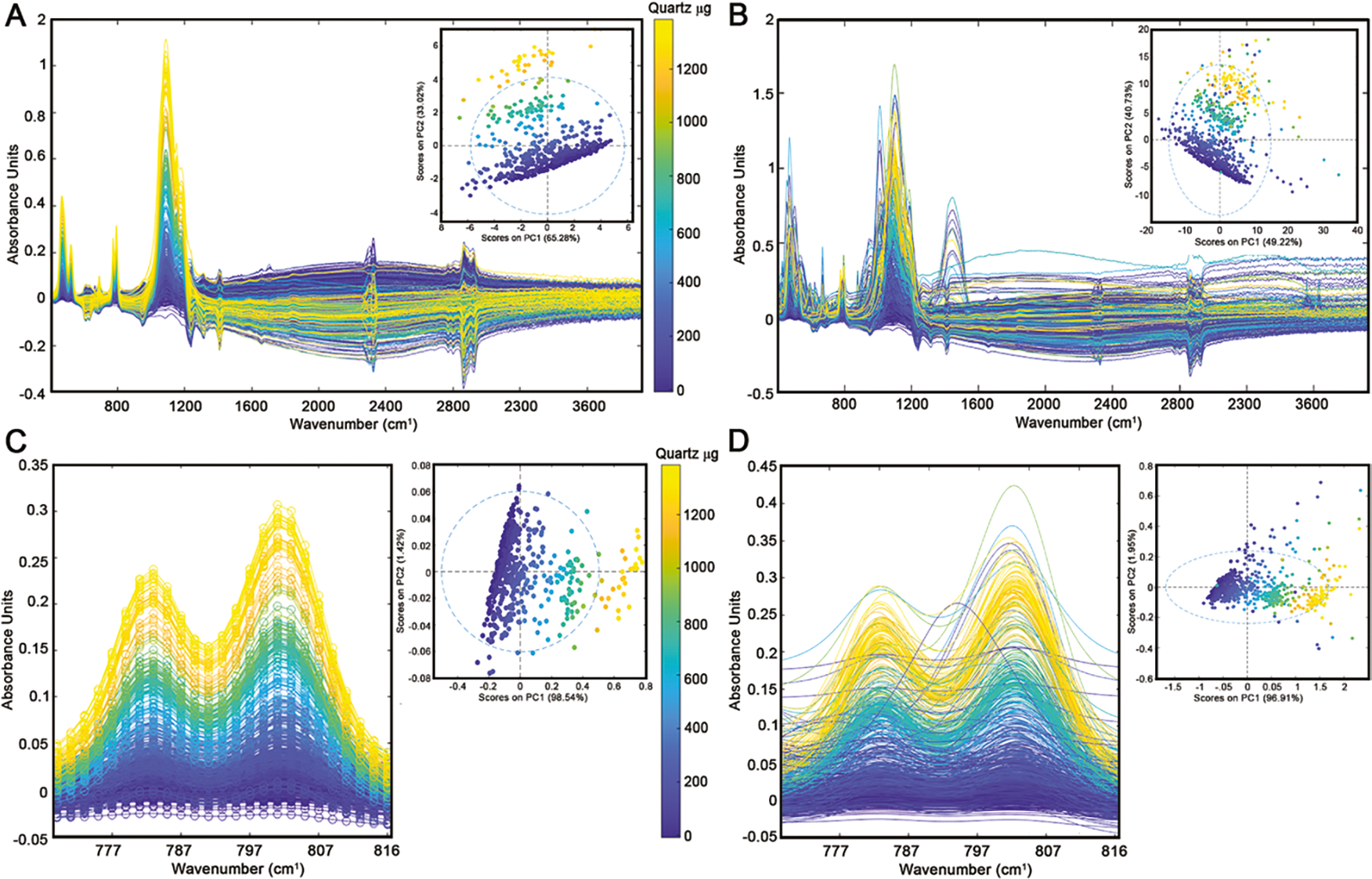
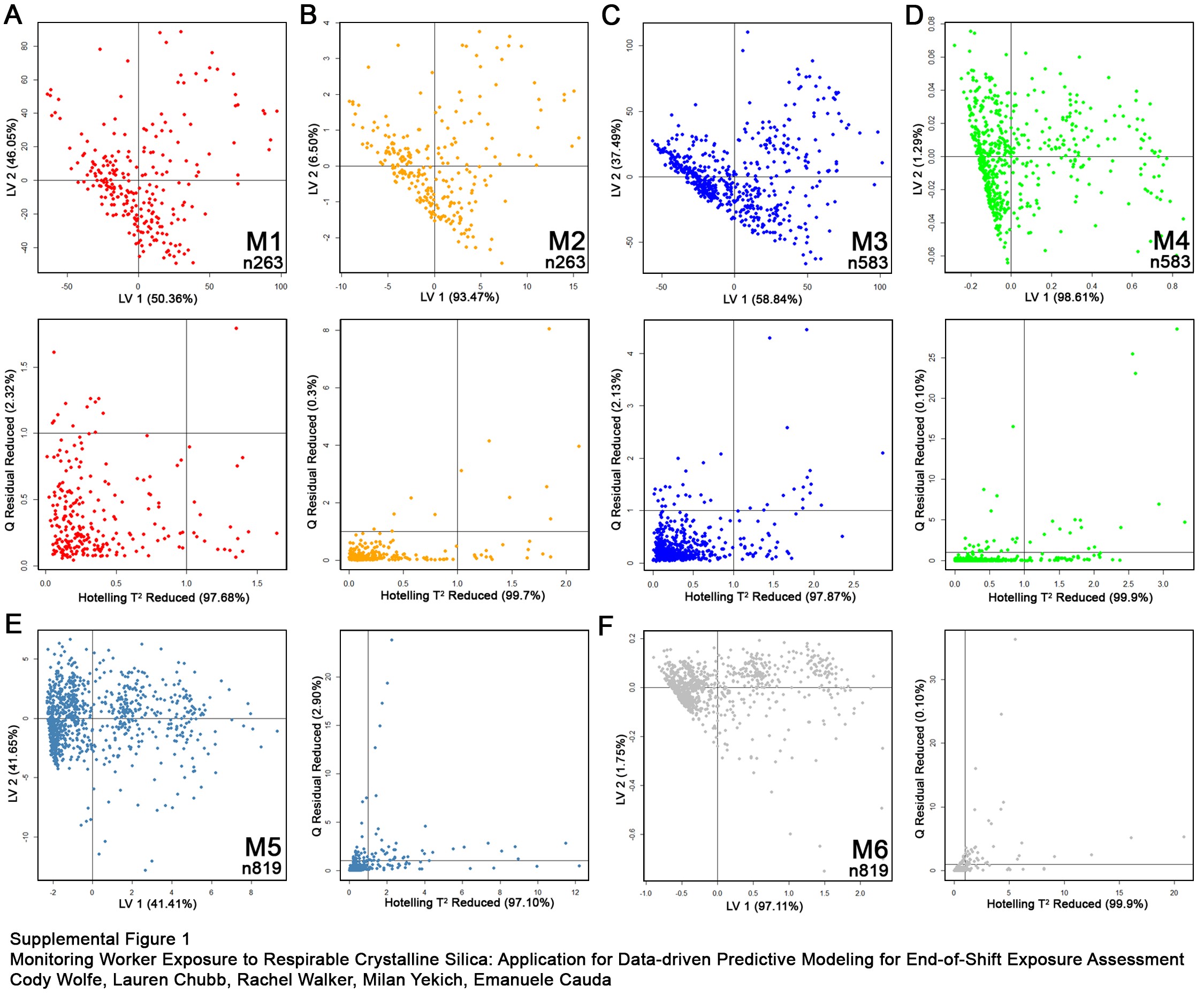
Description:In the ever-expanding complexities of the modern-day mining workplace, the continual monitoring of a safe and healthy work environment is a growing challenge. One specific workplace exposure concern is the inhalation of dust containing respirable crystalline silica (RCS) which can lead to silicosis, a potentially fatal lung disease. This is a recognized and regulated health hazard, commonly found in mining. The current methodologies to monitor this type of exposure involve distributed sample collection followed by costly and relatively lengthy follow-up laboratory analysis. To address this concern, we have investigated a data-driven predictive modeling pipeline to predict the amount of silica deposition quickly and accurately on a filter within minutes of sample collection completion. This field-based silica monitoring technique involves the use of small, and easily deployable, Fourier transform infrared (FTIR) spectrometers used for data collection followed by multivariate regression methodologies including Principal Component Analysis (PCA) and Partial Least Squares (PLS). Given the complex nature of respirable dust mixtures, there is an increasing need to account for multiple variables quickly and efficiently during analysis. This analysis consists of several quality control steps including data normalization, PCA and PLS outlier detection, as well as applying correction factors based on the sampler and cassette used for sample collection. While outside the scope of this article to test, these quality control steps will allow for the acceptance of data from many different FTIR instruments and sampling types, thus increasing the overall useability of this method. Additionally, any sample analyzed through the model and validated using a secondary method can be incorporated into the training dataset creating an ever-growing, more robust predictive model. Multivariant predictive modeling has far-reaching implications given its speed, cost, and scalability compared to conventional approaches. This contribution presents the application of PCA and PLS as part of a computational pipeline approach to predict the amount of a deposited mineral of interest using FTIR data. For this specific application, we have developed the model to analyze RCS, although this process can be implemented in the analysis of any IR-active mineral, and this pipeline applied to any FTIR data.
-
Subjects:
-
Keywords:
-
Source:Ann Work Expo Health. 66(8):1010-1021
-
Pubmed ID:35716068
-
Pubmed Central ID:PMC9561014
-
Document Type:
-
Funding:
-
Volume:66
-
Issue:8
-
Download URL:
-
File Type:
 [PDF - 1.50 MB]
 -
Collection(s):
-
Main Document Checksum:urn:sha-512:59c774fcf9b57ef9232d996f267ff56feca15dc330ff4596c443d0e096f9f12c1bb27ab238217c739cdefa12edad7b00c2d7665547a3abb9f6332cab15c86a50
Supporting Files


File Language:
English
 Was this page helpful?
 Found an issue?



CDC STACKS serves as an archival repository of CDC-published products including
scientific findings, journal articles, guidelines, recommendations, or other public health information authored or
co-authored by CDC or funded partners.
As a repository, CDC STACKS retains documents in their original published format to ensure public access to scientific information.
As a repository, CDC STACKS retains documents in their original published format to ensure public access to scientific information.
You May Also Like
COLLECTION
CDC Public Access