



A Laboratory Medicine Best Practices Systematic Review and Meta-analysis of Nucleic Acid Amplification Tests (NAATs) and Algorithms Including NAATs for the Diagnosis of Clostridioides (Clostridium) difficile in Adults
Supporting Files

-
5 29 2019
-
Available in CDC Stacks on 2019-05-29T00:00:00Z
File Language:
English
Details
-
Alternative Title:Clin Microbiol Rev
-
Personal Author:Kraft, Colleen S. ; Parrott, J. Scott ; Cornish, Nancy E. ; Rubinstein, Matthew L. ; Weissfeld, Alice S. ; McNult, Peggy ; Nachamkin, Irving ; Humphries, Romney M. ; Kirn, Thomas J. ; Dien Bard, Jennifer ; Lutgring, Joseph D. ; Gullett, Jonathan C. ; Bittencourt, Cassiana E. ; Benson, Susan ; Bobenchik, April M. ; Sautter, Robert L. ; Baselski, Vickie ; Atlas, Michel C. ; Marlowe, Elizabeth M. ; Miller, Nancy S. ; Fischer, Monika ; Richter, Sandra S. ; Gilligan, Peter ; Snyder, James W.
-
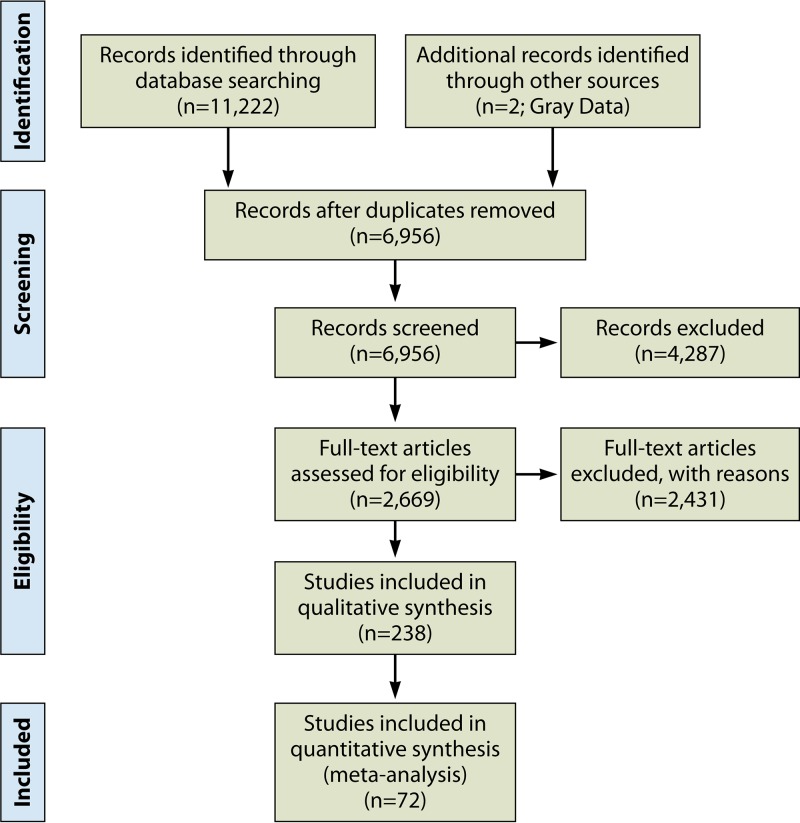
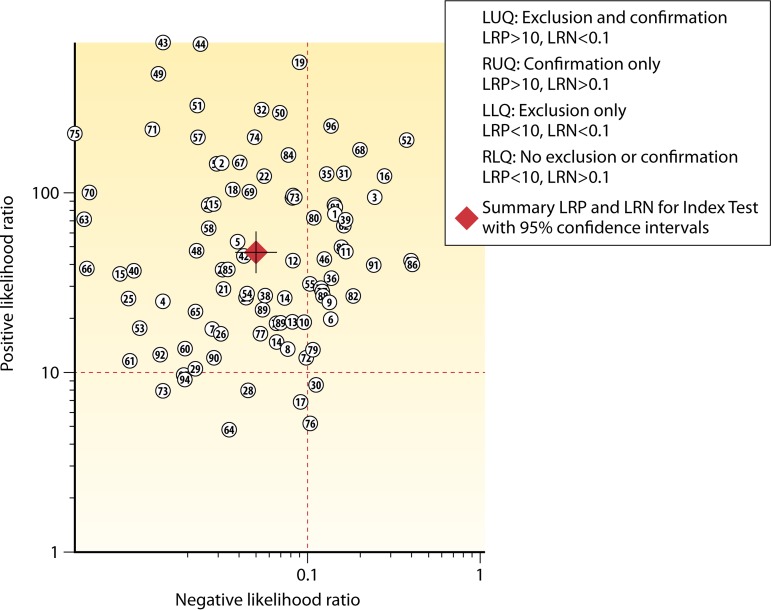
Description:The evidence base for the optimal laboratory diagnosis of | (|) | in adults is currently unresolved due to the uncertain performance characteristics and various combinations of tests. This systematic review evaluates the diagnostic accuracy of laboratory testing algorithms that include nucleic acid amplification tests (NAATs) to detect the presence of | The systematic review and meta-analysis included eligible studies (those that had PICO population, intervention, comparison, outcome elements) that assessed the diagnostic accuracy of NAAT alone or following glutamate dehydrogenase (GDH) enzyme immunoassays (EIAs) or GDH EIAs plus | toxin EIAs (toxin). The diagnostic yield of NAAT for repeat testing after an initial negative result was also assessed. Two hundred thirty-eight studies met inclusion criteria. Seventy-two of these studies had sufficient data for meta-analysis. The strength of evidence ranged from high to insufficient. The uses of NAAT only, GDH-positive EIA followed by NAAT, and GDH-positive/toxin-negative EIA followed by NAAT are all recommended as American Society for Microbiology (ASM) best practices for the detection of the | toxin gene or organism. Meta-analysis of published evidence supports the use of testing algorithms that use NAAT alone or in combination with GDH or GDH plus toxin EIA to detect the presence of | in adults. There is insufficient evidence to recommend against repeat testing of the sample using NAAT after an initial negative result due to a lack of evidence of harm (i.e., financial, length of stay, or delay of treatment) as specified by the Laboratory Medicine Best Practices (LMBP) systematic review method in making such an assessment. Findings from this systematic review provide clarity to diagnostic testing strategies and highlight gaps, such as low numbers of GDH/toxin/PCR studies, in existing evidence on diagnostic performance, which can be used to guide future clinical research studies.
-
Subjects:
-
Source:Clin Microbiol Rev. 2019; 32(3)
-
Pubmed ID:31142497
-
Pubmed Central ID:PMC6589859
-
Document Type:
-
Funding:
-
Volume:32
-
Issue:3
-
Download URL:
-
File Type:
 [PDF - 5.39 MB]
 -
Collection(s):
-
Main Document Checksum:urn:sha256:4c24d4bb93f191734176cb8086760ebdd87a9cfc0be817e611e9d3e4ff3186c5
Supporting Files


File Language:
English
 Was this page helpful?
 Found an issue?

























CDC STACKS serves as an archival repository of CDC-published products including
scientific findings, journal articles, guidelines, recommendations, or other public health information authored or
co-authored by CDC or funded partners.
As a repository, CDC STACKS retains documents in their original published format to ensure public access to scientific information.
As a repository, CDC STACKS retains documents in their original published format to ensure public access to scientific information.
You May Also Like
COLLECTION
CDC Public Access