


Evaluation of Apparatus Used to Test Liquid through Protective Materials: Comparison of a Modified Dot-Blot Apparatus to the ASTM Penetration Cell
Supporting Files

-
3 07 2019
-

File Language:
English
Details
-
Alternative Title:J Test Eval
-
Personal Author:
-
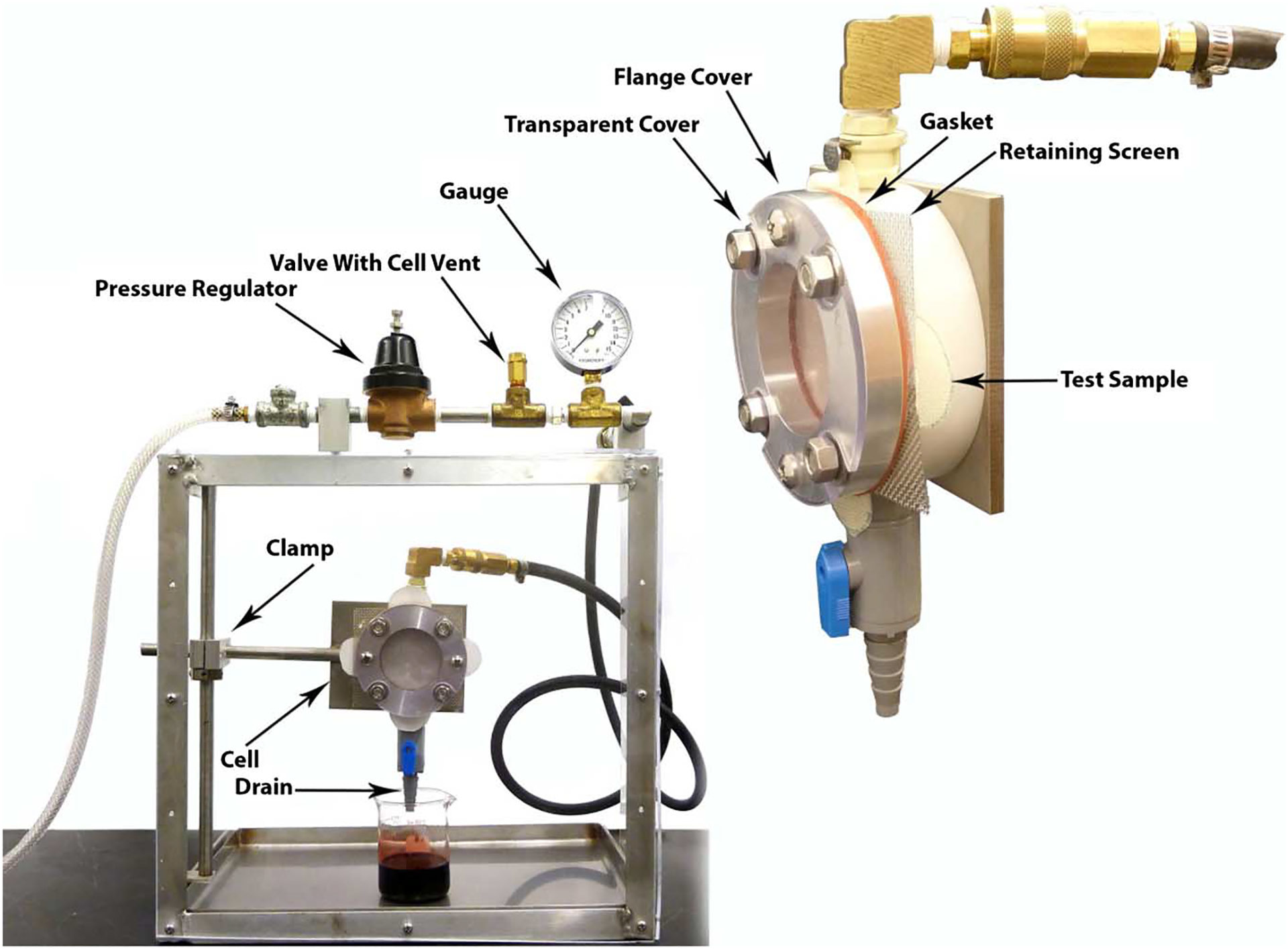
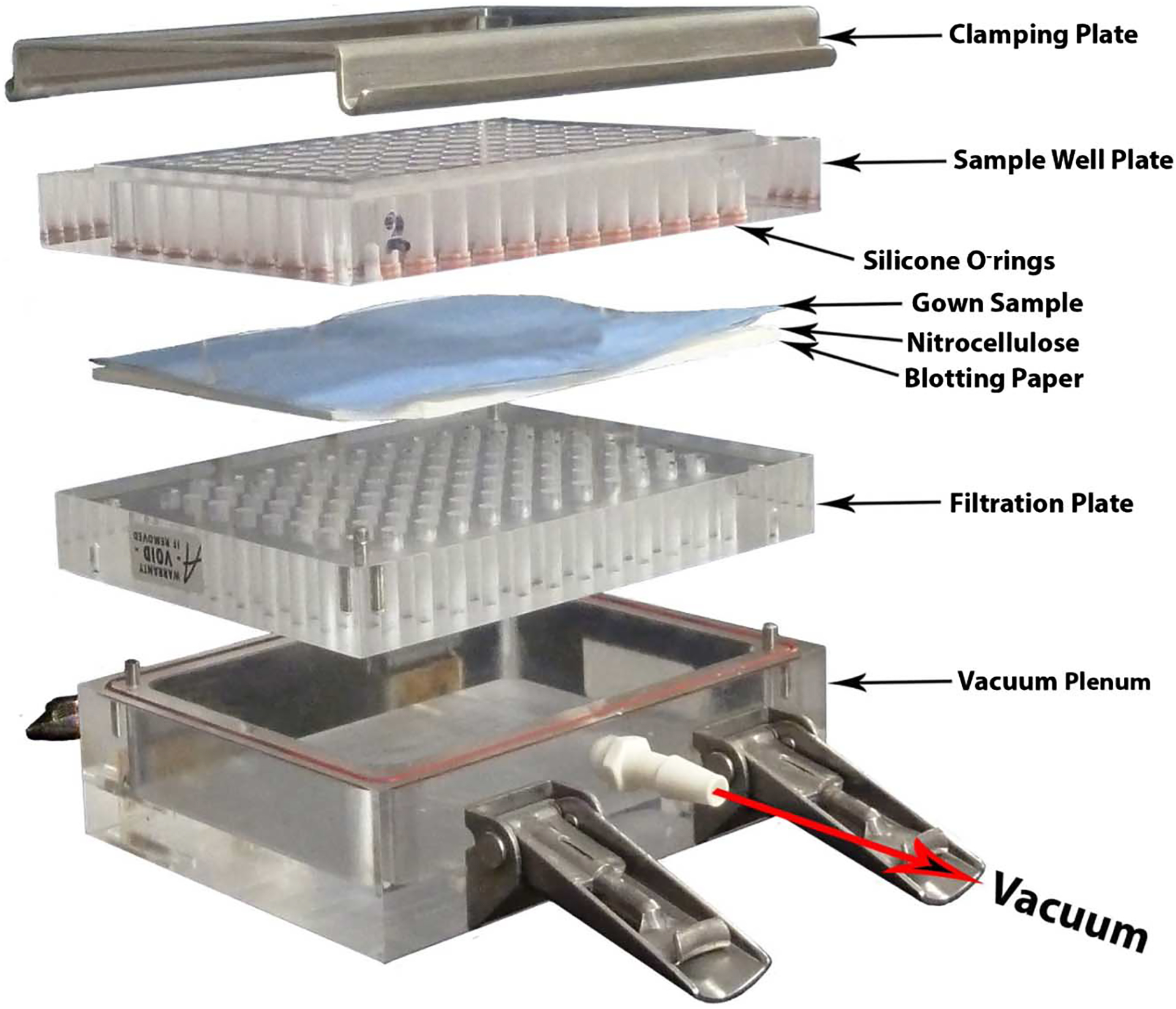
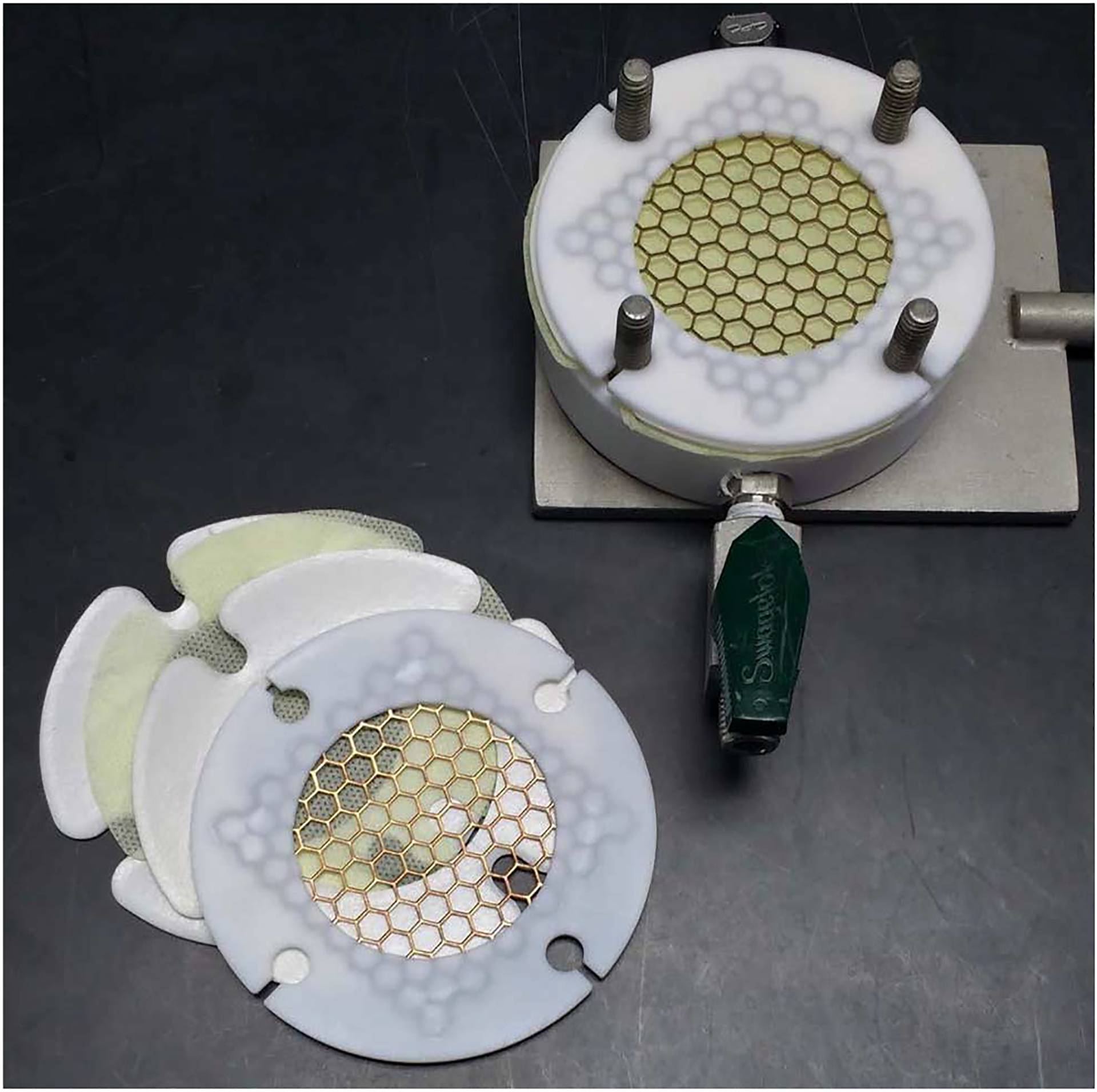
Description:Personal protective equipment (PPE), such as gowns used in the latest Ebola outbreak in Western Africa, are critical in preventing the spread of deadly diseases. Appropriate test systems and test soils are needed to adequately evaluate PPE. ASTM F903, |, has been used for decades to test fabrics' resistance to liquid penetration. However, this test apparatus requires at least 60 mL of test solutions, is labor intensive, and has problems with leakage around the gaskets. We compared the F903 test apparatus to a modified dot-blot apparatus to evaluate the visual penetration of a blood test soil. A series of commercially available gowns and drapes were tested in each apparatus. Using blood test soil at 2 psi, there was no statistically significant difference between the two methods except for in one gown. By comparing this gown in the ASTM test apparatus with and without a screen, the particular screen selected did not account for the difference between the dot-blot and F903 apparatuses; however, it is conceivable that a particular screen/fabric combination could account for this difference. The modified dot-blot apparatus was evaluated using three different test solutions: blood, vomit, and a labeled protein (goat anti-rabbit immunoglobulin G-horseradish peroxidase [GaR IgG-HRP]) in a blood test soil solution. This testing revealed significant difference in penetration for some of the PPE garments. The modified dot-blot had several large advantages over the ASTM apparatus-over six times less specimen volume and no edge or gasket leakage. In addition, nitrocellulose can be easily incorporated into the modified dot-blot apparatus, enabling the trapping of viruses and proteins that penetrate PPE-thus permitting the use of antibodies to quickly and sensitively detect penetration.
-
Keywords:
-
Source:J Test Eval. 48(1)
-
Pubmed ID:36147246
-
Pubmed Central ID:PMC9490760
-
Document Type:
-
Funding:
-
Volume:48
-
Issue:1
-
Collection(s):
-
Main Document Checksum:urn:sha-512:a77bf4a5054139b980bec46ef4c9eb24099b0f17853e3a2eee9eea0984ba8bd84913f7fa5060212c6961f80c263f31523252abf68097bc05e49985fc472e2a4f
-
Download URL:
-
File Type:
 [PDF
- 1.12 MB
]
[PDF
- 1.12 MB
]

Supporting Files


File Language:
English
ON THIS PAGE


CDC STACKS serves as an archival repository of CDC-published products including
scientific findings,
journal articles, guidelines, recommendations, or other public health information authored or
co-authored by CDC or funded partners.
As a repository, CDC STACKS retains documents in their original published format to ensure public access to scientific information.
As a repository, CDC STACKS retains documents in their original published format to ensure public access to scientific information.
You May Also Like
COLLECTION
CDC Public Access