


Characteristics and correlates of U.S. clinicians prescribing buprenorphine for opioid use disorder treatment using expanded authorities during the COVID-19 pandemic
Supporting Files

-
8 1 2021
-
File Language:
English
Details
-
Alternative Title:Drug Alcohol Depend
-
Personal Author:
-
Description:Background:
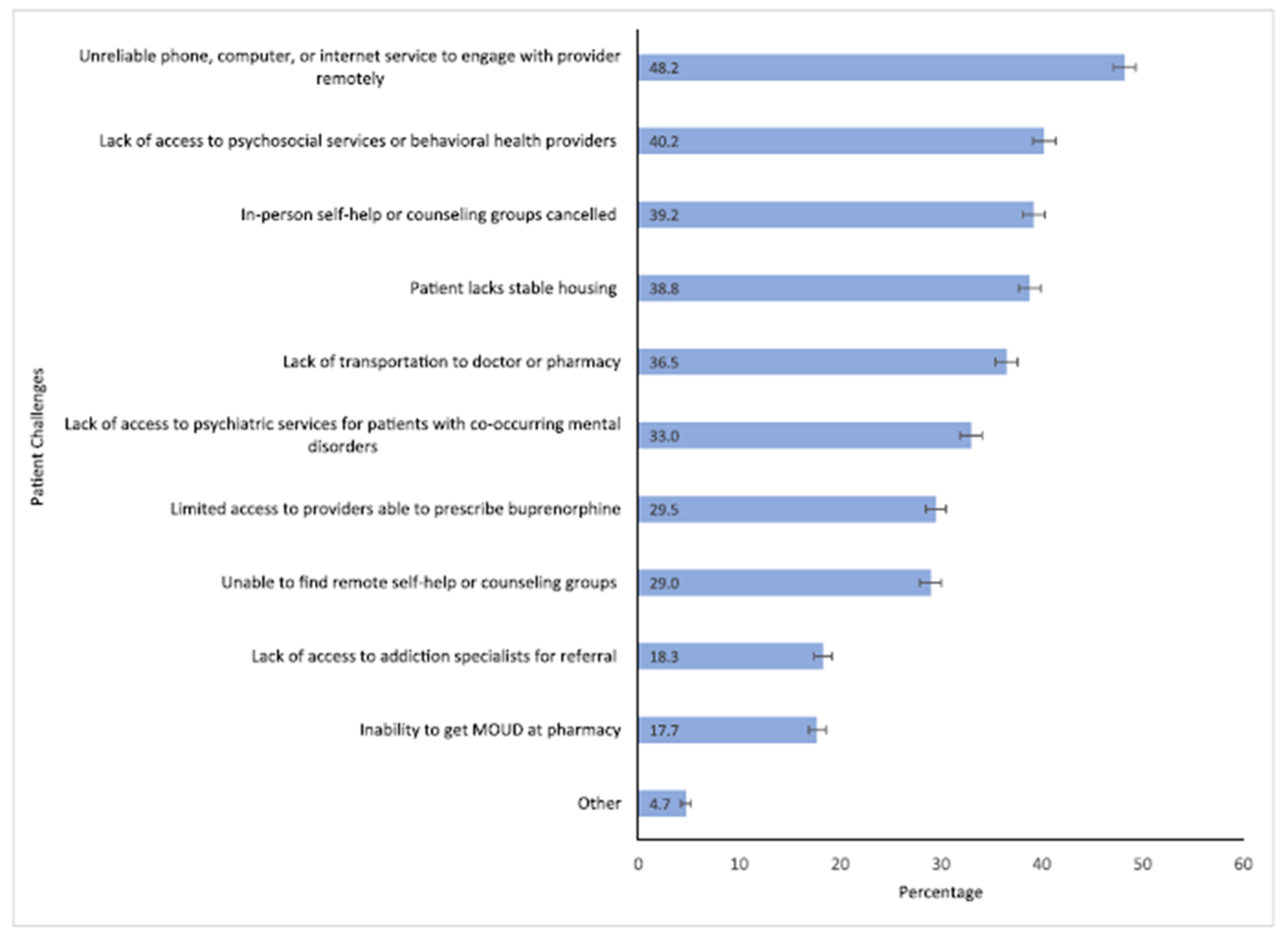
To determine how clinicians with a DATA waiver to prescribe buprenorphine for opioid use disorder (OUD) adapted during the COVID-19 pandemic to emergency authorities, including use of telehealth to prescribe buprenorphine, the challenges faced by clinicians, and strategies employed by them to manage patients with OUD.
Methods:
From June 23, 2020 to August 19, 2020, we conducted an electronic survey of U.S. DATA-waivered clinicians. Descriptive statistics and multivariable logistic regression were used for analysis.
Results:
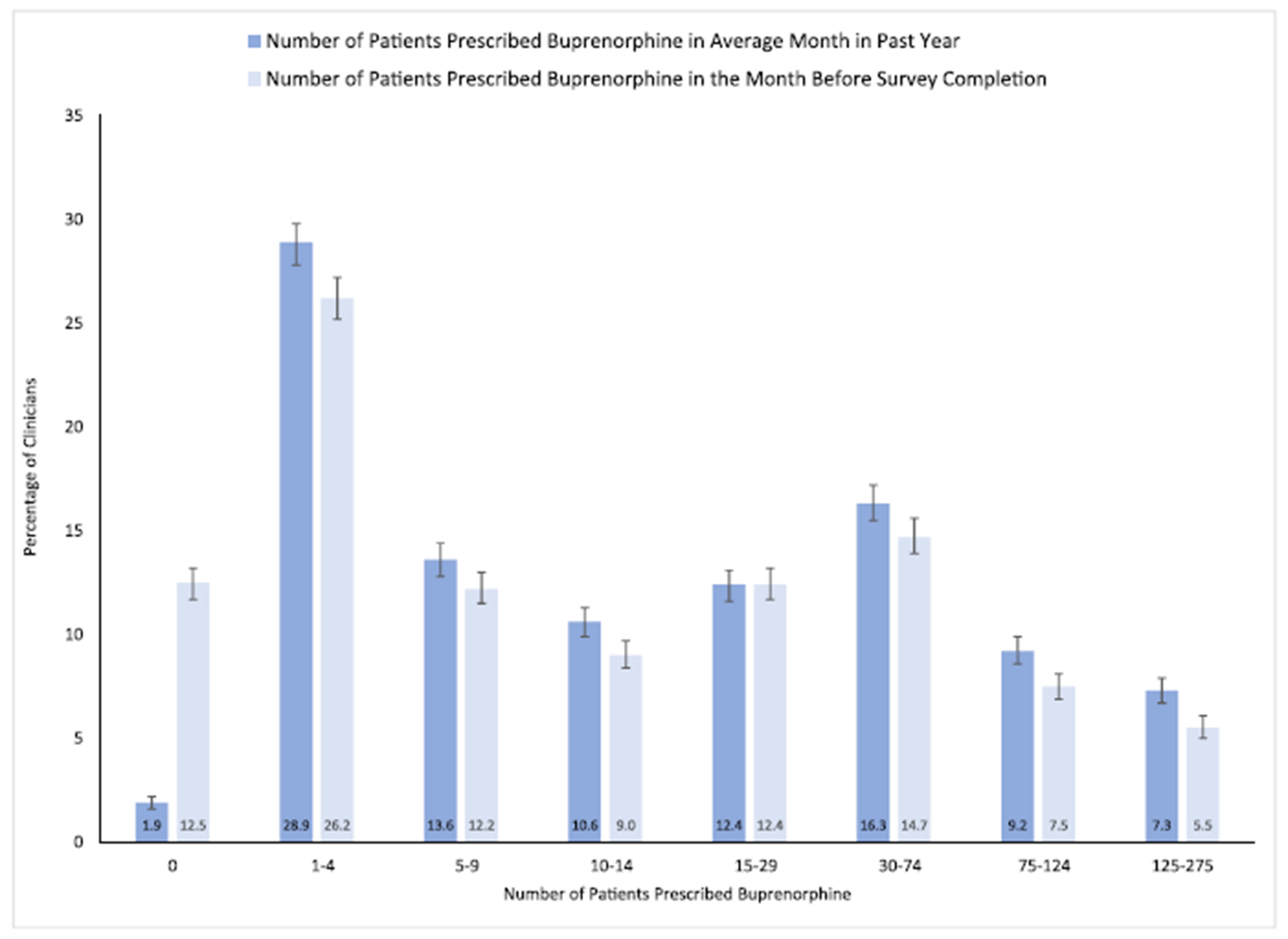
Among 10,238 respondents, 68 % were physicians, 25 % nursing-related providers, and 6% physician assistants; 28 % reported never prescribing or not prescribing in the 12 months prior to the survey. Among the 72 % of clinicians who reported past 12-month buprenorphine prescribing (i.e. active practitioners during the pandemic) 30 % reported their practice setting closed to in-person visits during COVID-19; 33 % reported remote prescribing to new patients without an in-person examination. The strongest predictors of remote buprenorphine prescribing to new patients were prescribing buprenorphine to larger numbers of patients in an average month in the past year and closure of the practice setting during the pandemic; previous experience with remote prescribing to established patients prior to COVID-19 also was a significant predictor. Among clinicians prescribing to new patients without an in-person examination, 5.5 % reported difficulties with buprenorphine induction, most commonly withdrawal symptoms.
Conclusions:
Telehealth practices and prescribing to new patients without an in-person examination were adopted by DATA-waivered clinicians during the first six months of COVID-19. Permanent adoption of these authorities may enable expanded access to buprenorphine treatment.
-
Subjects:
-
Keywords:
-
Source:Drug Alcohol Depend. 225:108783
-
Pubmed ID:34049102
-
Pubmed Central ID:PMC9186054
-
Document Type:
-
Funding:
-
Volume:225
-
Collection(s):
-
Main Document Checksum:urn:sha-512:f2df642a9e3dcf2f72d485ed4a15ffc070a282fb278ab600034a66a72648b33bd111cec63d6514bea21f767121ff5722847dacee993af52d74e12aa7ae536c74
-
Download URL:
-
File Type:
 [PDF
- 470.54 KB
]
[PDF
- 470.54 KB
]
Supporting Files


File Language:
English
ON THIS PAGE

CDC STACKS serves as an archival repository of CDC-published products including
scientific findings,
journal articles, guidelines, recommendations, or other public health information authored or
co-authored by CDC or funded partners.
As a repository, CDC STACKS retains documents in their original published format to ensure public access to scientific information.
As a repository, CDC STACKS retains documents in their original published format to ensure public access to scientific information.
You May Also Like
COLLECTION
CDC Public Access