


How Australia’s measles control activities have catalyzed rubella elimination
Supporting Files

-
1 2022
File Language:
English
Details
-
Alternative Title:Int J Infect Dis
-
Personal Author:
-
Description:Background:
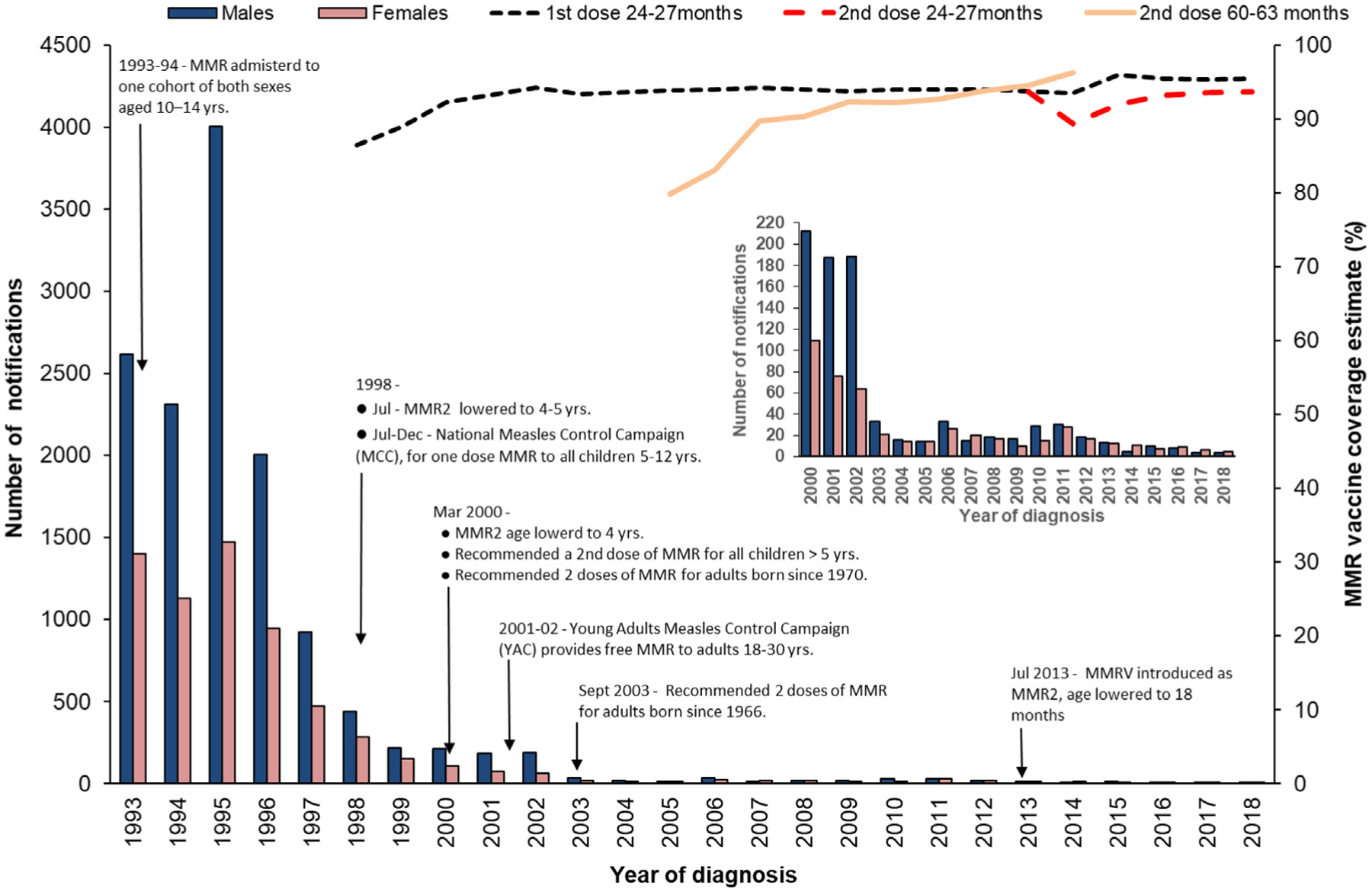
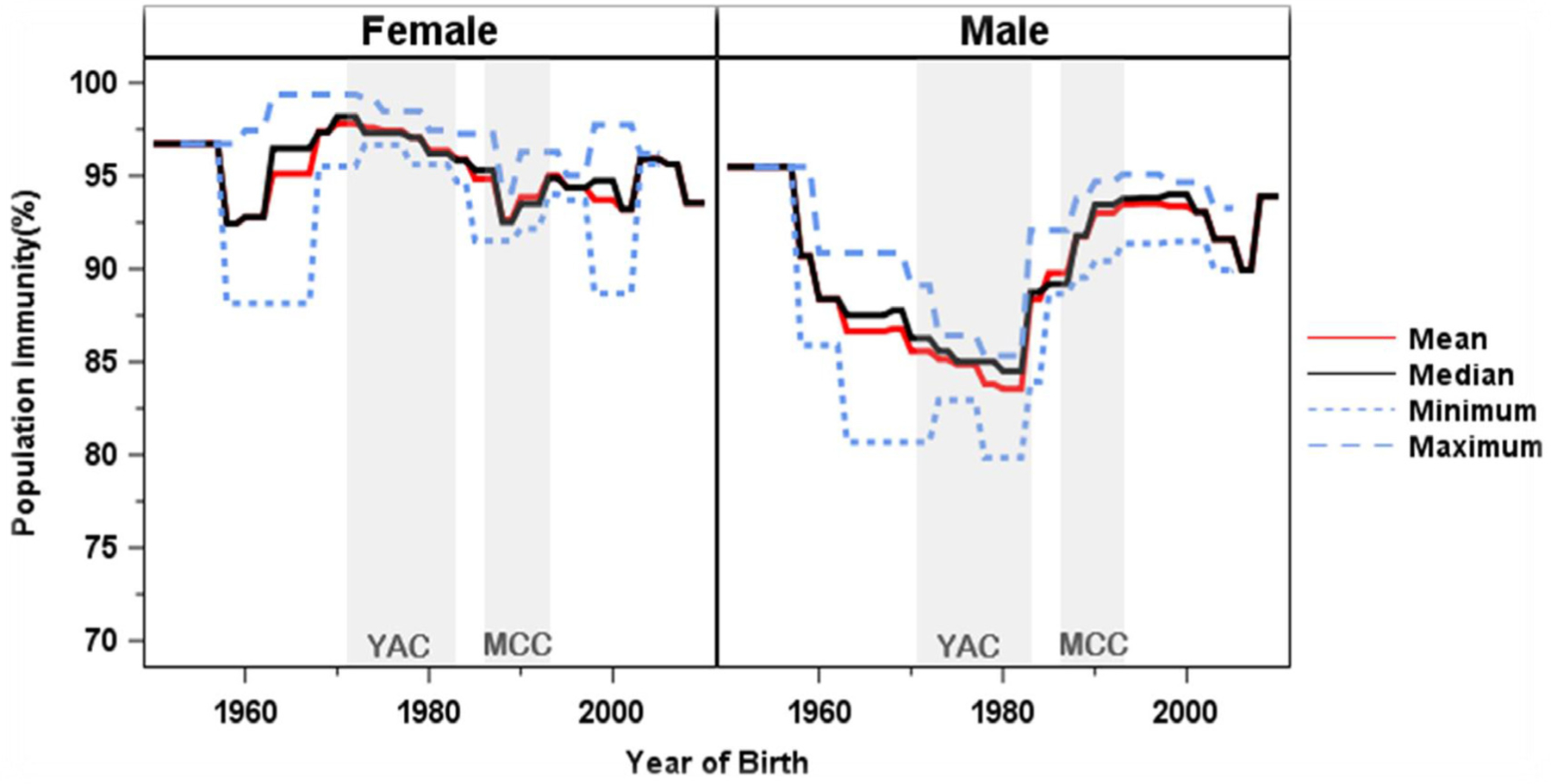
By 2017, rubella had been officially eliminated in Australia. This success was attributed to Australia’s longstanding national immunization programme and two enhanced measles immunization activities using measles, mumps, and rubella (MMR) vaccines — the Measles Control Campaign (MCC) and the Young Adult MMR Campaign (YAC). Our study describes the impact of these activities on rubella incidence, and its elimination in Australia.
Methods:
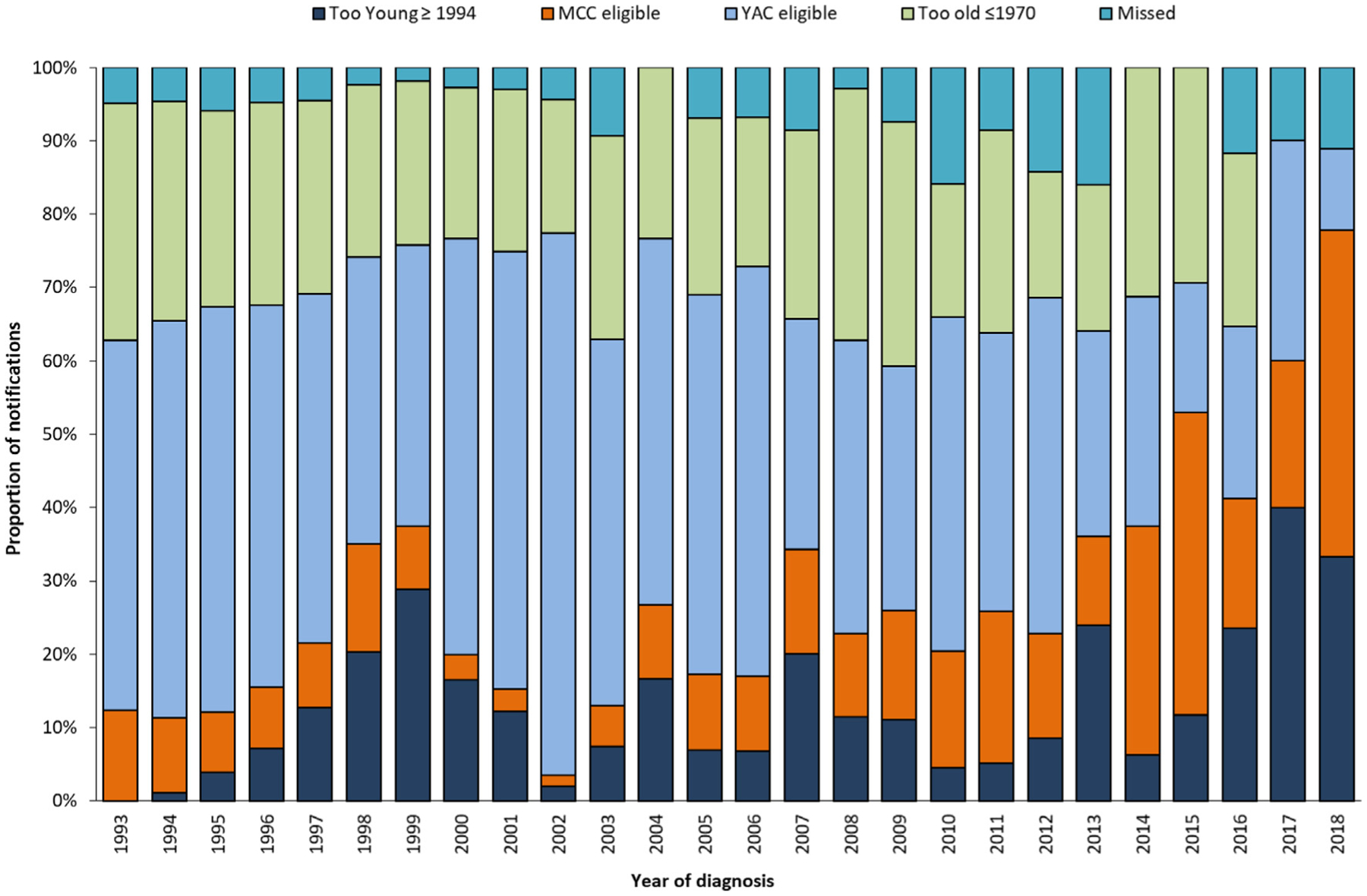
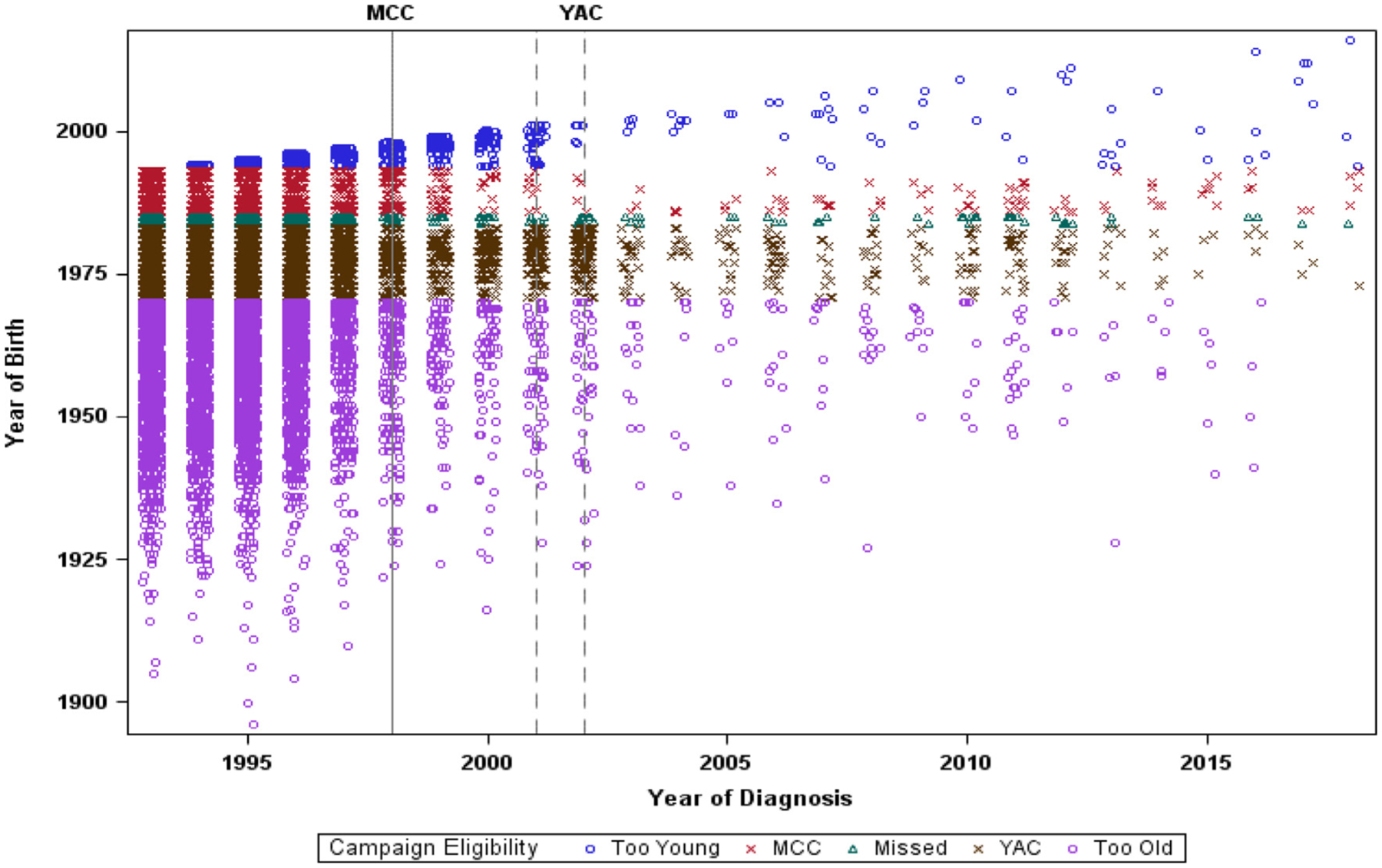
Aggregate national serological survey data were assigned to birth cohorts, and mean, median, and age-group estimates calculated and analyzed against MMR immunization coverage estimates (1998–2018) and rubella notifications (1993–2018). Three-year cumulative incidences were calculated by birth cohort.
Results:
The serological surveys revealed high and stable levels of rubella immunity among females, but estimates for three male cohorts were lower. Since 2007, MMR immunization coverage among children aged 24–27 months has remained above 90% for both doses. The 3-year cumulative incidence of rubella declined across all birth cohorts following the MCC and the YAC.
Discussion:
Using MMR vaccines to address measles immunity gaps had the additional benefit of controlling rubella in Australia. Both the MCC and YAC shifted rubella epidemiology, accelerating the interruption of endemic transmission. Countries should consider combined measles and rubella vaccines for all catch-up activities.
-
Subjects:
-
Keywords:
-
Source:Int J Infect Dis. 114:72-78
-
Pubmed ID:34749012
-
Pubmed Central ID:PMC8791076
-
Document Type:
-
Funding:
-
Volume:114
-
Collection(s):
-
Main Document Checksum:urn:sha256:29500c006b624ef8b618bb379aee9393a4f8b733548d2b134c016b8b38b32143
-
Download URL:
-
File Type:
 [PDF
- 955.83 KB
]
[PDF
- 955.83 KB
]
Supporting Files


File Language:
English
ON THIS PAGE


CDC STACKS serves as an archival repository of CDC-published products including
scientific findings,
journal articles, guidelines, recommendations, or other public health information authored or
co-authored by CDC or funded partners.
As a repository, CDC STACKS retains documents in their original published format to ensure public access to scientific information.
As a repository, CDC STACKS retains documents in their original published format to ensure public access to scientific information.
You May Also Like
COLLECTION
CDC Public Access