



Validation of in vivo Toenail Measurements of Manganese and Mercury using a Portable X-Ray Fluorescence Device
Supporting Files
Peer Reviewed

-
2022/05/01
-
Available in CDC Stacks on May 23, 2022, 12:00 AM
File Language:
English
Details
-
Journal Article:Journal of Exposure Science and Environmental Epidemiology
-
Personal Author:
-
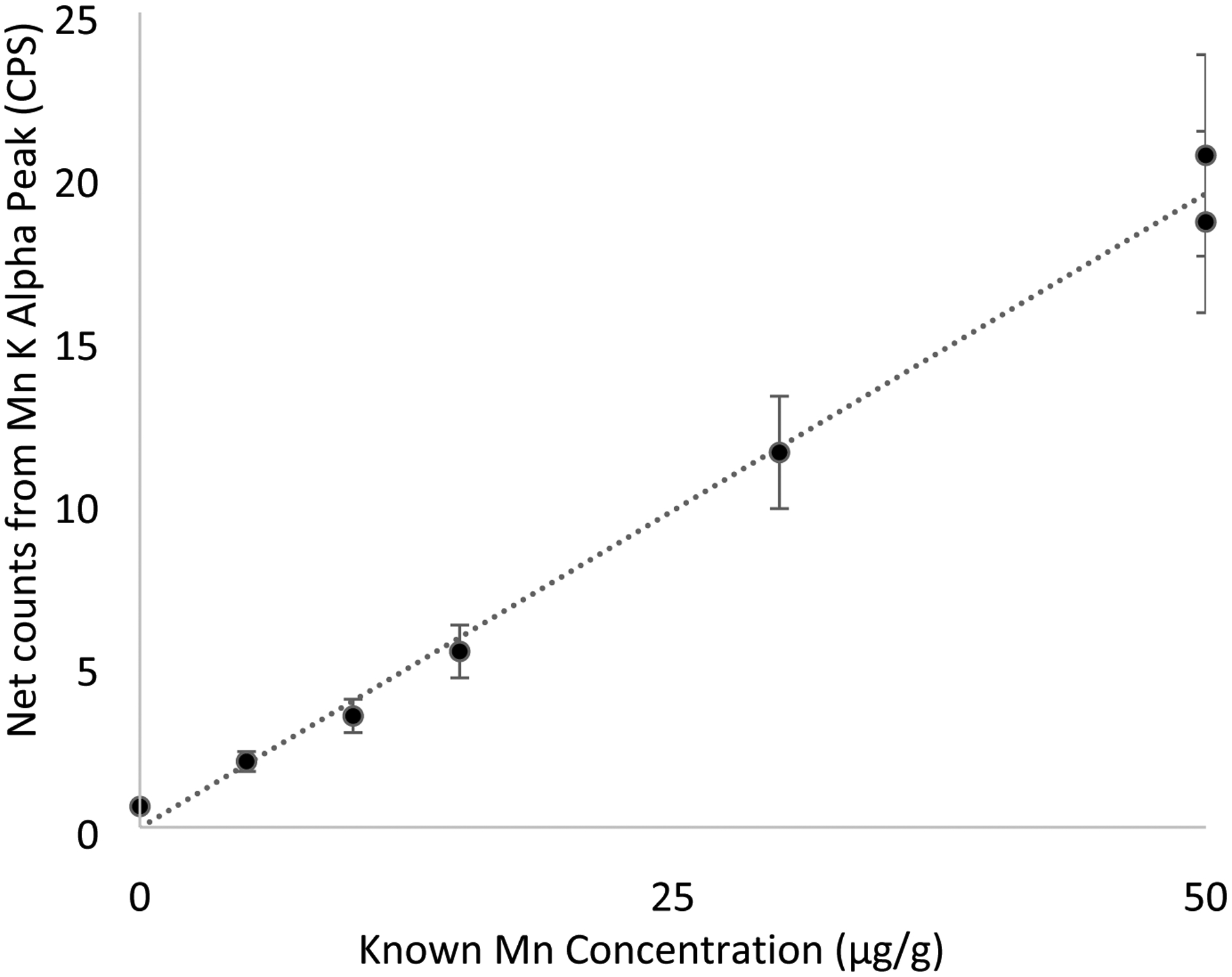
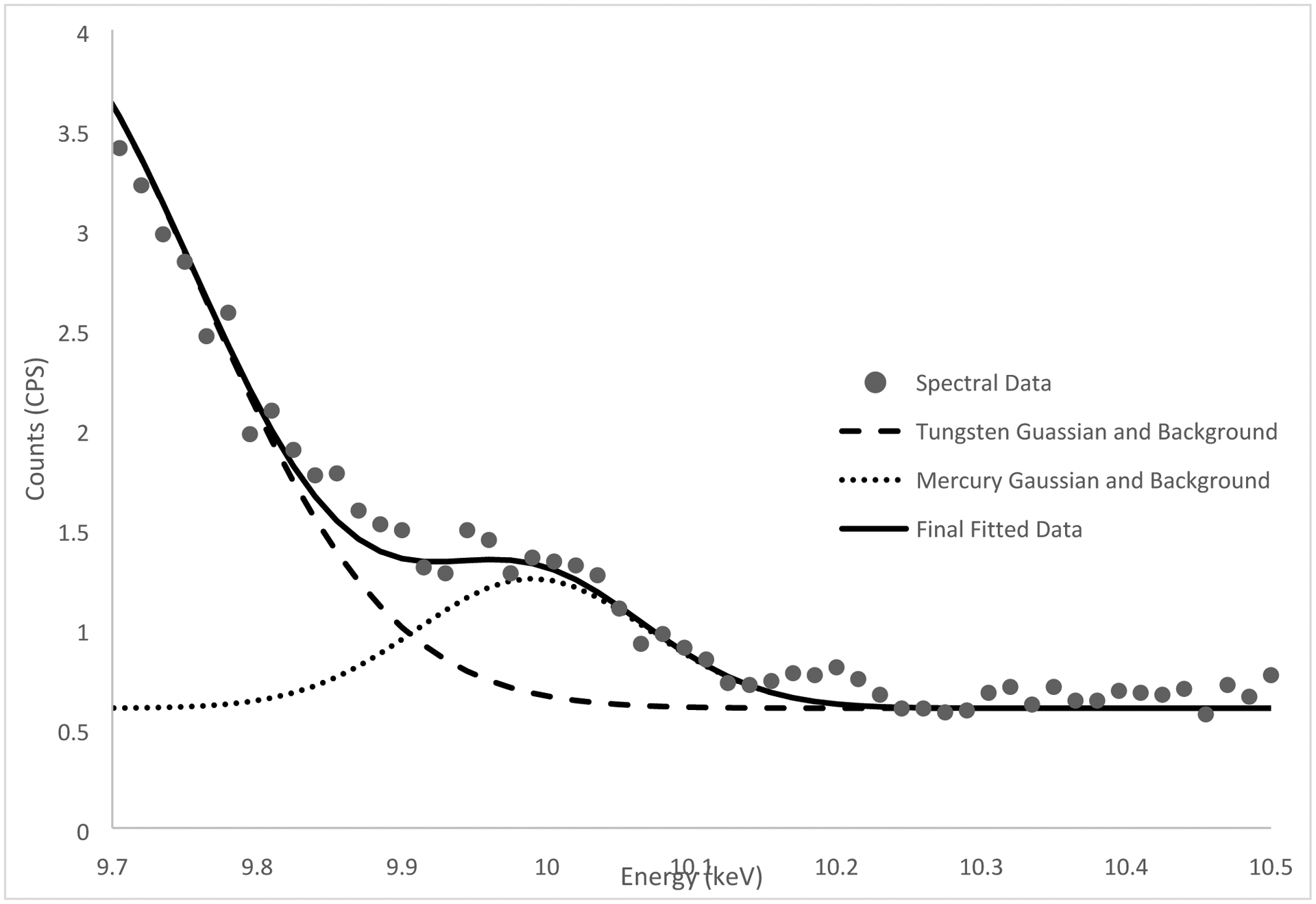
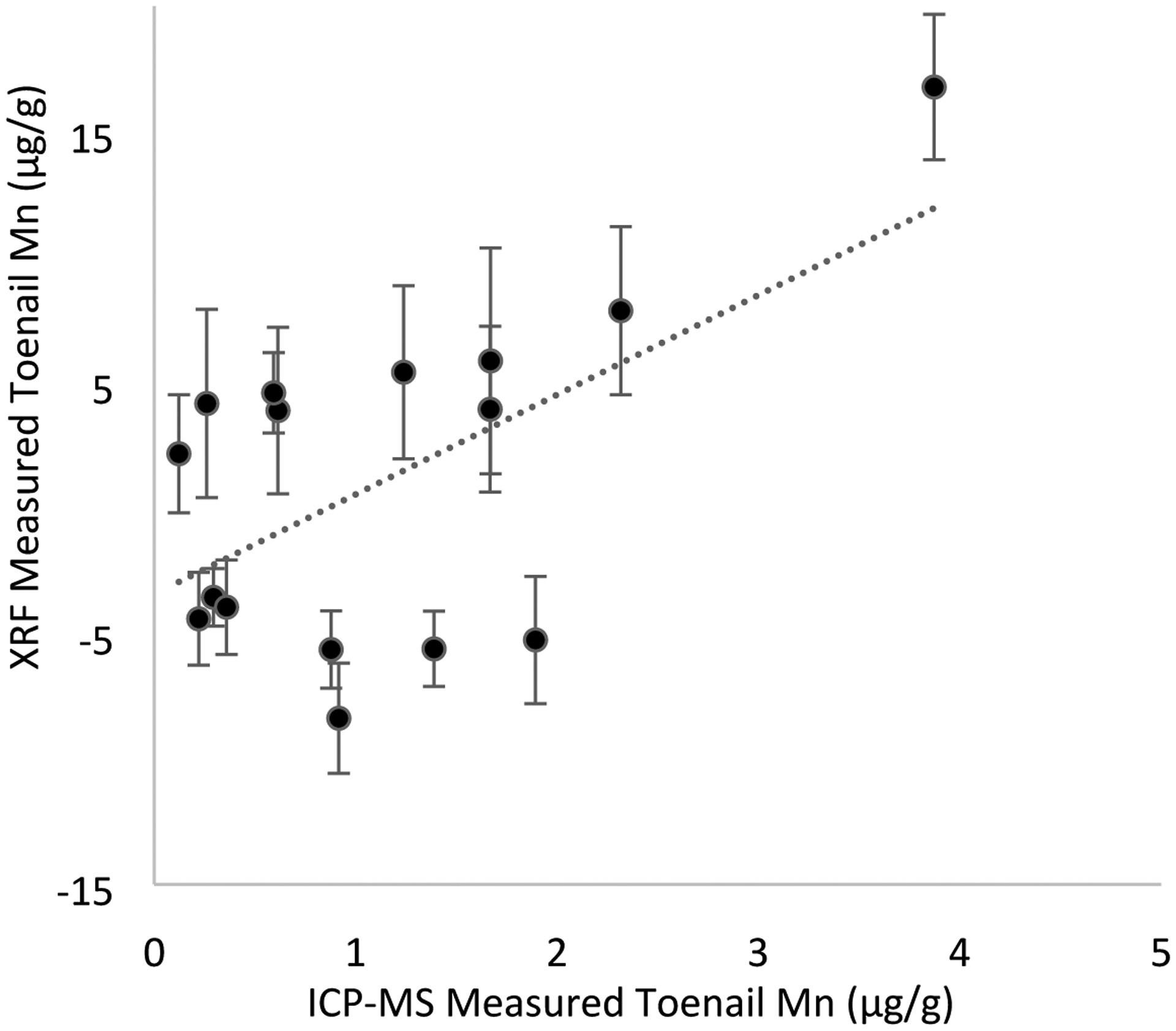
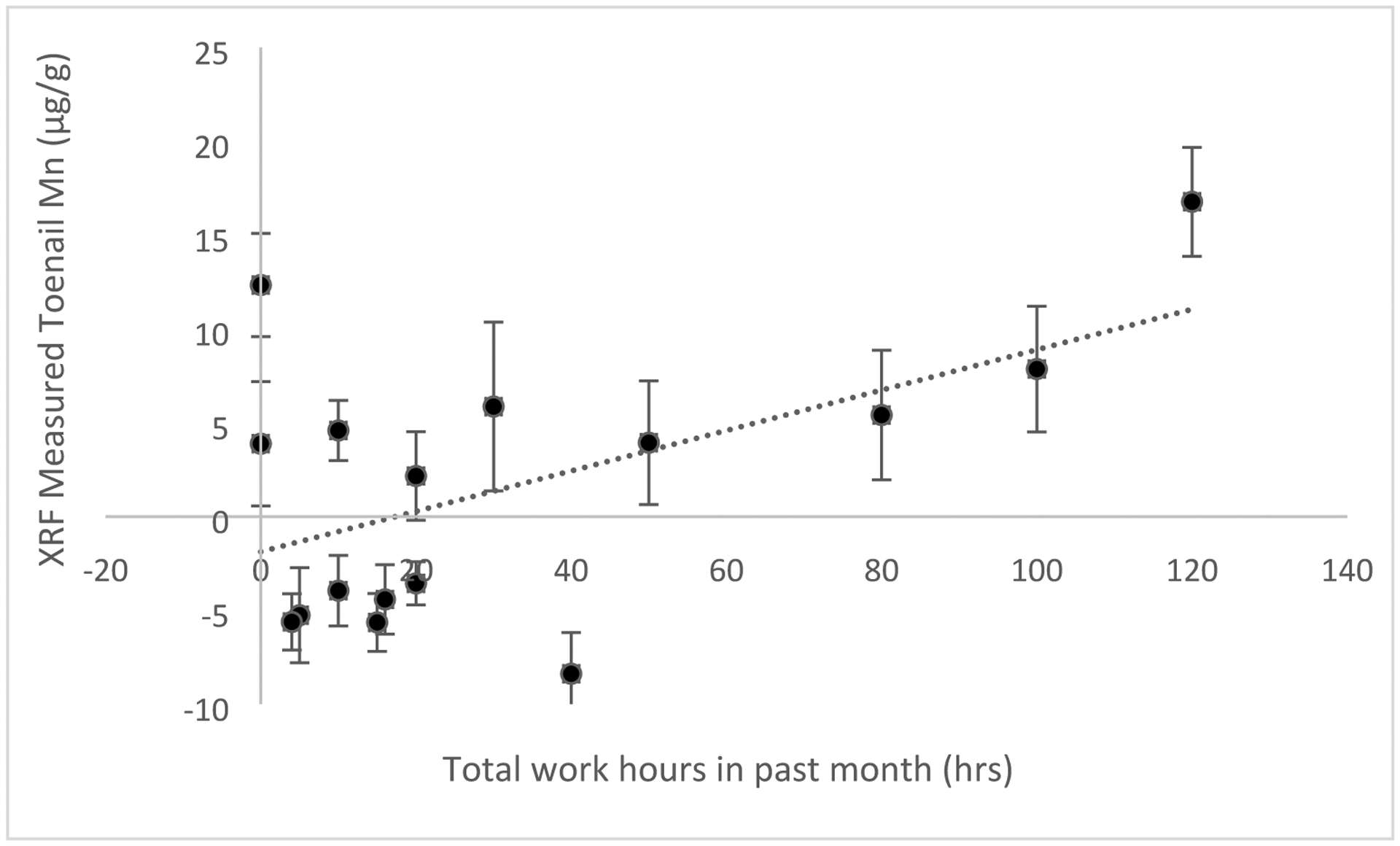
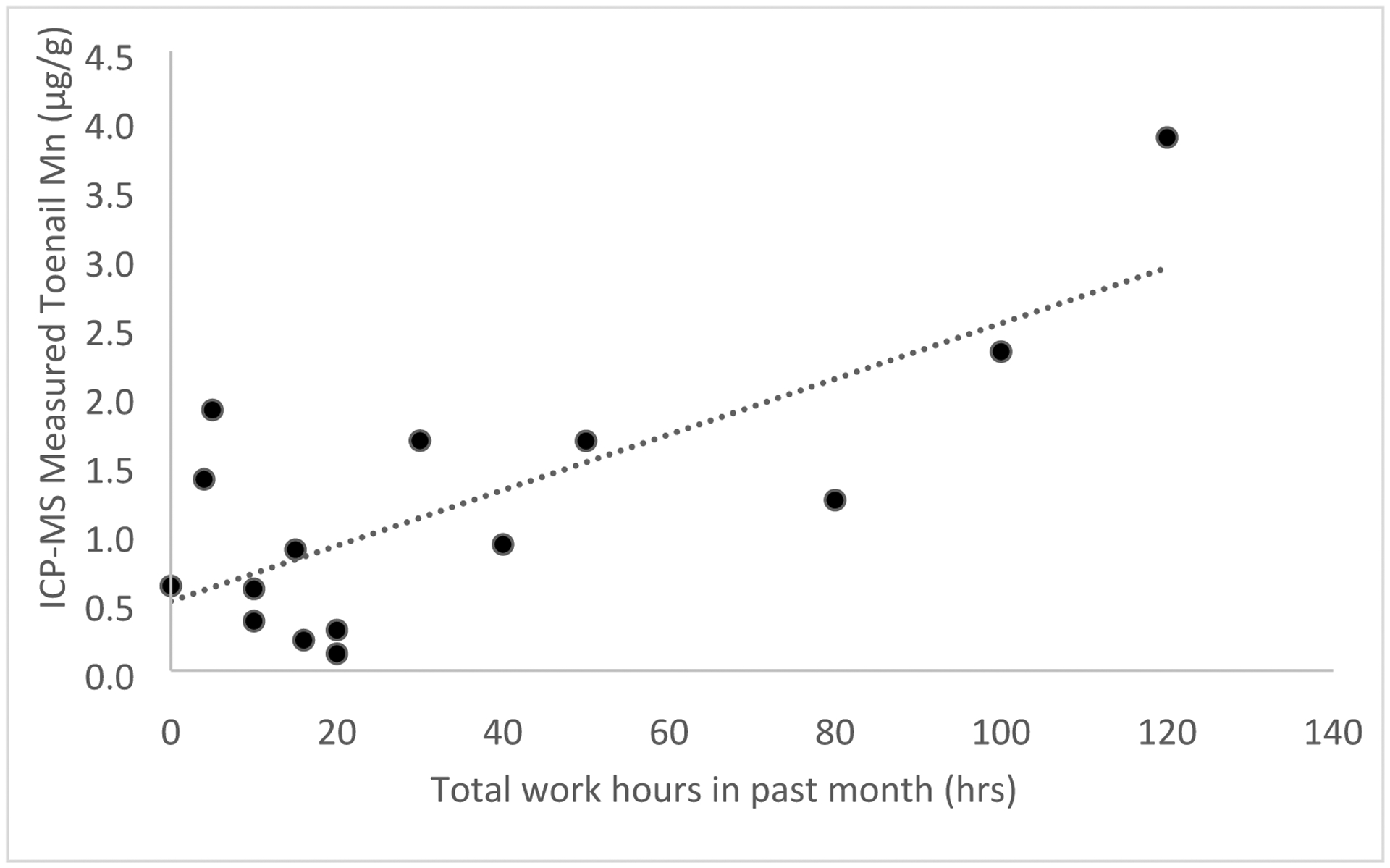
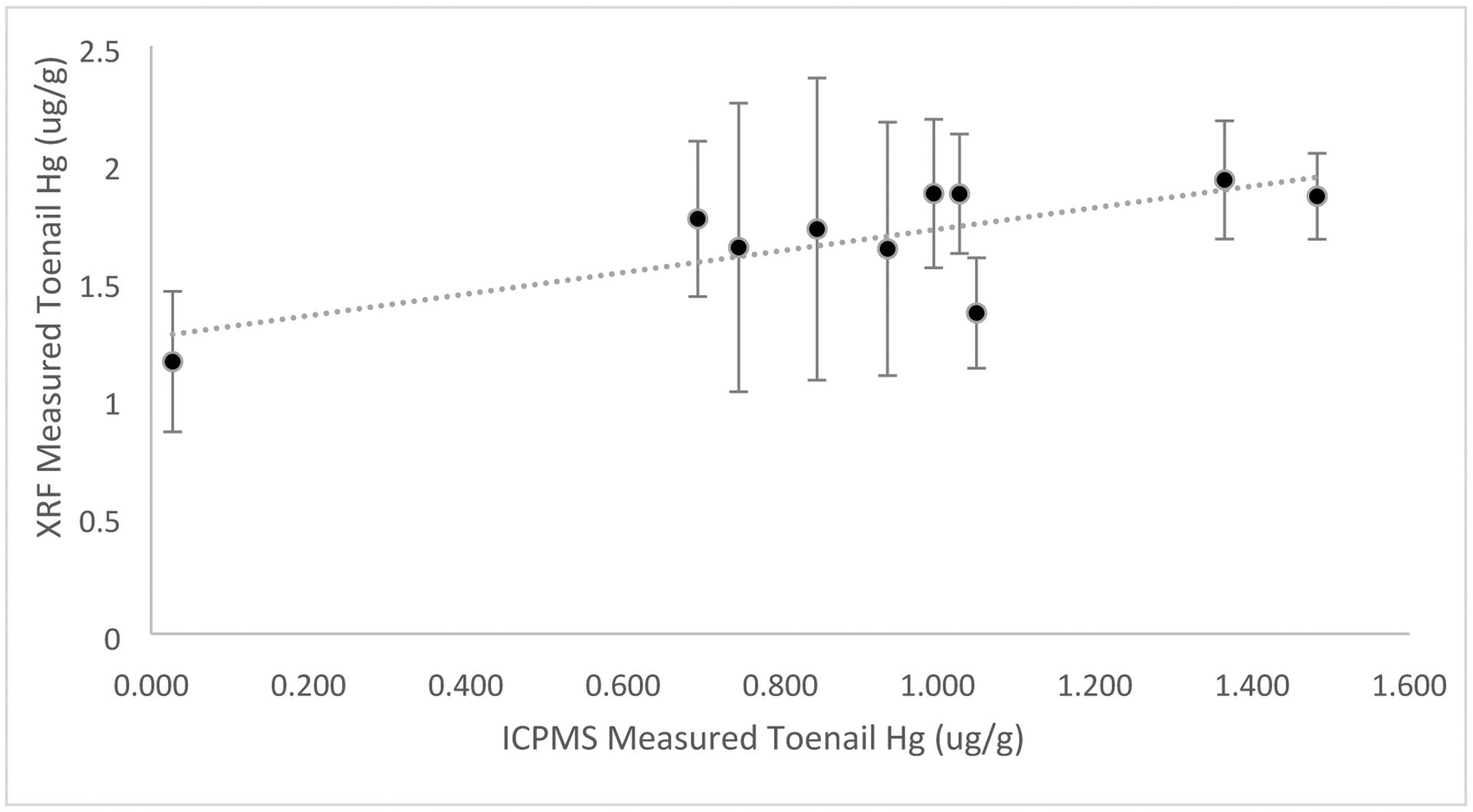
Description:Background and objective: Toenail metal concentrations can be used as an effective biomarker for exposure to environmental toxicants. Typically toenail clippings are measured ex vivo using inductively coupled plasma mass spectrometry (ICP-MS). X-ray fluorescence (XRF) toenail metal measurements done on intact toenails in vivo could be used as an alternative to alleviate some of the disadvantages of ICP-MS. In this study, we assessed the ability to use XRF to measure toenail metal concentrations in real-time without having to clip the toenails (i.e., in vivo) in two occupational settings for exposure assessment of manganese and mercury. Materials and methods: The portable XRF method used a 3-min in vivo measurement of toenails prior to clipping and was assessed against ICP-MS measurement of toenail clippings taken immediately after the XRF measurement and work history for a group of welders (n = 16) assessed for manganese exposure and nail salon workers (n = 10) assessed for mercury exposure. Results and conclusions: We identified that in vivo XRF metal measurements were able to discern exposure to manganese in welders and mercury in nail salon workers. We identified significant positive correlations between ICP-MS of clippings and in vivo XRF measures of both toenail manganese (R = 0.59, p = 0.02) and mercury (R = 0.74, p < 0.001), as well as between in vivo XRF toenail manganese and work history among the welders (R = 0.55, p = 0.03). We identified in vivo XRF detection limits to be 0.5 µg/g for mercury and 2.6 µg/g for manganese. Further work should elucidate differences in the timing of exposure using the in vivo XRF method over toenail clippings and modification of measurement time and x-ray setting to further decrease the detection limit. In vivo portable, XRF measurements can be used to effectively measure toenail Mn and Hg in occupational participants in real-time during study visits and at a fraction of the cost. Description provided by NIOSH
-
Subjects:
-
Keywords:
-
Source:J Expo Sci Environ Epidemiol 2022 May; 32(3):427-433
-
ISSN:1559-0631
-
Pubmed ID:34211112
-
Pubmed Central ID:PMC8720103
-
Document Type:
-
Funding:P42 ES007373/ES/NIEHS NIH HHSUnited States/ ; P30 CA023108/CA/NCI NIH HHSUnited States/ ; T42OH008416/ACL/ACL HHSUnited States/ ; UL1 TR001102/TR/NCATS NIH HHSUnited States/ ; R25 ES023635/ES/NIEHS NIH HHSUnited States/ ; R21 ES024700/ES/NIEHS NIH HHSUnited States/ ; P30 ES000002/ES/NIEHS NIH HHSUnited States/ ; K01 OH011648/OH/NIOSH CDC HHSUnited States/
-
Genre:
-
Place as Subject:
-
CIO:
-
Topic:
-
Location:
-
Pages in Document:21 pdf pages
-
Volume:32
-
Issue:3
-
NIOSHTIC Number:nn:20064895
-
Contact Point Address:Aaron J. Specht, Harvard T.H. Chan School of Public Health, Boston, MA, USA
-
Email:aspecht@hsph.harvard.edu
-
CAS Registry Number:
-
Federal Fiscal Year:2022
-
NORA Priority Area:
-
Performing Organization:Harvard School of Public Health, Boston, Massachusetts
-
Peer Reviewed:True
-
Download URL:
-
File Type:
 [PDF - 680.38 KB]
 -
Collection(s):
-
Main Document Checksum:urn:sha-512:43df85a5a95885a55bb7db616da001fc822606d04785ce717b9146a9d4c523fc1d6dac433353fd5e6ec02b14233f79632f0b9dfc1098a5d28a27ef03c37a579d
Supporting Files


File Language:
English
 Was this page helpful?
 Found an issue?



CDC STACKS serves as an archival repository of CDC-published products including
scientific findings, journal articles, guidelines, recommendations, or other public health information authored or
co-authored by CDC or funded partners.
As a repository, CDC STACKS retains documents in their original published format to ensure public access to scientific information.
As a repository, CDC STACKS retains documents in their original published format to ensure public access to scientific information.
You May Also Like