



Utilization of Blood Culture in South Asia for the Diagnosis and Treatment of Febrile Illness
Supporting Files
Public Domain

-
12 01 2020
-
Available in CDC Stacks on December 01, 2020, 12:00 AM
File Language:
English
Details
-
Alternative Title:Clin Infect Dis
-
Personal Author:
-
Description:Background
Blood culture is the current standard for diagnosing bacteremic illnesses, yet it is not clear how physicians in many low- and middle-income countries utilize blood culture for diagnostic purposes and to inform treatment decisions.
Methods
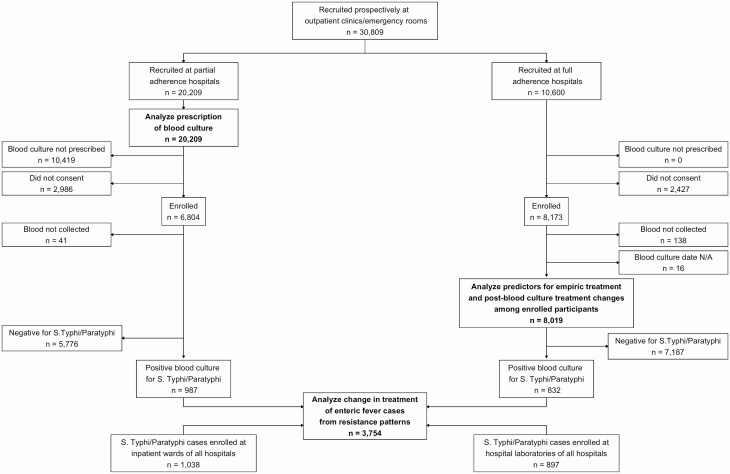
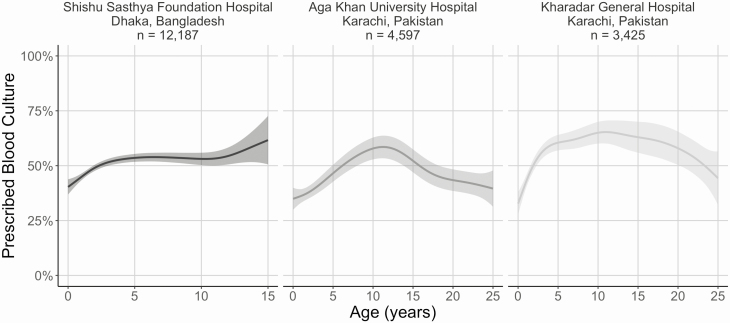
We screened suspected enteric fever cases from 6 hospitals in Bangladesh, Nepal, and Pakistan, and enrolled patients if blood culture was prescribed by the treating physician. We used generalized additive regression models to analyze the probability of receiving blood culture by age, and linear regression models to analyze changes by month to the proportion of febrile cases prescribed a blood culture compared with the burden of febrile illness, stratified by hospital. We used logistic regression to analyze predictors for receiving antibiotics empirically. We descriptively reviewed changes in antibiotic therapy by susceptibility patterns and coverage, stratified by country.
Results
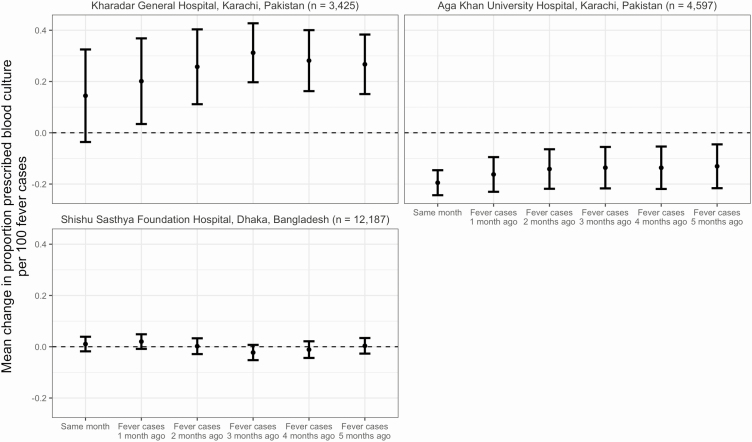
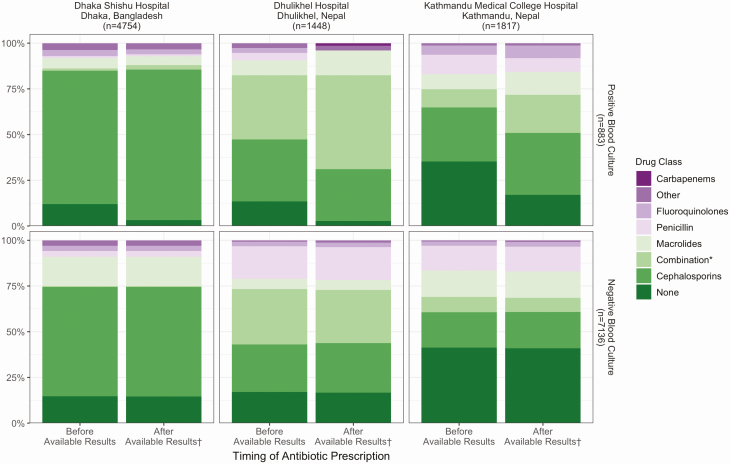
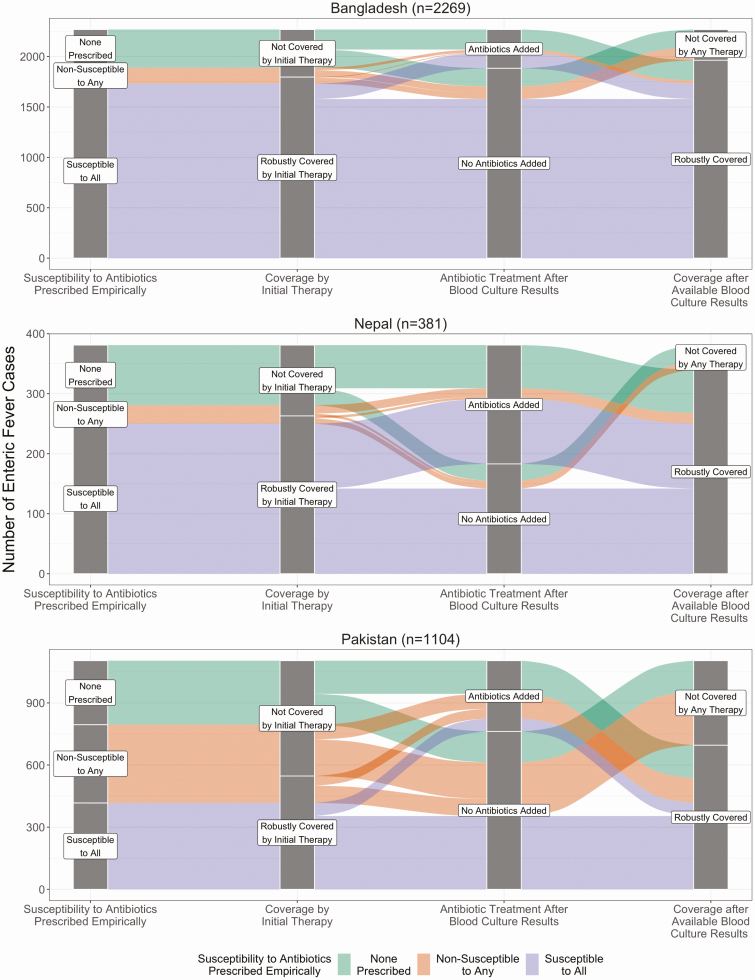
We screened 30 809 outpatients resulting in 1819 enteric fever cases; 1935 additional cases were enrolled from other hospital locations. Younger outpatients were less likely to receive a blood culture. The association between the number of febrile outpatients and the proportion prescribed blood culture varied by hospital. Antibiotics prescribed empirically were associated with severity and provisional diagnoses, but 31% (1147/3754) of enteric fever cases were not covered by initial therapy; this was highest in Pakistan (50%) as many isolates were resistant to cephalosporins, which were commonly prescribed empirically.
Conclusions
Understanding hospital-level communication between laboratories and physicians may improve patient care and timeliness of appropriate antibiotics, which is important considering the rise of antimicrobial resistance. -
Subjects:
-
Source:Clin Infect Dis. 2020; 71(Suppl 3):S266-S275
-
Pubmed ID:33258939
-
Pubmed Central ID:PMC7705874
-
Document Type:
-
Place as Subject:
-
Volume:71
-
Download URL:
-
File Type:
 [PDF - 6.24 MB]
 -
Collection(s):
-
Main Document Checksum:urn:sha256:7c1314a870d3659413e6faa43501c5c89aa1429ddae489aaf03b59c278d101fd
Supporting Files


File Language:
English
 Was this page helpful?
 Found an issue?


CDC STACKS serves as an archival repository of CDC-published products including
scientific findings, journal articles, guidelines, recommendations, or other public health information authored or
co-authored by CDC or funded partners.
As a repository, CDC STACKS retains documents in their original published format to ensure public access to scientific information.
As a repository, CDC STACKS retains documents in their original published format to ensure public access to scientific information.
You May Also Like
COLLECTION
CDC Public Access