



Occurrence of vancomycin-resistant and -susceptible Enterococcus spp. in reclaimed water used for spray irrigation
Supporting Files

-
5 2016
-
Available in CDC Stacks on 2021-06-24T00:00:00Z
File Language:
English
Details
-
Alternative Title:Environ Res
-
Personal Author:
-
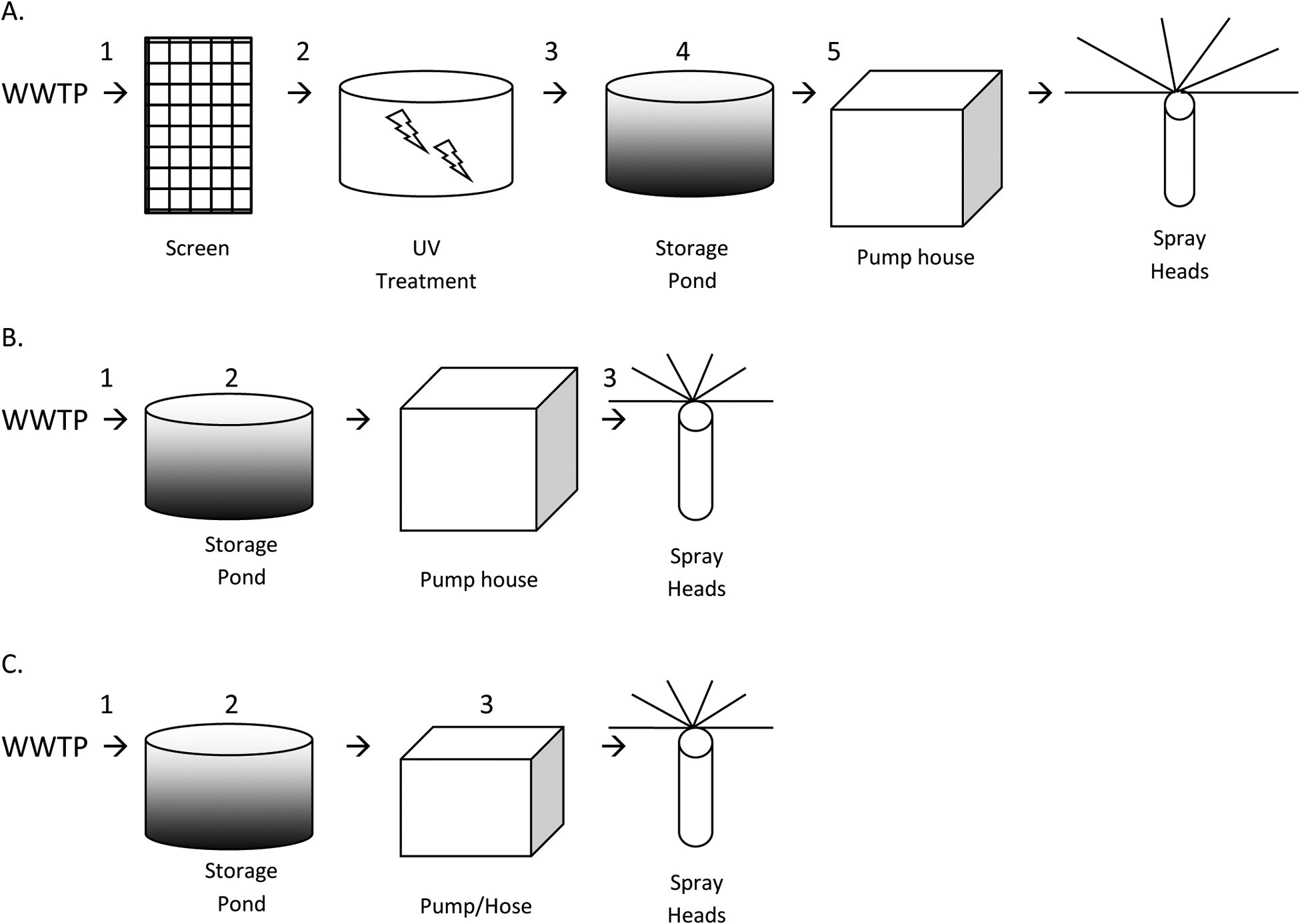
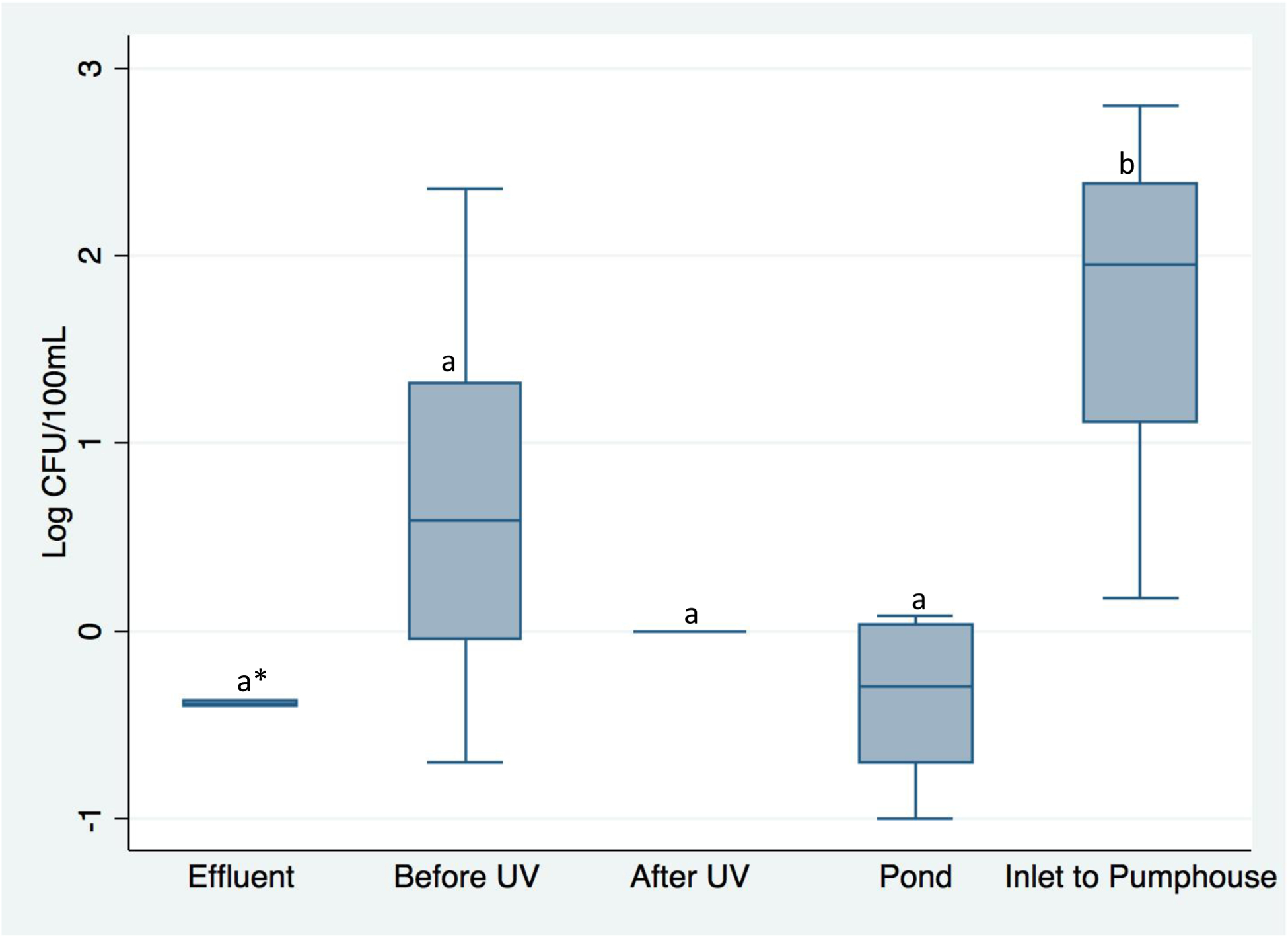
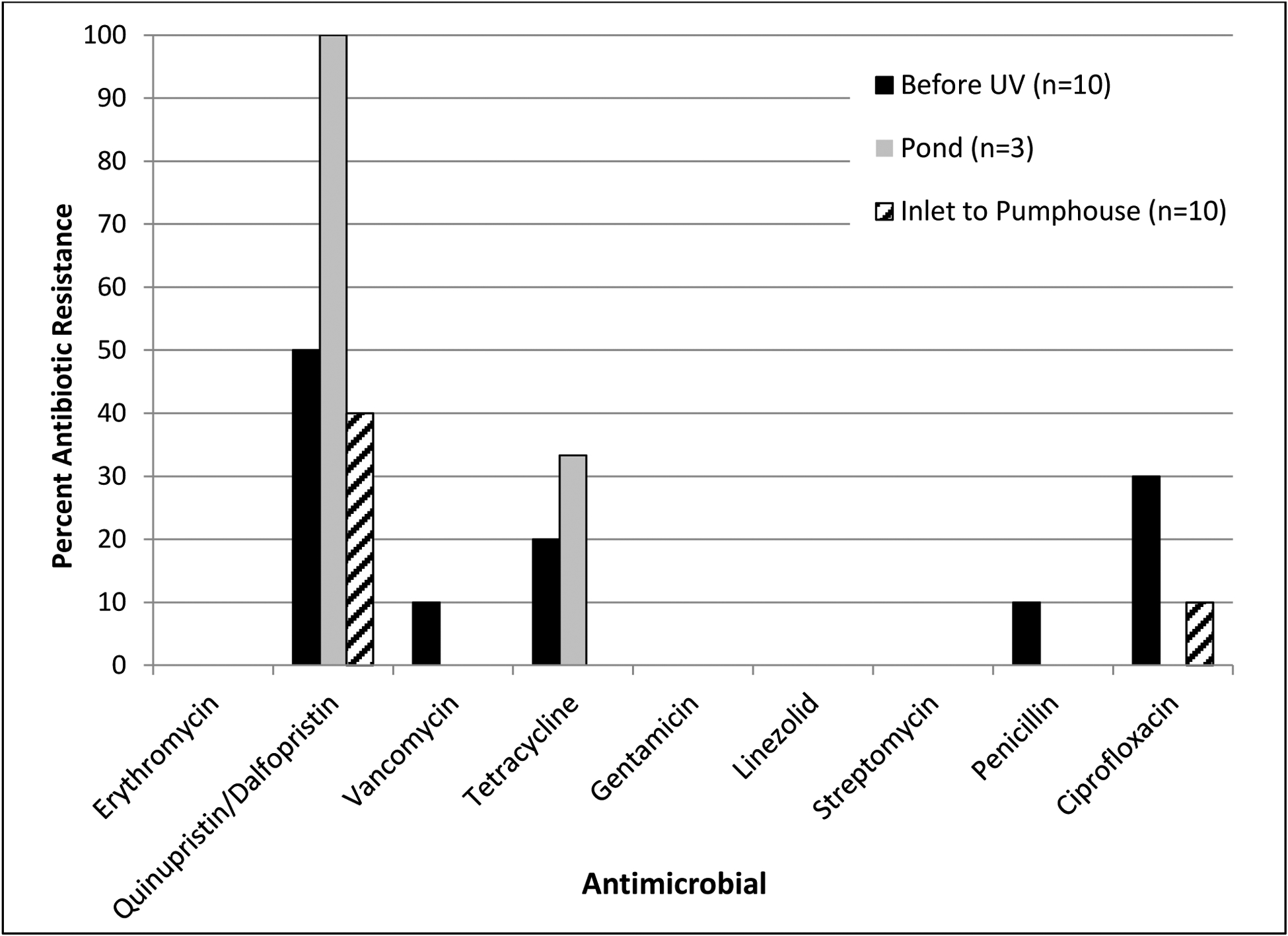
Description:Reclaiming municipal wastewater for agricultural, environmental, and industrial purposes is increasing in the United States to combat dwindling freshwater supplies. However, there is a lack of data regarding the microbial quality of reclaimed water. In particular, no previous studies have evaluated the occurrence of vancomycin-resistant enterococci (VRE) in reclaimed water used at spray irrigation sites in the United States. To address this knowledge gap, we investigated the occurrence, concentration, and antimicrobial resistance patterns of VRE and vancomycin-susceptible enterococci at three U.S. spray irrigation sites that use reclaimed water. We collected 48 reclaimed water samples from one Mid-Atlantic and two Midwest spray irrigation sites, as well as their respective wastewater treatment plants, in 2009 and 2010. Samples were analyzed for total enterococci and VRE using standard membrane filtration. Isolates were purified and then confirmed using biochemical tests and PCR. Antimicrobial susceptibility testing was conducted using the Sensititre® microbroth dilution system. Data were analyzed by two-sample proportion tests and one-way analysis of variance. We detected total enterococci and VRE in 71% (34/48) and 4% (2/48) of reclaimed water samples, respectively. Enterococcus faecalis was the most common species identified. At the Mid-Atlantic spray irrigation site, UV radiation decreased total enterococci to undetectable levels; however, subsequent storage in an open-air pond at this site resulted in increased concentrations of enterococci. E. faecalis isolates recovered from the Mid-Atlantic spray irrigation site expressed intrinsic resistance to quinupristin/dalfopristin; however, non-E. faecalis isolates expressed resistance to quinupristin/dalfopristin (52% of isolates), vancomycin (4%), tetracycline (13%), penicillin (4%) and ciprofloxacin (17%). Our findings show that VRE are present in low numbers in reclaimed water at point-of-use at the sampled spray irrigation sites; however, resistance to other antimicrobial classes is more prevalent, particularly among non-E. faecalis isolates.
-
Subjects:
-
Keywords:
-
Source:Environ Res. 147:350-355
-
Pubmed ID:26942838
-
Pubmed Central ID:PMC8223762
-
Document Type:
-
Funding:
-
Place as Subject:
-
Volume:147
-
Download URL:
-
File Type:
 [PDF - 710.93 KB]
 -
Collection(s):
-
Main Document Checksum:urn:sha256:368e93e717237d6427486b8ce8de6adb5cc921ca3c00c9cf330ea63d8c44ea3e
Supporting Files


File Language:
English
 Was this page helpful?
 Found an issue?


CDC STACKS serves as an archival repository of CDC-published products including
scientific findings, journal articles, guidelines, recommendations, or other public health information authored or
co-authored by CDC or funded partners.
As a repository, CDC STACKS retains documents in their original published format to ensure public access to scientific information.
As a repository, CDC STACKS retains documents in their original published format to ensure public access to scientific information.
You May Also Like
COLLECTION
CDC Public Access