


A quantitative method to detect human exposure to sulfur and nitrogen mustards via protein adducts
Supporting Files

-
May 05 2019
File Language:
English
Details
-
Alternative Title:J Chromatogr B Analyt Technol Biomed Life Sci
-
Personal Author:
-
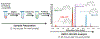
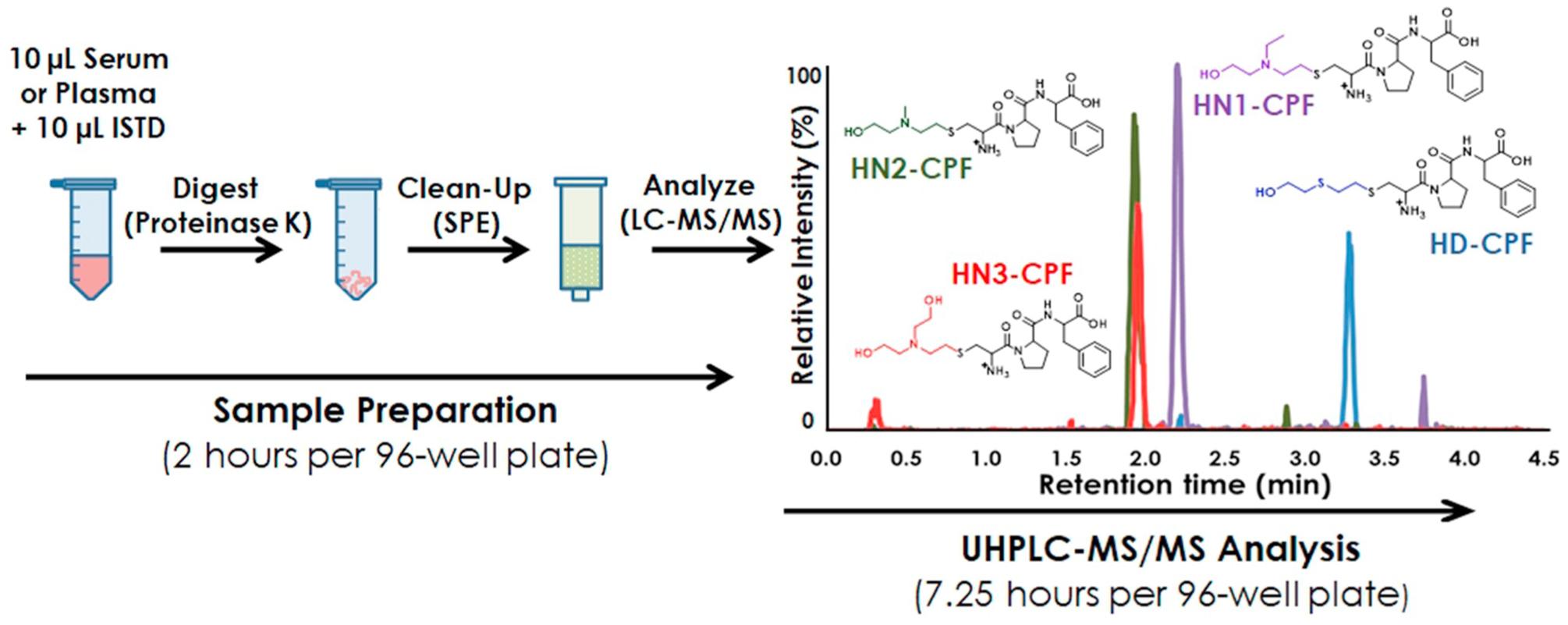
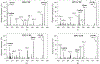
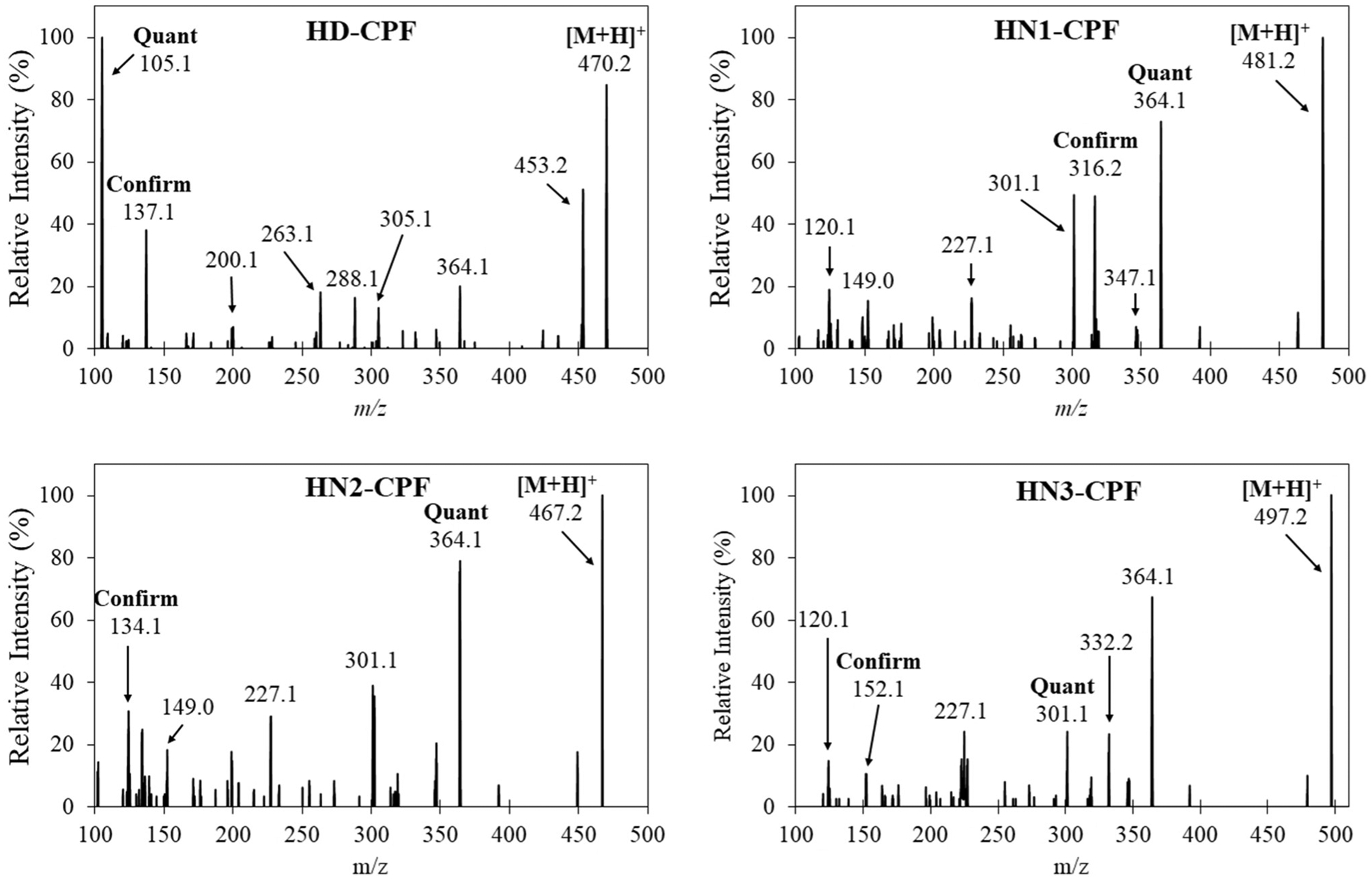
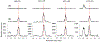
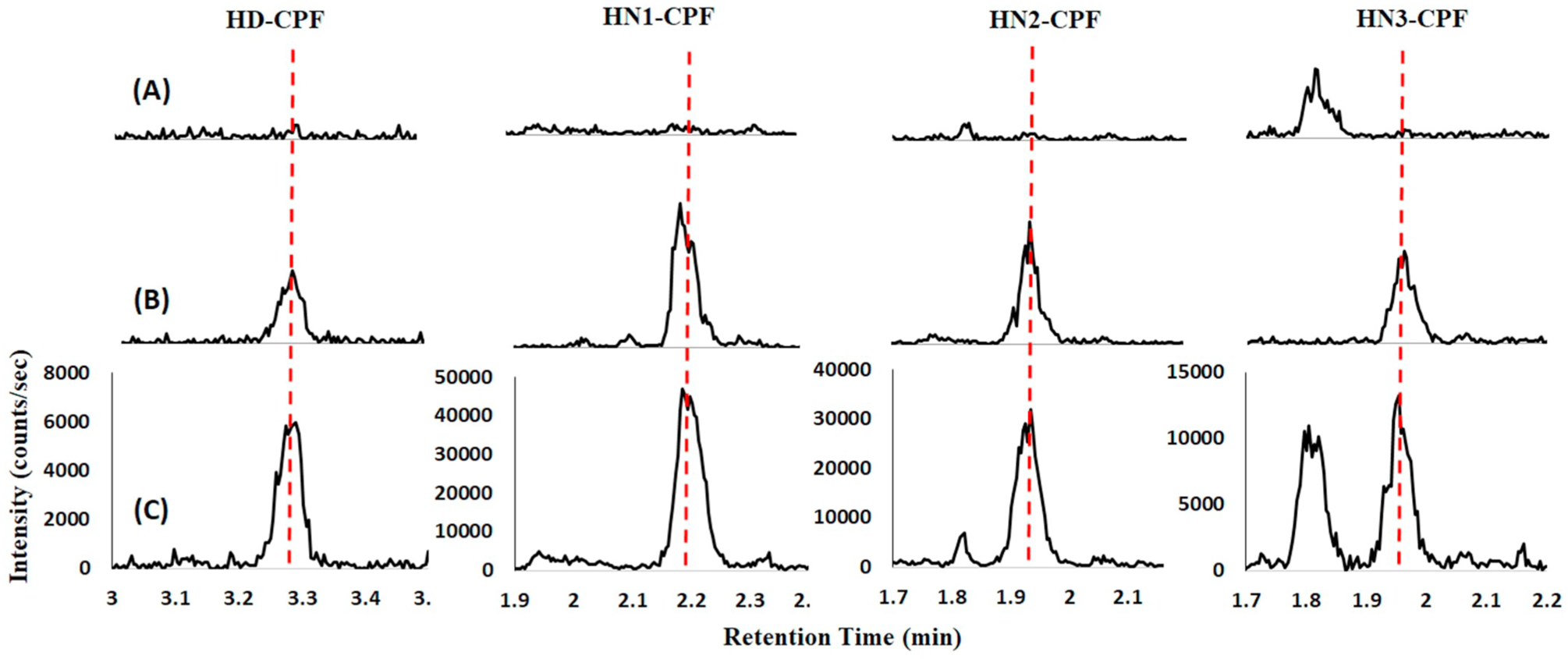
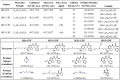
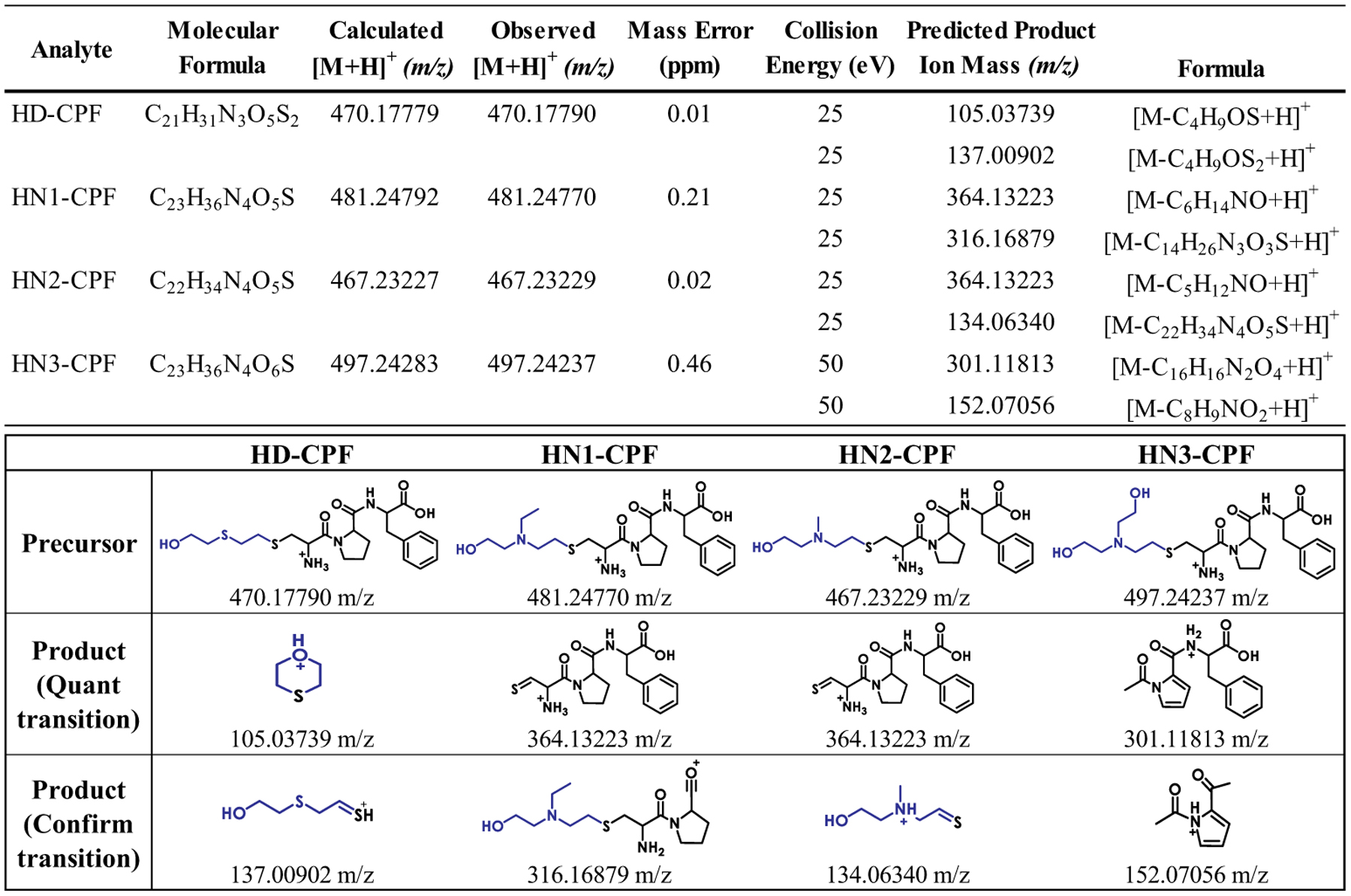
Description:Sulfur and nitrogen mustards are internationally banned vesicants listed as Schedule 1 chemical agents in the Chemical Weapons Convention. These compounds are highly reactive electrophiles that form stable adducts to a variety of available amino acid residues on proteins upon exposure. We present a quantitative exposure assay that simultaneously measures agent specific protein adducts to cysteine for sulfur mustard (HD) and three nitrogen mustards (HN1, HN2, and HN3). Proteinase K was added to a serum or plasma sample to digest protein adducts and form the target analyte, the blister agent bound to the tripeptide cysteine-proline-phenylalanine (CPF). The mustard adducted-tripeptide was purified by solid phase extraction and analyzed using isotope dilution LC-MS/MS. Product ion structures were identified using high-resolution product ion scan data for HD-CPF, HN1-CPF, HN2-CPF, and HN3-CPF. Thorough matrix comparison, analyte recovery, ruggedness, and stability studies were incorporated during method validation to produce a robust method. The method demonstrated long term-stability, precision (RSD < 15%), and intra- and inter-day accuracies > 85% across the reportable range of 3.00-200 ng/mL for each analyte. Compared to previously published assays, this method quantitates both sulfur and nitrogen mustard exposure biomarkers, requires only 10 μL of sample volume, and can use either a liquid sample or dried sample spot.
-
Subjects:
-
Source:J Chromatogr B Analyt Technol Biomed Life Sci. 1121:9-17
-
Pubmed ID:31082684
-
Pubmed Central ID:PMC8054111
-
Document Type:
-
Funding:
-
Volume:1121
-
Collection(s):
-
Main Document Checksum:urn:sha256:097e919a2b988de4823b21312b7925e13a549463b230f4dc9848f5455da9278e
-
Download URL:
-
File Type:
 [PDF
- 1.11 MB
]
[PDF
- 1.11 MB
]
Supporting Files


File Language:
English
ON THIS PAGE

CDC STACKS serves as an archival repository of CDC-published products including
scientific findings,
journal articles, guidelines, recommendations, or other public health information authored or
co-authored by CDC or funded partners.
As a repository, CDC STACKS retains documents in their original published format to ensure public access to scientific information.
As a repository, CDC STACKS retains documents in their original published format to ensure public access to scientific information.
You May Also Like
COLLECTION
CDC Public Access