


Comparison of strategies to efficiently combine repeated urine samples in biomarker-based studies
Supporting Files

-
1 2021
File Language:
English
Details
-
Alternative Title:Environ Res
-
Personal Author:
-
Description:Background:
In biomarker-based studies, collecting repeated biospecimens per participant can decrease measurement error, particularly for biomarkers displaying high within-subject variability. Guidelines to combine such repeated biospecimens do not exist.
Aims:
To compare the efficiency of several designs relying on repeated biospecimens to estimate exposure over 7 days.
Methods:
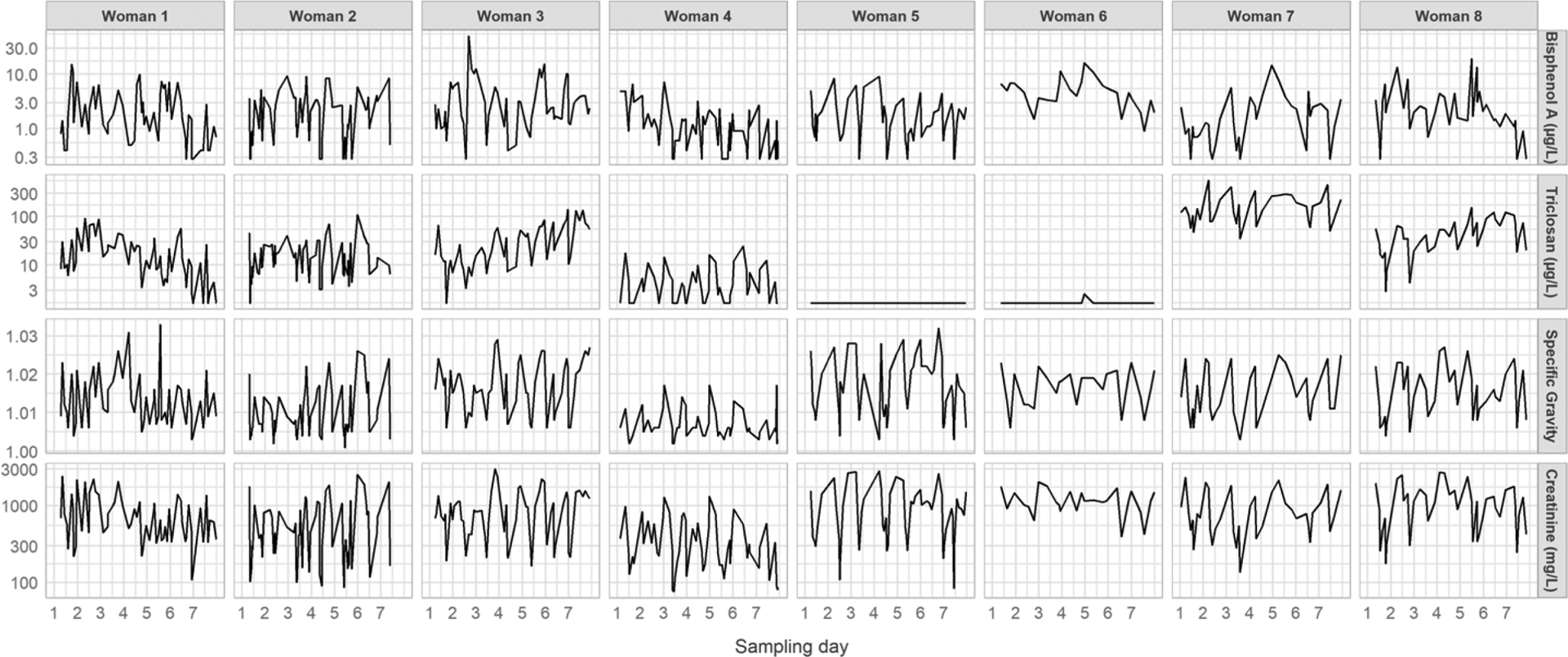
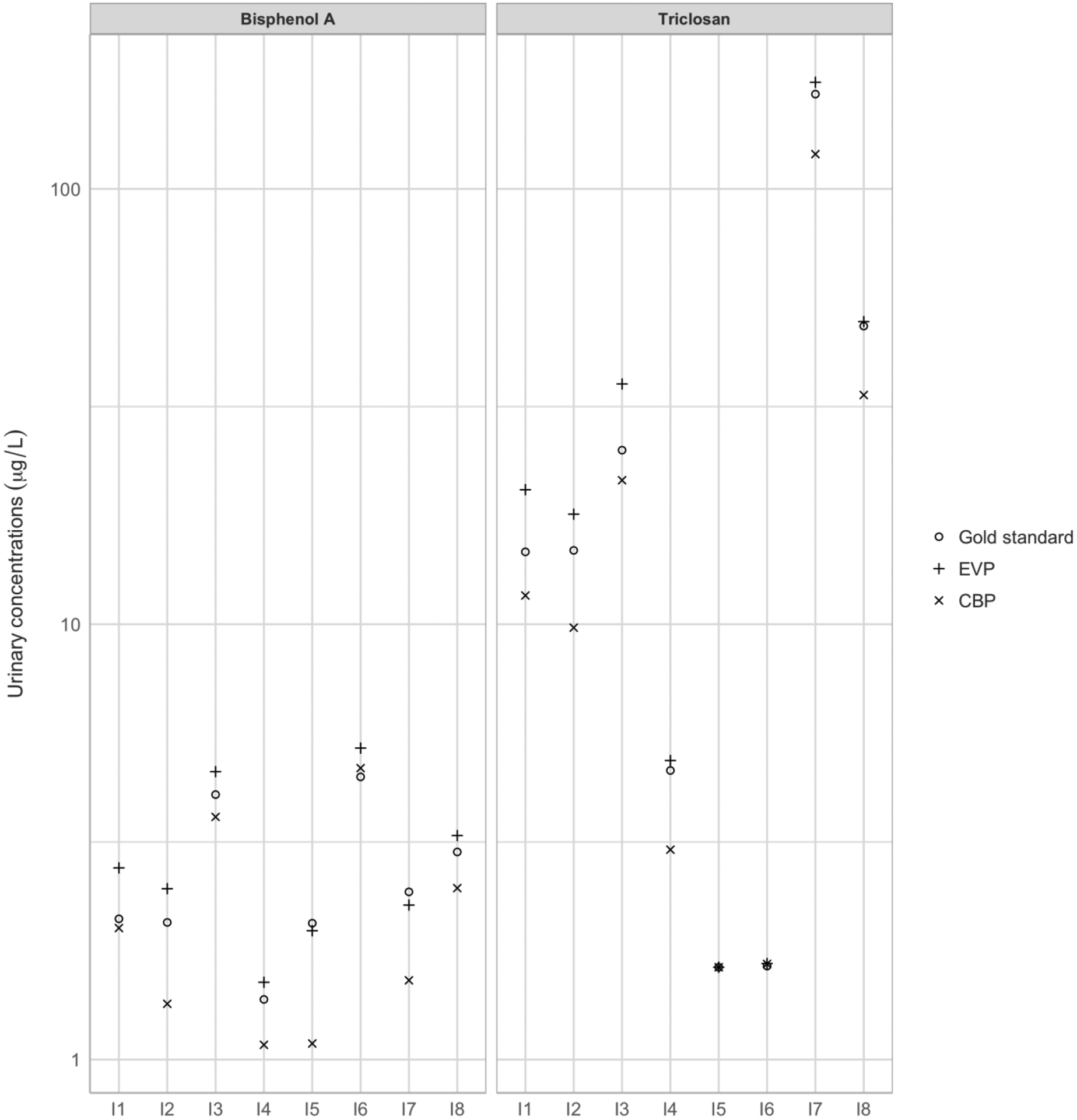
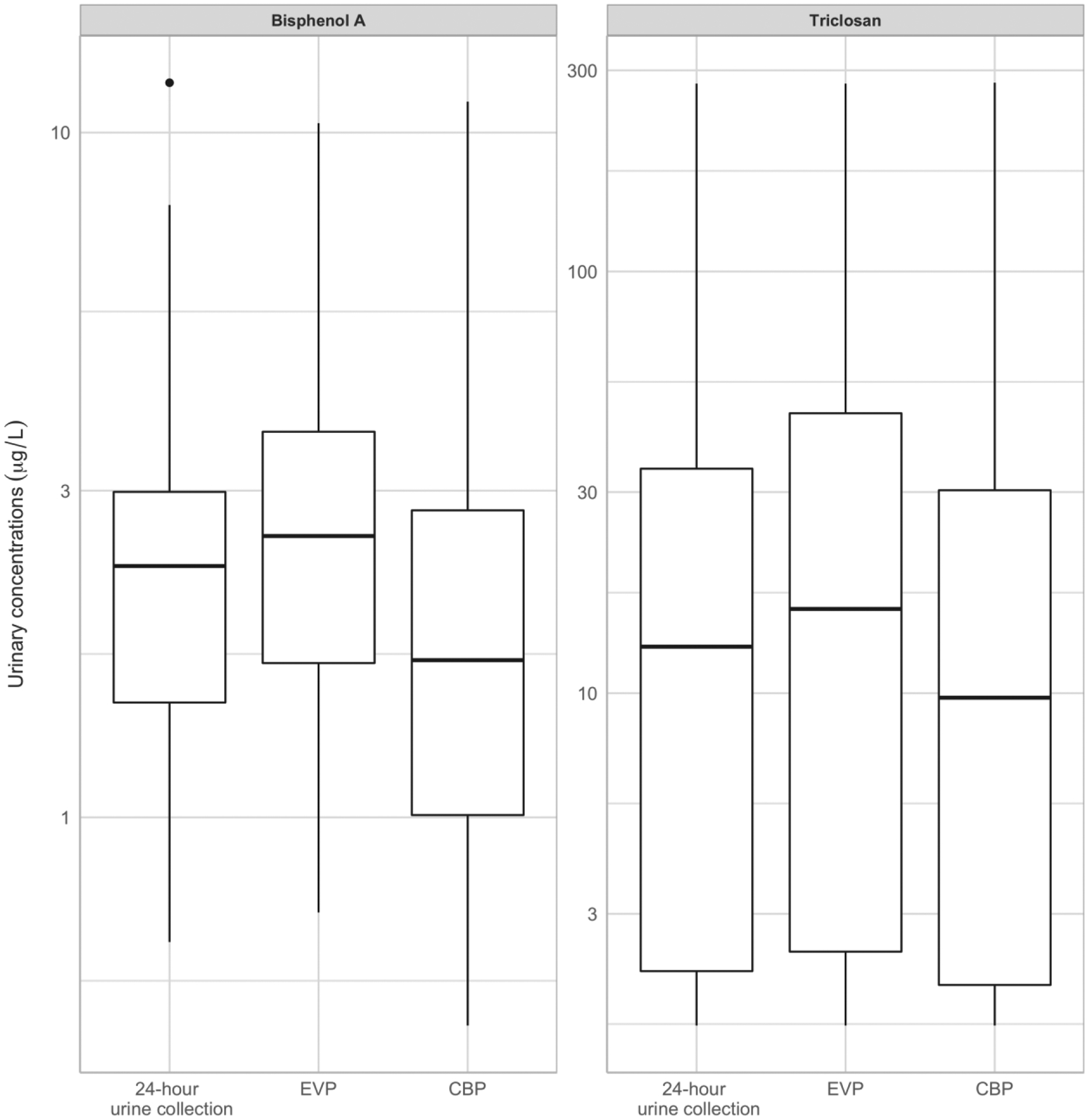
We quantified triclosan and bisphenol A (BPA) in all urine voids (N=427) collected over seven days from eight individuals. We estimated the volume-weighted concentrations for all urine samples collected during a week and compared these gold standards with the concentrations obtained for equal-volume pools (standardized or not for urine dilution), unequal-volume pools (based on sample volume or creatinine concentration), and for the mean of the creatinine-standardized concentrations measured in each spot sample.
Results:
For both chemicals, correlations with gold standards were similar for equal- and unequal-volume pooling designs. Only for BPA, correlation coefficients were markedly lower after standardization for specific gravity or creatinine of concentrations estimated in equal-volume pools. Averaging BPA creatinine-standardized concentrations measured in each spot sample led also to lower correlations with gold standards compared to those obtained for unstandardized pooling designs.
Conclusion:
For BPA and triclosan, considering individual urine sample volume or creatinine concentrations when pooling is unnecessary because equal-volume pool adequately estimates concentrations in gold standards. Standardization for specific gravity or creatinine of the concentrations assessed in equal-volume pool as well as averaging creatinine-standardized concentrations measured in each individual spot sample are not suitable for BPA. These results provide a practical framework on how to combine repeated biospecimens in epidemiological studies.
-
Subjects:
-
Source:Environ Res. 192:110275
-
Pubmed ID:33022216
-
Pubmed Central ID:PMC7879377
-
Document Type:
-
Funding:
-
Volume:192
-
Collection(s):
-
Main Document Checksum:urn:sha256:61e237dbfef2037f76f1af6dbd24c313d8b94fc92b8c3b78f1eb41e9005240b1
-
Download URL:
-
File Type:
 [PDF
- 633.42 KB
]
[PDF
- 633.42 KB
]
Supporting Files


File Language:
English
ON THIS PAGE


CDC STACKS serves as an archival repository of CDC-published products including
scientific findings,
journal articles, guidelines, recommendations, or other public health information authored or
co-authored by CDC or funded partners.
As a repository, CDC STACKS retains documents in their original published format to ensure public access to scientific information.
As a repository, CDC STACKS retains documents in their original published format to ensure public access to scientific information.
You May Also Like
COLLECTION
CDC Public Access