



Structure and Function of the calcium-selective TRP channel TRPV6
Supporting Files

-
5 2021
File Language:
English
Details
-
Journal Article:J Physiol
-
Personal Author:
-
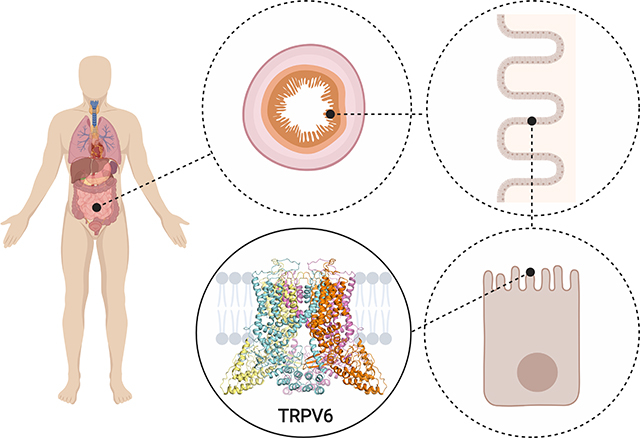
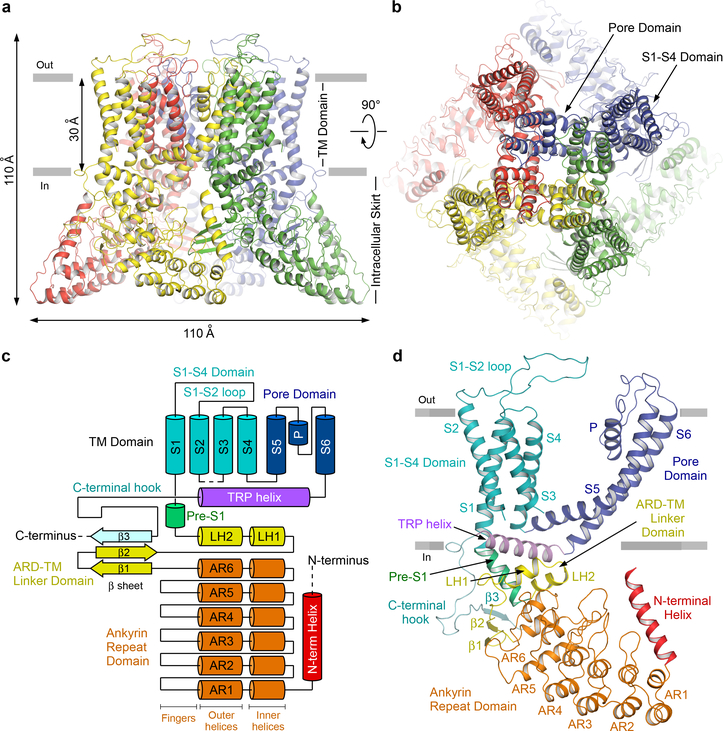
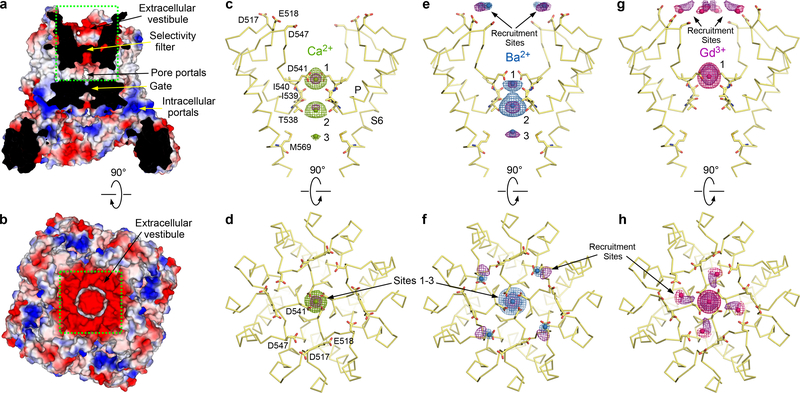
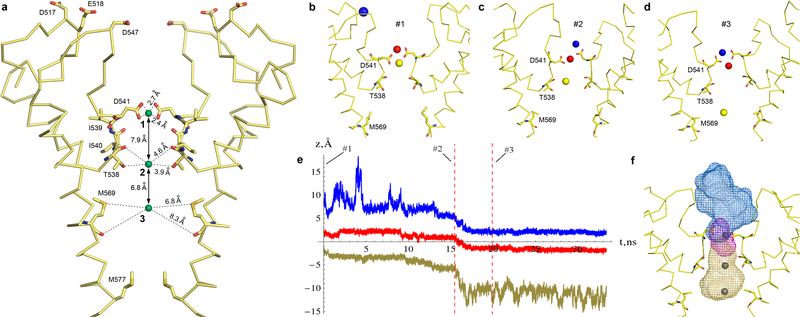
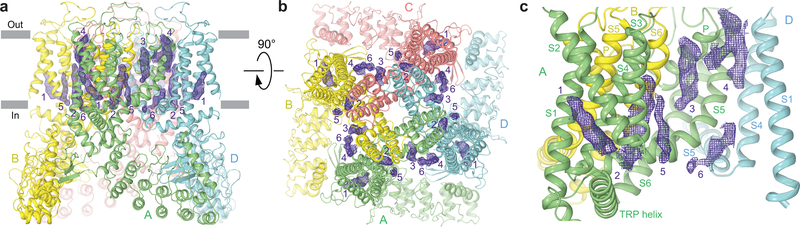
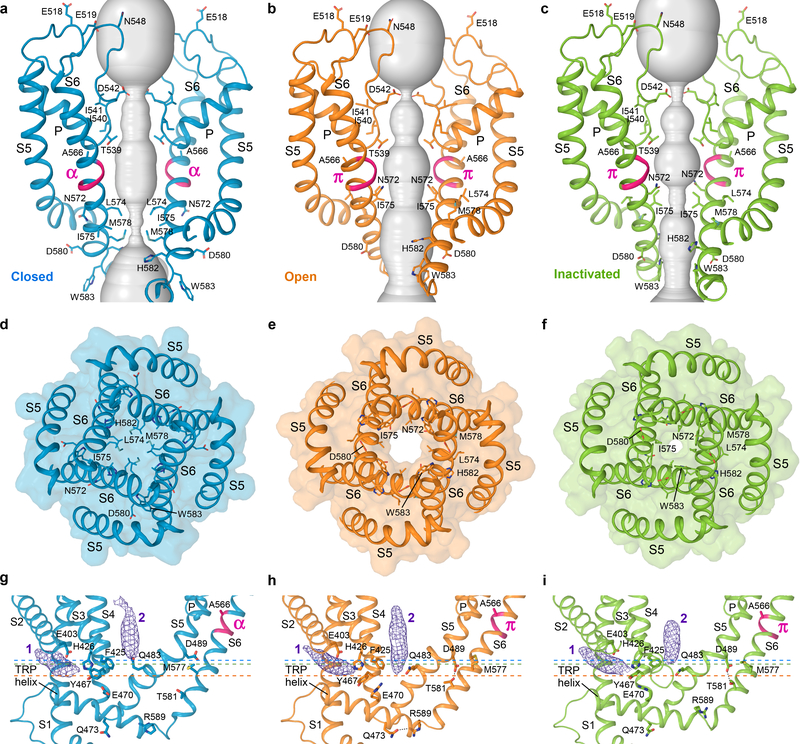
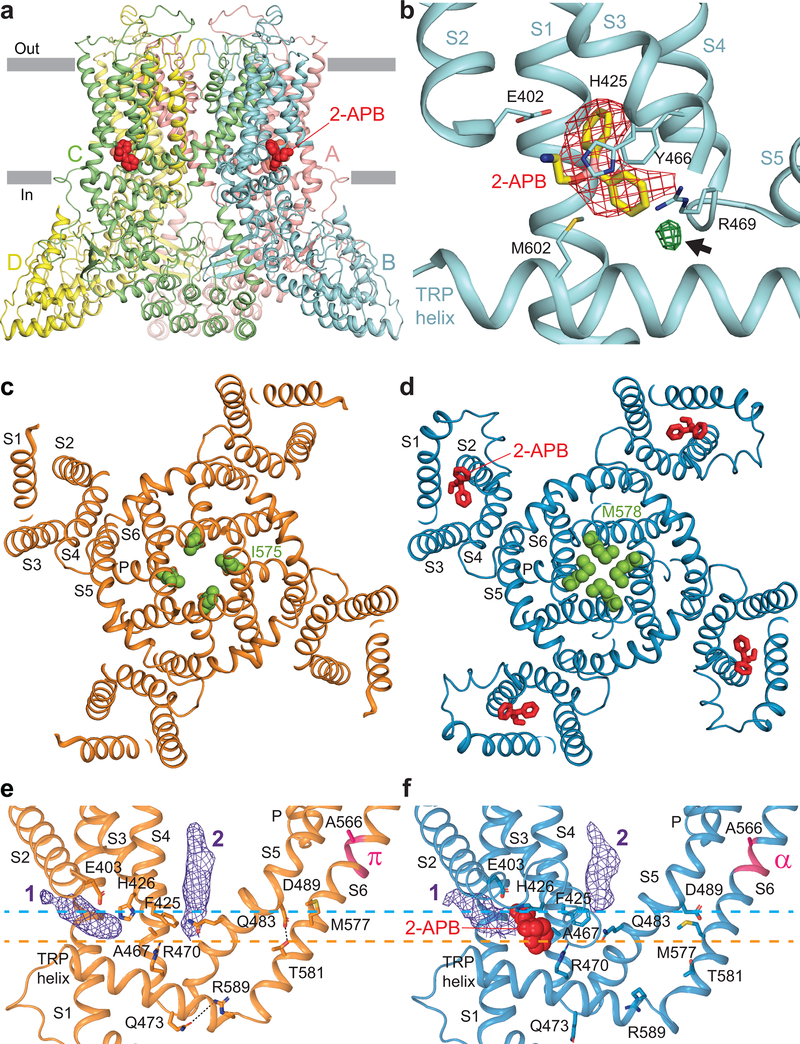
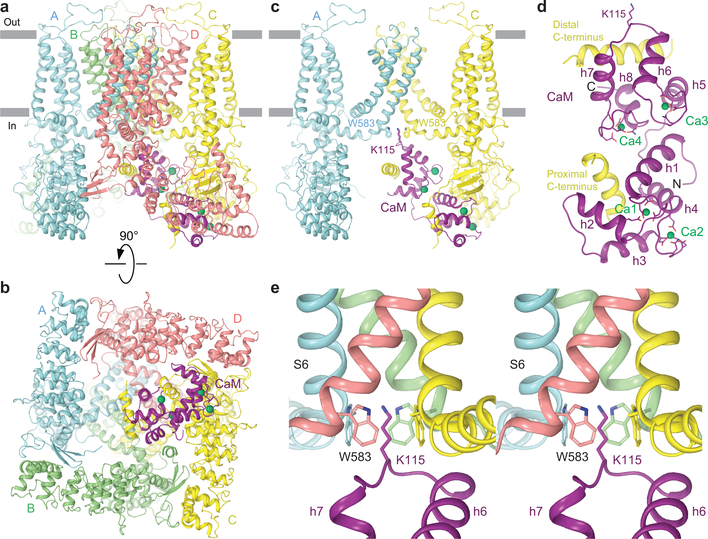
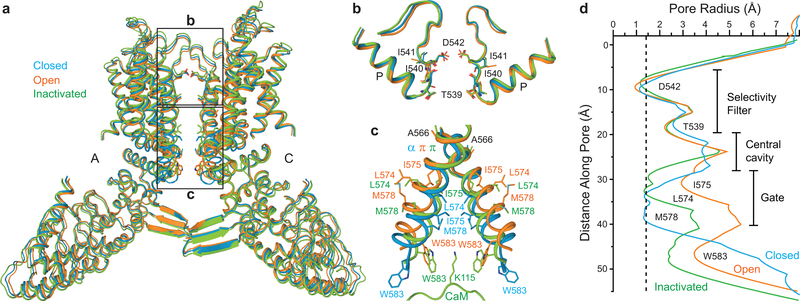
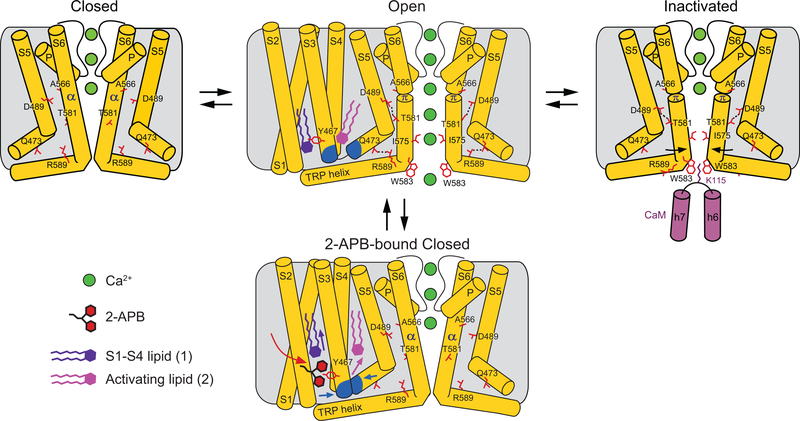
Description:Epithelial calcium channel TRPV6 is a member of the vanilloid subfamily of TRP channels that is permeable to cations and highly selective to Ca| ; it shows constitutive activity regulated negatively by Ca| and positively by phosphoinositol and cholesterol lipids. In this review, we describe the molecular structure of TRPV6 and discuss how its structural elements define its unique functional properties. High Ca| selectivity of TRPV6 originates from the narrow selectivity filter, where Ca| ions are directly coordinated by a ring of anionic aspartate side chains. Divalent cations Ca| and Ba| permeate TRPV6 pore according to the knock-off mechanism, while tight binding of Gd| to the aspartate ring blocks the channel and prevents Na| from permeating the pore. The iris-like channel opening is accompanied by an α-to-π helical transition in the pore-lining transmembrane helix S6. As a result of this transition, the intracellular halves of the S6 helices bend and rotate by about 100 deg, exposing different residues to the channel pore in the open and closed states. Channel opening is also associated with changes in occupancy of the transmembrane domain lipid binding sites. The inhibitor 2-aminoethoxydiphenyl borate (2-APB) binds to TRPV6 in a pocket formed by the cytoplasmic half of the S1-S4 transmembrane helical bundle and shifts open-closed channel equilibrium towards the closed state by outcompeting lipids critical for activation. Ca| inhibits TRPV6 via binding to calmodulin (CaM), which mediates Ca| -dependent inactivation. The TRPV6-CaM complex exhibits 1:1 stoichiometry; one TRPV6 tetramer binds both CaM lobes, which adopt a distinct head-to-tail arrangement. The CaM C-terminal lobe plugs the channel through a unique cation-π interaction by inserting the side chain of lysine K115 into a tetra-tryptophan cage at the ion channel pore intracellular entrance. Recent studies of TRPV6 structure and function described in this review advance our understanding of the role of this channel in physiology and pathophysiology and inform new therapeutic design.
-
Subjects:
-
Source:J Physiol. 599(10):2673-2697
-
DOI:
-
Pubmed ID:32073143
-
Pubmed Central ID:PMC7689878
-
Document Type:
-
Funding:R01 CA206573/GF/NIH HHSUnited States/ ; R01 NS083660/GF/NIH HHSUnited States/ ; 1818213/CD/ODCDC CDC HHSUnited States/ ; R01 CA206573/CA/NCI NIH HHSUnited States/ ; CA206573/CA/NCI NIH HHSUnited States/ ; R01 NS107253/NS/NINDS NIH HHSUnited States/ ; NS107253/NS/NINDS NIH HHSUnited States/ ; R01 NS083660/NS/NINDS NIH HHSUnited States/ ; R01 GM128195/GF/NIH HHSUnited States/ ; R01 NS107253/GF/NIH HHSUnited States/ ; R01 GM128195/GM/NIGMS NIH HHSUnited States/
-
Genre:
-
Volume:599
-
Issue:10
-
Collection(s):
-
Main Document Checksum:urn:sha-512:e7520386fae111dafa823946e7ffc90637c9cdf13a51335acd162032e7396eeffeeadabc45c9ecfac7e8c5b6d94bae43382e9e70aa46230434073a8048aaf49f
-
Download URL:
-
File Type:
 [PDF
- 4.64 MB
]
[PDF
- 4.64 MB
]
Supporting Files


File Language:
English
 Was this page helpful?
 Found an issue?
CDC STACKS serves as an archival repository of CDC-published products including
scientific findings,
journal articles, guidelines, recommendations, or other public health information authored or
co-authored by CDC or funded partners.
As a repository, CDC STACKS retains documents in their original published format to ensure public access to scientific information.
As a repository, CDC STACKS retains documents in their original published format to ensure public access to scientific information.
You May Also Like
COLLECTION
CDC Public Access