



Respiratory Health Effects of Exposure to Ambient Particulate Matter and Bioaerosols
Supporting Files

-
12 18 2019
-
Available in CDC Stacks on October 13, 2020, 12:00 AM
File Language:
English
Details
-
Alternative Title:Compr Physiol
-
Personal Author:
-
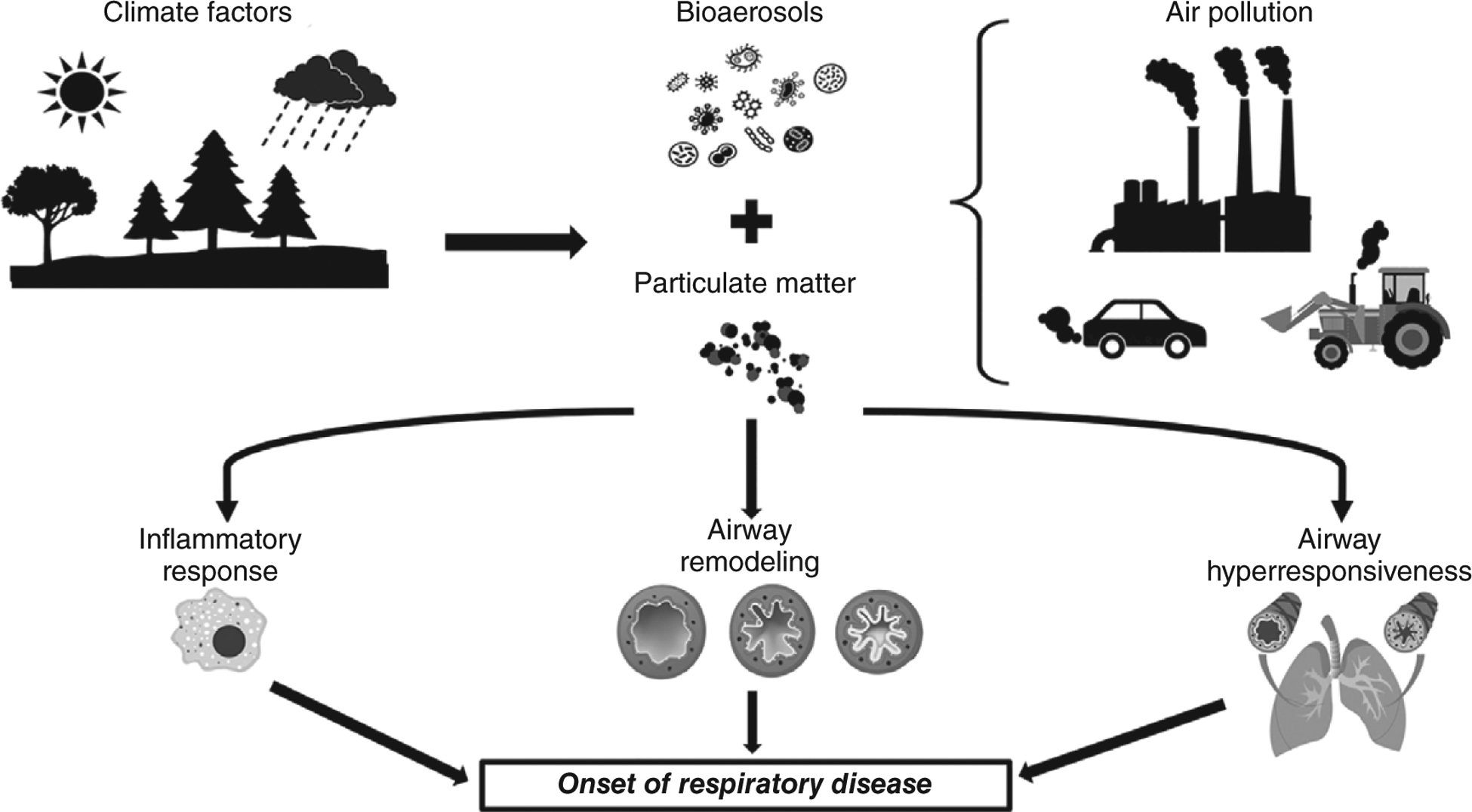
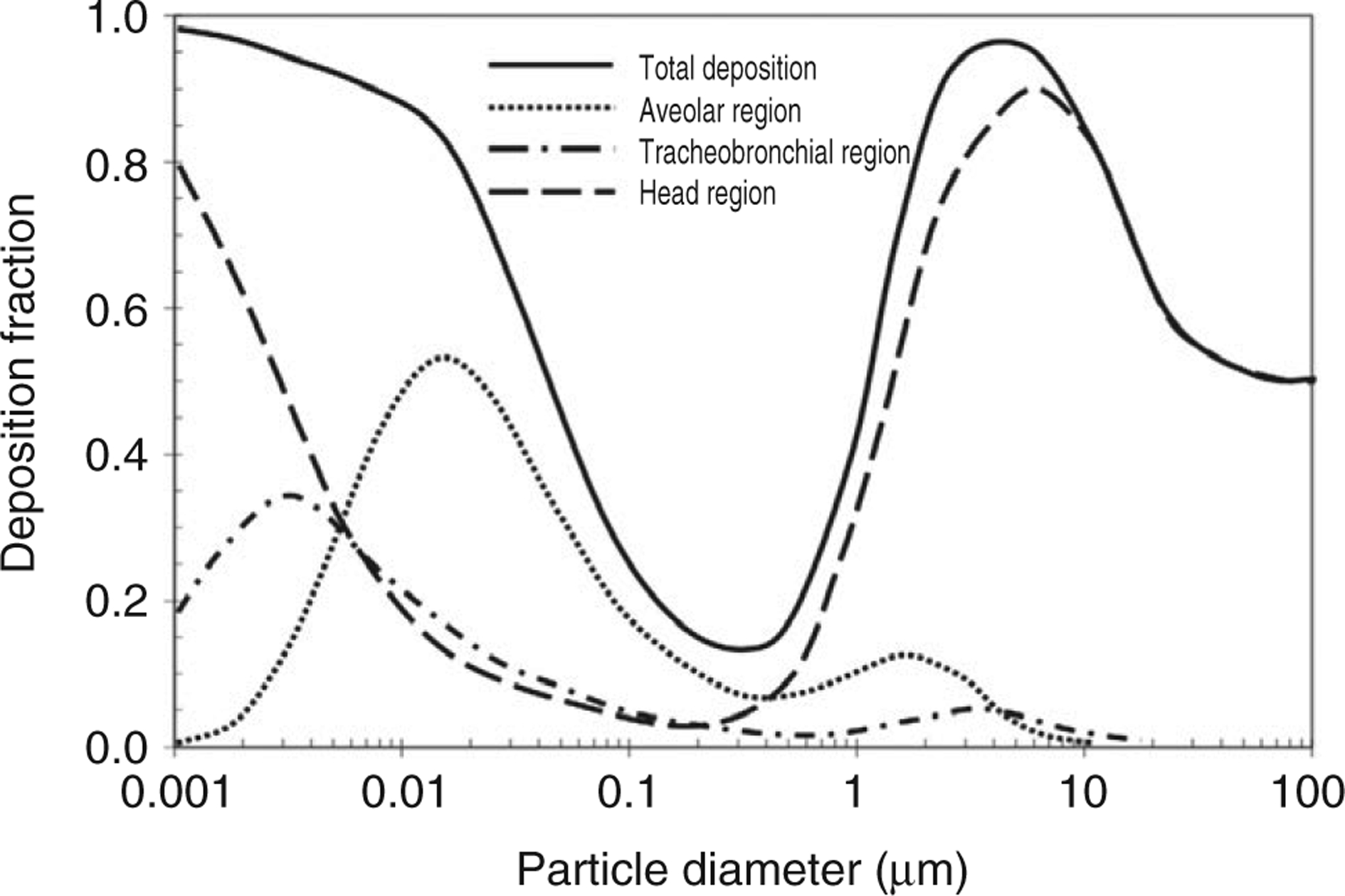
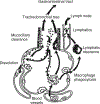
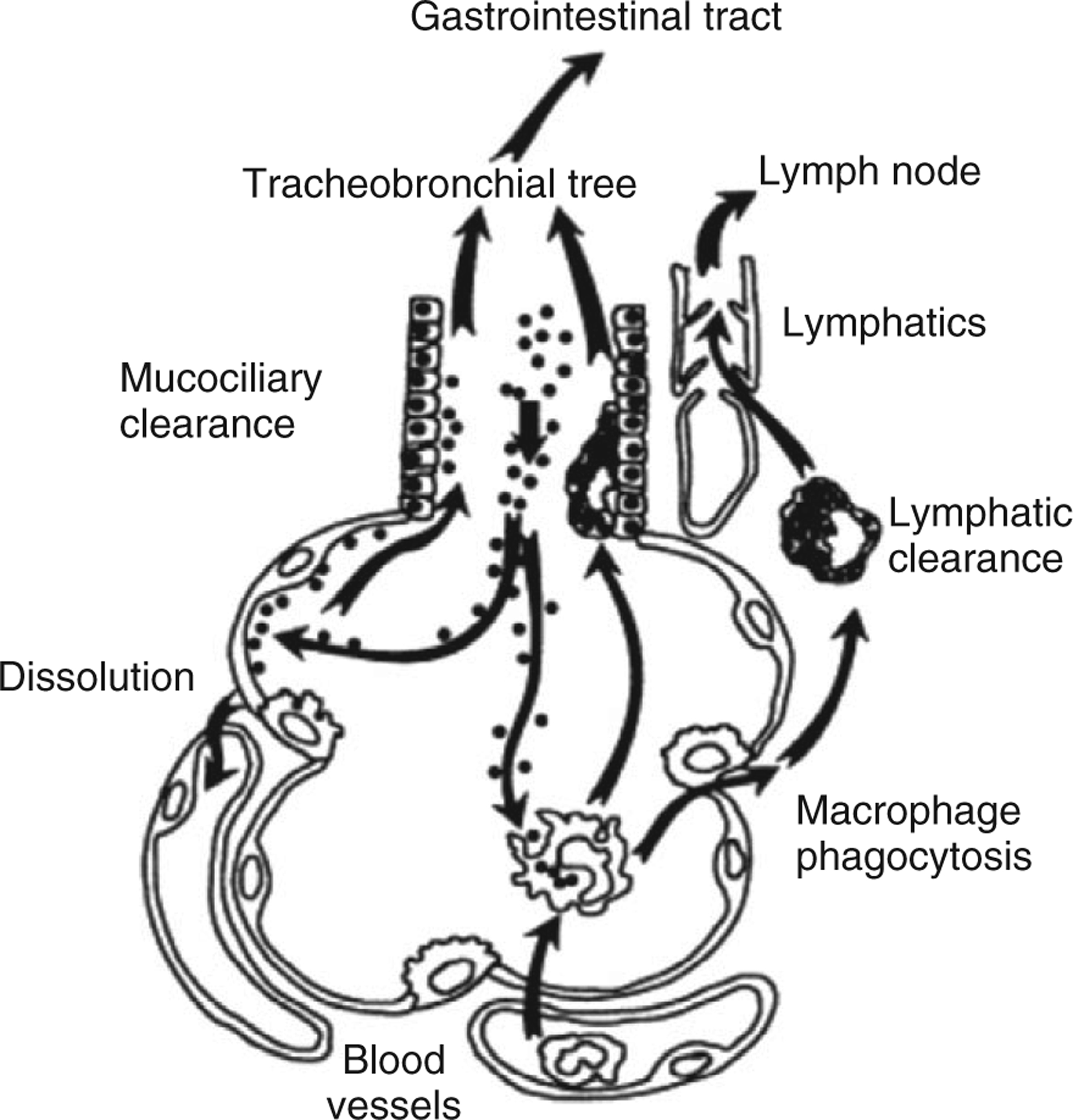
Description:Researchers have been studying the respiratory health effects of ambient air pollution for more than 70 years. While air pollution as a whole can include gaseous, solid, and liquid constituents, this article focuses only on the solid and liquid fractions, termed particulate matter (PM). Although PM may contain anthropogenic, geogenic, and/or biogenic fractions, in this article, particles that originate from microbial, fungal, animal, or plant sources are distinguished from PM as bioaerosols. Many advances have been made toward understanding which particle and exposure characteristics most influence deposition and clearance processes in the respiratory tract. These characteristics include particle size, shape, charge, and composition as well as the exposure concentration and dose rate. Exposure to particles has been directly associated with the exacerbation and, under certain circumstances, onset of respiratory disease. The circumstances of exposure leading to disease are dependent on stressors such as human activity level and changing particle composition in the environment. Historically, researchers assumed that bioaerosols were too large to be inhaled into the deep lung, and thus, not applicable for study in conjunction with PM| (the 2.5-μm and below size fraction that can reach the deep lung); however, this concept is beginning to be challenged. While there is extensive research on the health effects of PM and bioaerosols independent of each other, only limited work has been performed on their coexposure. Studying these two particle types as dual stressors to the respiratory system may aid in more thoroughly understanding the etiology of respiratory injury and disease. © 2020 American Physiological Society. Compr Physiol 10:1-20, 2020.
-
Subjects:
-
Source:Compr Physiol. 10(1):1-20
-
Pubmed ID:31853953
-
Pubmed Central ID:PMC7553137
-
Document Type:
-
Funding:P51 OD011107/OD/NIH HHSUnited States/ ; T32 ES007059/ES/NIEHS NIH HHSUnited States/ ; U01 OH010969/OH/NIOSH CDC HHSUnited States/ ; P30 ES023513/ES/NIEHS NIH HHSUnited States/ ; U54 OH007550/OH/NIOSH CDC HHSUnited States/ ; U01 ES027288/ES/NIEHS NIH HHSUnited States/ ; U01 OH010839/OH/NIOSH CDC HHSUnited States/
-
Volume:10
-
Issue:1
-
Download URL:
-
File Type:
 [PDF - 1.41 MB]
 -
Collection(s):
-
Main Document Checksum:urn:sha256:553f39ac127aa9677807e5b4cf796d865bd6bc5626c937df3325623e1c0e2597
Supporting Files


File Language:
English
 Was this page helpful?
 Found an issue?






CDC STACKS serves as an archival repository of CDC-published products including
scientific findings, journal articles, guidelines, recommendations, or other public health information authored or
co-authored by CDC or funded partners.
As a repository, CDC STACKS retains documents in their original published format to ensure public access to scientific information.
As a repository, CDC STACKS retains documents in their original published format to ensure public access to scientific information.
You May Also Like
COLLECTION
CDC Public Access