


Detection, Isolation and Confirmation of Crimean-Congo Hemorrhagic Fever Virus in Human, Ticks and Animals in Ahmadabad, India, 2010–2011
Supporting Files
Public Domain

-
May 15 2012
-
File Language:
English
Details
-
Alternative Title:PLoS Negl Trop Dis
-
Personal Author:
-
Description:Background
In January 2011, human cases with hemorrhagic manifestations in the hospital staff were reported from a tertiary care hospital in Ahmadabad, India. This paper reports a detailed epidemiological investigation of nosocomial outbreak from the affected area of Ahmadabad, Gujarat, India.
Principal Findings
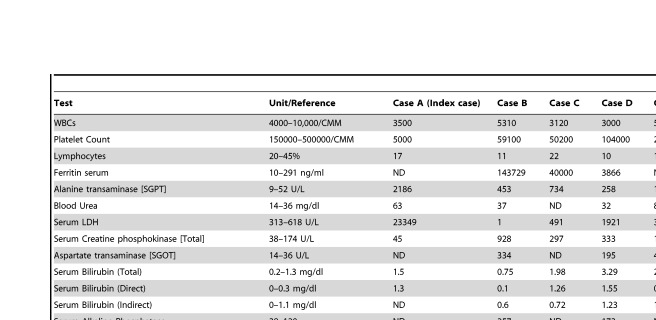
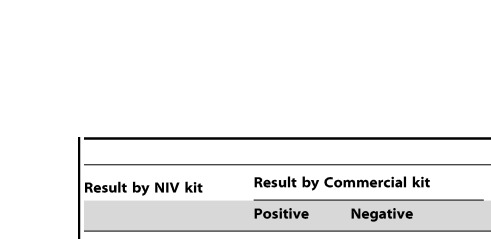
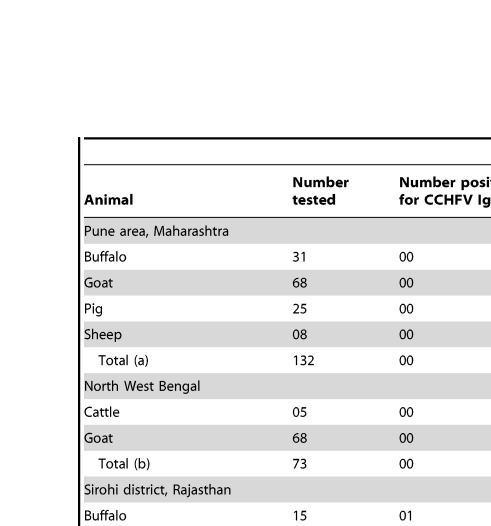
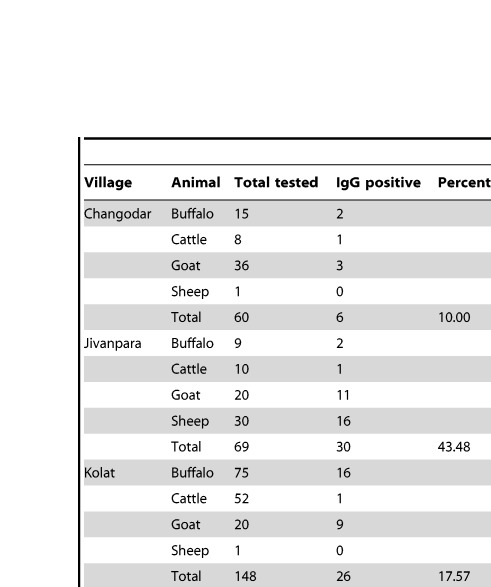
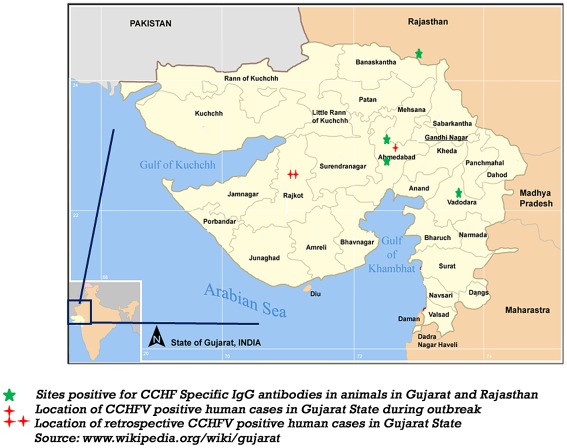
Samples from 3 suspected cases, 83 contacts, Hyalomma ticks and livestock were screened for Crimean-Congo hemorrhagic fever (CCHF) virus by qRT-PCR of which samples of two medical professionals (case C and E) and the husband of the index case (case D) were positive for CCHFV. The sensitivity and specificity of indigenous developed IgM ELISA to screen CCHFV specific antibodies in human serum was 75.0% and 97.5% respectively as compared to commercial kit. About 17.0% domestic animals from Kolat, Ahmadabad were positive for IgG antibodies while only two cattle and a goat showed positivity by qRT-PCR. Surprisingly, 43.0% domestic animals (Buffalo, cattle, sheep and goat) showed IgG antibodies in the adjoining village Jivanpara but only one of the buffalo was positive for CCHFV. The Hyalomma anatolicum anatolicum ticks were positive in PCR and virus isolation. CCHFV was isolated from the blood sample of case C, E in Vero E-6 cells and Swiss albino mice. In partial nucleocapsid gene phylogeny from CCHFV positive human samples of the years 2010 and 2011, livestock and ticks showed this virus was similar to Tajikistan (strain TAJ/H08966), which belongs in the Asian/middle east genetic lineage IV.
Conclusions
The likely source of CCHFV was identified as virus infected Hyalomma ticks and livestock at the rural village residence of the primary case (case A). In addition, retrospective sample analysis revealed the existence of CCHFV in Gujarat and Rajasthan states before this outbreak. An indigenous developed IgM ELISA kit will be of great use for screening this virus in India.
-
Subjects:
-
Source:PLoS Negl Trop Dis. 2012; 6(5)
-
Pubmed ID:22616022
-
Pubmed Central ID:PMC3352827
-
Document Type:
-
Place as Subject:
-
Volume:6
-
Issue:5
-
Collection(s):
-
Main Document Checksum:urn:sha256:f17aa28009aaba6cfe318ccd1ea2b85502048fd714d9ac8248cfcd8fd23b641d
-
Download URL:
-
File Type:
 [PDF
- 791.89 KB
]
[PDF
- 791.89 KB
]
Supporting Files


File Language:
English
ON THIS PAGE






CDC STACKS serves as an archival repository of CDC-published products including
scientific findings,
journal articles, guidelines, recommendations, or other public health information authored or
co-authored by CDC or funded partners.
As a repository, CDC STACKS retains documents in their original published format to ensure public access to scientific information.
As a repository, CDC STACKS retains documents in their original published format to ensure public access to scientific information.
You May Also Like
COLLECTION
CDC Public Access