



Prevalence of and Changes in Tooth Loss Among Adults Aged ≥50 Years with Selected Chronic Conditions — United States, 1999–2004 and 2011–2016
Supporting Files
Public Domain

-
May 29 2020
File Language:
English
Details
-
Journal Article:Morbidity and Mortality Weekly Report (MMWR)
-
Personal Author:
-
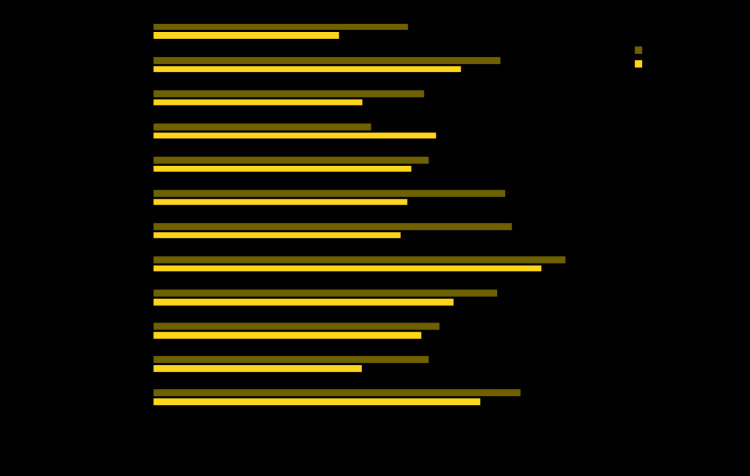
Description:Extensive tooth loss can lead to poor diet resulting in weight loss or obesity (1). It can also detract from physical appearance and impede speech, factors that can restrict social contact, inhibit intimacy, and lower self-esteem (1). Chronic medical conditions and oral conditions share common risk factors (2). Persons with chronic conditions are more likely to have untreated dental disease, which can result in tooth loss. Three measures of tooth loss during 1999-2004 and 2011-2016 were estimated by comparing data from the National Health and Nutrition Examination Survey (U.S.) (NHANES) for each period among adults aged ≥50 years with selected chronic conditions.* The three measures were 1) edentulism (having no teeth); 2) severe tooth loss (having eight or fewer teeth) (3); and 3) lacking functional dentition (having <20 teeth out of 28, which is considered a full set for the purpose of NHANES assessments) (4). During 2011-2016, prevalences of edentulism and severe tooth loss were ≥50% higher among adults with fair or poor general health, rheumatoid arthritis, asthma, diabetes, emphysema, heart disease, liver condition, or stroke than among those with those adults without the chronic condition. Lack of functional dentition was also more prevalent among adults with chronic conditions than among persons without these conditions. Tooth loss is preventable with self-care and routine dental visits (1). To encourage these behaviors, public health professionals can educate the public about the association between having a chronic condition and tooth loss, and primary care providers can educate their patients about the importance of healthy behaviors and screen and refer them for needed dental care.
-
Subjects:
-
Source:MMWR Morbidity Mortal Weekly Rep. 69(21):641-646
-
Series:
-
ISSN:0149-2195 (print) ; 1545-861X (digital)
-
Pubmed ID:32463807
-
Pubmed Central ID:PMC7269607
-
Document Type:
-
Place as Subject:
-
Pages in Document:6 pdf pages
-
Volume:69
-
Issue:21
-
Download URL:
-
File Type:
 [PDF - 169.30 KB]
 -
Collection(s):
-
Main Document Checksum:urn:sha-512:63c6fc3b4db2c575f7b312b72ac3a7e6e4146ecf020ef1d28d81bef0d56058ea5e5643e975a78a4482540abd24af37569583ea0cbf9575ace2cf6d287f3621a3
Supporting Files


File Language:
English
 Was this page helpful?
 Found an issue?


CDC STACKS serves as an archival repository of CDC-published products including
scientific findings, journal articles, guidelines, recommendations, or other public health information authored or
co-authored by CDC or funded partners.
As a repository, CDC STACKS retains documents in their original published format to ensure public access to scientific information.
As a repository, CDC STACKS retains documents in their original published format to ensure public access to scientific information.
You May Also Like
COLLECTION
Morbidity and Mortality Weekly Report (MMWR)