



Foods and Beverages Obtained at Worksites in the United States
Supporting Files

-
6 2019
-
Available in CDC Stacks on June 01, 2020, 12:00 AM
File Language:
English
Details
-
Journal Article:J Acad Nutr Diet
-
Personal Author:
-
Description:Background
Nutrition interventions are a common component of worksite wellness programs and have been recognized as an effective strategy to change employee dietary behaviors. However, little is known about worksite food behaviors or the foods that are obtained at workplaces at the national level.
Objective
The aims were to examine the frequency of obtaining foods at work among employed US adults and the amount of money spent obtaining them, determine the foods most commonly obtained at work, and assess the dietary quality of these foods.
Design
This is a cross-sectional analysis of data from the USDA Food Acquisition and Purchasing Survey (FoodAPS), a nationally representative household survey conducted from April 2012 through January 2013 on food purchases and acquisitions during a seven-day study period.
Participants
The study included 5222 employed adult Americans.
Main outcome measures
The study assessed the prevalence of obtaining any foods at work overall and according to sociodemographic subgroups, number of acquisitions and calories obtained, most commonly obtained foods and leading food sources of calories, and HEI-2010 scores that represent dietary quality.
Statistical analyses performed
Prevalence estimates of obtaining ≥1 foods at work were compared according to sociodemographic characteristic using chi-square tests.
Results
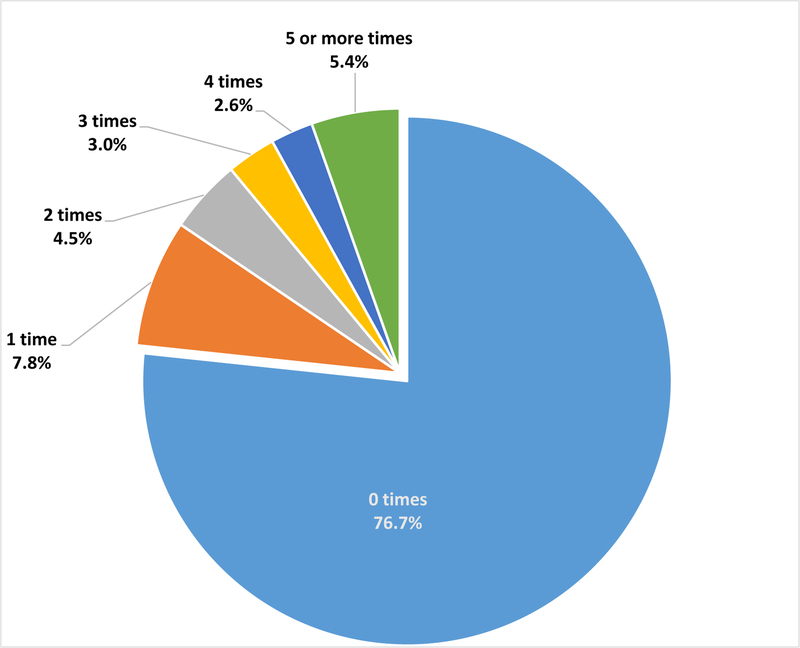
Nearly a quarter (23.4%) of working adults obtained foods at work during the week and the foods they obtained averaged 1292 kcal per person/week. The leading food types obtained included foods typically high in solid fat, added sugars, or sodium, such as pizza, soft drinks, cookies/brownies, cakes and pies, and candy. HEI scores suggest that work foods are high in empty calories, sodium, and refined grains and low in whole grains and fruit.
Conclusions
Working adults commonly obtain foods at work and the foods they obtain have limited dietary quality. Future research should examine the role worksites can play to help ensure access to and promote healthier options. -
Subjects:
-
Keywords:
-
Source:J Acad Nutr Diet. 119(6):999-1008
-
DOI:
-
Pubmed ID:30683617
-
Pubmed Central ID:PMC6800074
-
Document Type:
-
Funding:
-
Genre:
-
Volume:119
-
Issue:6
-
Download URL:
-
File Type:
 [PDF - 282.55 KB]
 -
Collection(s):
-
Main Document Checksum:urn:sha-512:065004140f8e31be7ecf54a1c262e363c51b57fcf2e11e389fc71efd9114a12edf3d9df3391f76d98c435f6a533116cc2e2aea5e3dc1627aa886422db1614d33
Supporting Files


File Language:
English
 Was this page helpful?
 Found an issue?

CDC STACKS serves as an archival repository of CDC-published products including
scientific findings, journal articles, guidelines, recommendations, or other public health information authored or
co-authored by CDC or funded partners.
As a repository, CDC STACKS retains documents in their original published format to ensure public access to scientific information.
As a repository, CDC STACKS retains documents in their original published format to ensure public access to scientific information.
You May Also Like
COLLECTION
CDC Public Access