



Infection with Colorado Tick Fever Virus Among Humans and Ticks in a National Park and Forest, Wyoming, 2010
Supporting Files

-
-
By Show All

-
-
Available in CDC Stacks on
File Language:
English
Details
-
Journal Article:Vector Borne Zoonotic Dis
-
Description:Background:
Colorado tick fever (CTF) is an underreported tick-borne viral disease occurring in the western United States. CTF illness includes fever, headache, and severe myalgia lasting for weeks. Wyoming has one of the highest CTF incidence rates with approximately 30% of infected persons reporting tick exposure in a Wyoming National Park or Forest before symptom onset. We assessed CTF virus infections among humans and Dermacentor andersoni ticks in Grand Teton National Park (GRTE) and Bridger-Teton National Forest (BTNF).
Methods:
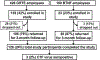
In June of 2010, 526 eligible employees were approached to participate in a baseline and 3-month follow-up serosurvey and risk behavior survey. Seropositivity was defined as antibody titers against CTF virus ≥ 10, as measured by the plaque reduction neutralization test. Ticks were collected at 27 sites within GRTE/BTNF and tested by RT-PCR for the CTF virus.
Results:
A total of 126 (24%) employees participated in the baseline and follow-up study visits. Three (2%) employees were seropositive for CTF virus infection at baseline. During the study, 47 (37%) participants found unattached ticks on themselves, and 12 (10%) found attached ticks; however, no participants seroconverted against CTF virus. Walking through sagebrush (p = 0.04) and spending time at ≥ 7000 feet elevation (p < 0.01) were significantly associated with tick exposure. Ninety-nine percent (174/176) of ticks were D. andersoni, and all were found at ≥ 7000 feet elevation in sagebrush areas; 37 (21%) ticks tested positive for CTF virus and were found at 10 (38%) of 26 sites sampled.
Conclusions:
Although no GRTE or BTNF employees were infected with CTF virus during the study period, high rates of infected ticks were identified in areas with sagebrush at ≥ 7000 feet. CTF education and personal protection measures against tick exposure should be targeted to visitors and employees traveling to the high-risk environs identified in this study. -
Subjects:
-
DOI:
-
Pubmed ID:25229706
-
Pubmed Central ID:PMC7140762
-
Document Type:
-
Funding:
-
Genre:
-
Volume:14
-
Issue:9
-
Download URL:
-
File Type:
 [PDF - 511.50 KB]
-
Collection(s):
-
Main Document Checksum:urn:sha-512:7f020f05fdc046b87428a38106e4948da65381b2806f7f6cb0706c5e810e571b9be0c1f092ce743ceb4f84cd1e83b6614e9ecf2dc44b0b2e8aa29b93c6ecbdc9
Supporting Files


File Language:
English
 Was this page helpful?
 Found an issue?


CDC STACKS serves as an archival repository of CDC-published products including
scientific findings, journal articles, guidelines, recommendations, or other public health information authored or
co-authored by CDC or funded partners.
As a repository, CDC STACKS retains documents in their original published format to ensure public access to scientific information.
As a repository, CDC STACKS retains documents in their original published format to ensure public access to scientific information.
You May Also Like
COLLECTION
CDC Public Access