



Travel surveillance and genomics uncover a hidden Zika outbreak during the waning epidemic
Supporting Files

-
8 22 2019 ; 8-22-
-
Available in CDC Stacks on August 22, 2020, 12:00 AM
File Language:
English
Details
-
Alternative Title:Cell
-
Personal Author:Grubaugh, Nathan D. ; Saraf, Sharada ; Gangavarapu, Karthik ; Watts, Alexander ; Tan, Amanda L. ; Oidtman, Rachel J. ; Ladner, Jason T. ; Oliveira, Glenn ; Matteson, Nathaniel L. ; Kraemer, Moritz U.G. ; Vogels, Chantal B.F. ; Hentoff, Aaron ; Bhatia, Deepit ; Stanek, Danielle ; Scott, Blake ; Landis, Vanessa ; Stryker, Ian ; Cone, Marshall R. ; Kopp, Edgar W. ; Cannons, Andrew C. ; Heberlein-Larson, Lea ; White, Stephen ; Gillis, Leah D. ; Ricciardi, Michael J. ; Kwal, Jaclyn ; Lichtenberger, Paola K. ; Magnani, Diogo M. ; Watkins, David I. ; Palacios, Gustavo ; Hamer, Davidson H. ; Gardner, Lauren M. ; Perkins, T. Alex ; Baele, Guy ; Khan, Kamran ; Morrison, Andrea ; Isern, Sharon ; Michael, Scott F. ; Andersen, Kristian G.
-
Corporate Authors:
-
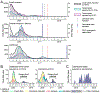
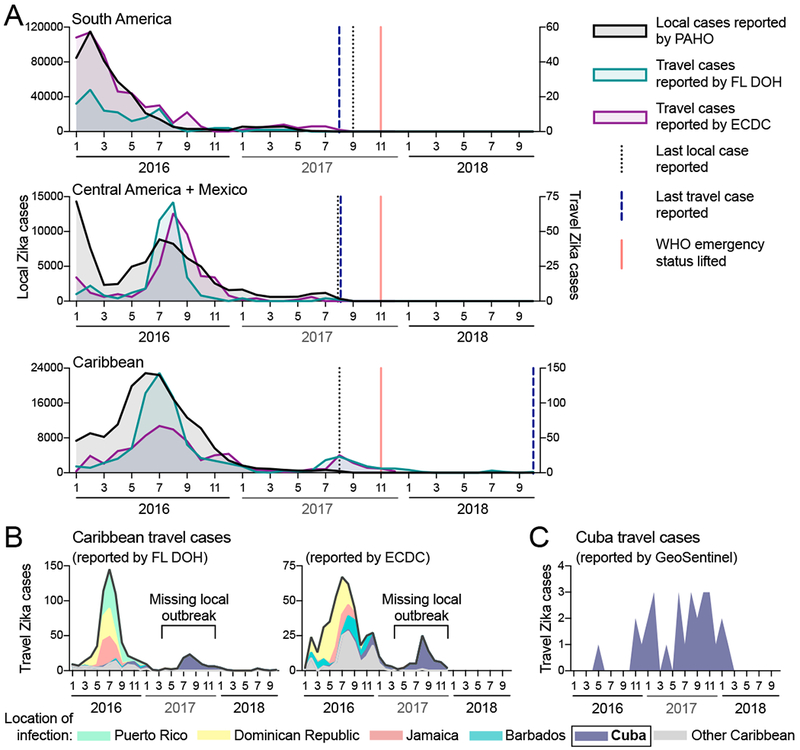
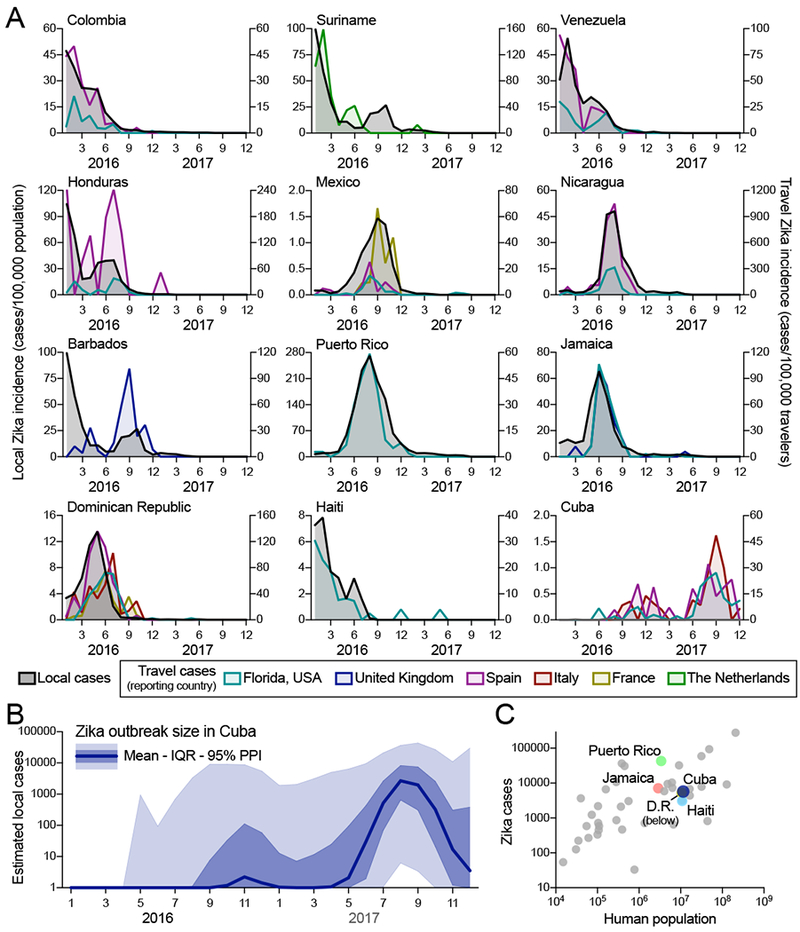
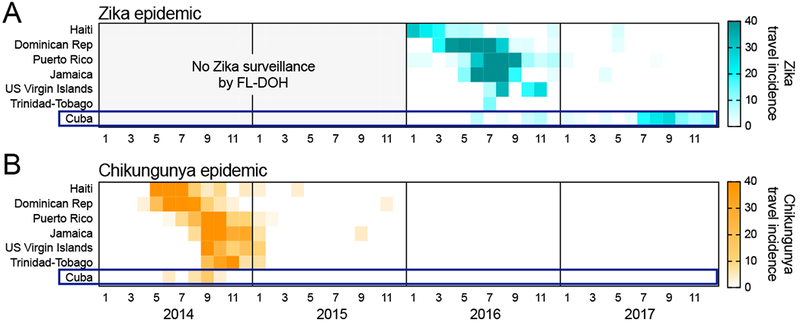
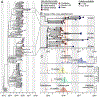
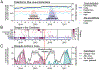
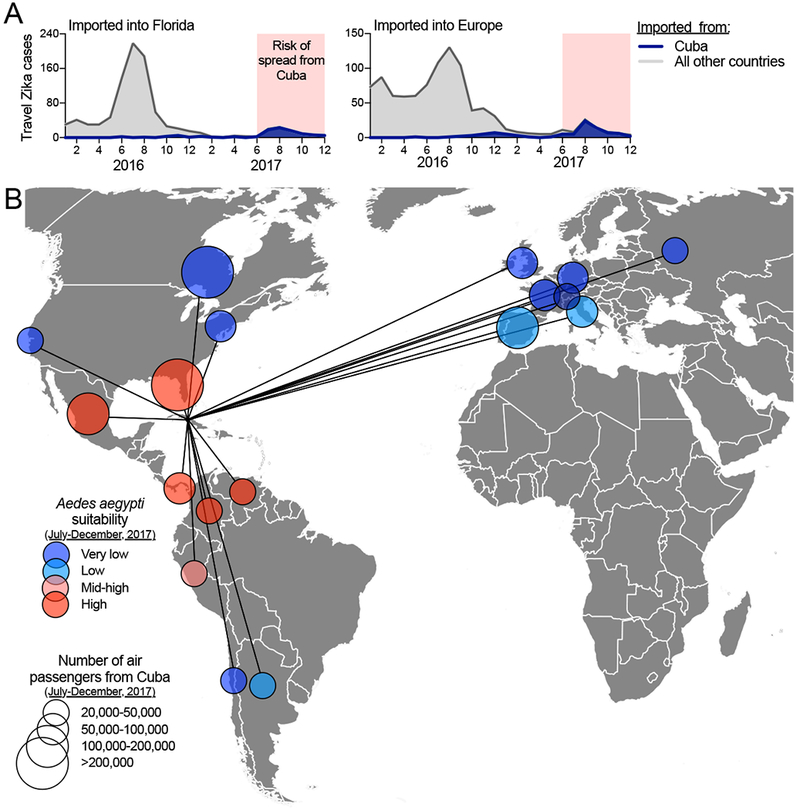
Description:The Zika epidemic in the Americas has challenged surveillance and control. As the epidemic appears to be waning, it is unclear whether transmission is still ongoing, which is exacerbated by discrepancies in reporting. To uncover locations with lingering outbreaks, we investigated travel-associated Zika cases to identify transmission not captured by reporting. We uncovered an unreported outbreak in Cuba during 2017, a year after peak transmission in neighboring islands. By sequencing Zika virus, we show that the establishment of the virus was delayed by a year and that the ensuing outbreak was sparked by long-lived lineages of Zika virus from other Caribbean islands. Our data suggest that, although mosquito control in Cuba may initially have been effective at mitigating Zika virus transmission, such measures need to be maintained to be effective. Our study highlights how Zika virus may still be "silently" spreading and provides a framework for understanding outbreak dynamics. VIDEO ABSTRACT.
-
Subjects:
-
Keywords:
-
Source:Cell. 178(5):1057-1071.e11
-
Pubmed ID:31442400
-
Pubmed Central ID:PMC6716374
-
Document Type:
-
Funding:U50 CK000189/CK/NCEZID CDC HHSUnited States/ ; T32 HD040128/HD/NICHD NIH HHSUnited States/ ; HHSN272201400048C/AI/NIAID NIH HHSUnited States/ ; R01 AI099210/AI/NIAID NIH HHSUnited States/ ; U19 AI135995/AI/NIAID NIH HHSUnited States/ ; R21 AI137690/AI/NIAID NIH HHSUnited States/ ; UL1 TR002550/TR/NCATS NIH HHSUnited States/
-
Volume:178
-
Issue:5
-
Download URL:
-
File Type:
 [PDF - 1.34 MB]
 -
Collection(s):
-
Main Document Checksum:urn:sha-512:7cf2186bdddf1167c0fed6119c591247d8cf983e9861afc79f47f69e46f5a089dcf08d03c131804f0419f7b9612b49c0016c3a65e211a0c8b7bdd92c56ed7952
Supporting Files


File Language:
English
 Was this page helpful?
 Found an issue?






CDC STACKS serves as an archival repository of CDC-published products including
scientific findings, journal articles, guidelines, recommendations, or other public health information authored or
co-authored by CDC or funded partners.
As a repository, CDC STACKS retains documents in their original published format to ensure public access to scientific information.
As a repository, CDC STACKS retains documents in their original published format to ensure public access to scientific information.
You May Also Like
COLLECTION
CDC Public Access