



Particle and organic vapor emissions from children’s 3-D pen and 3-D printer toys
Supporting Files

-
2019
-
Available in CDC Stacks on December 24, 2020, 12:00 AM
File Language:
English
Details
-
Journal Article:Inhal Toxicol
-
Personal Author:
-
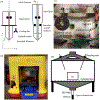
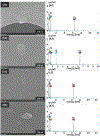
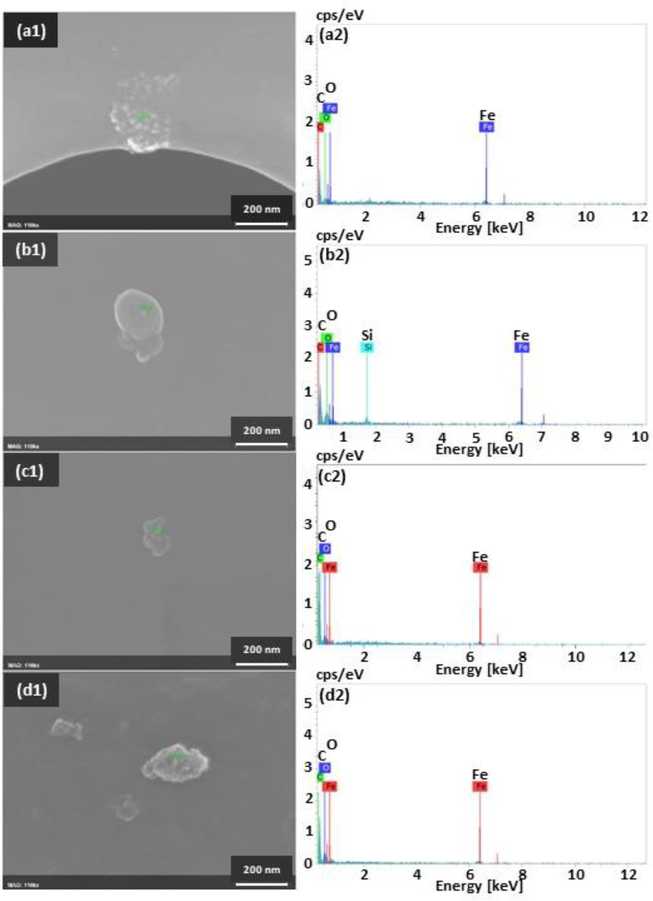
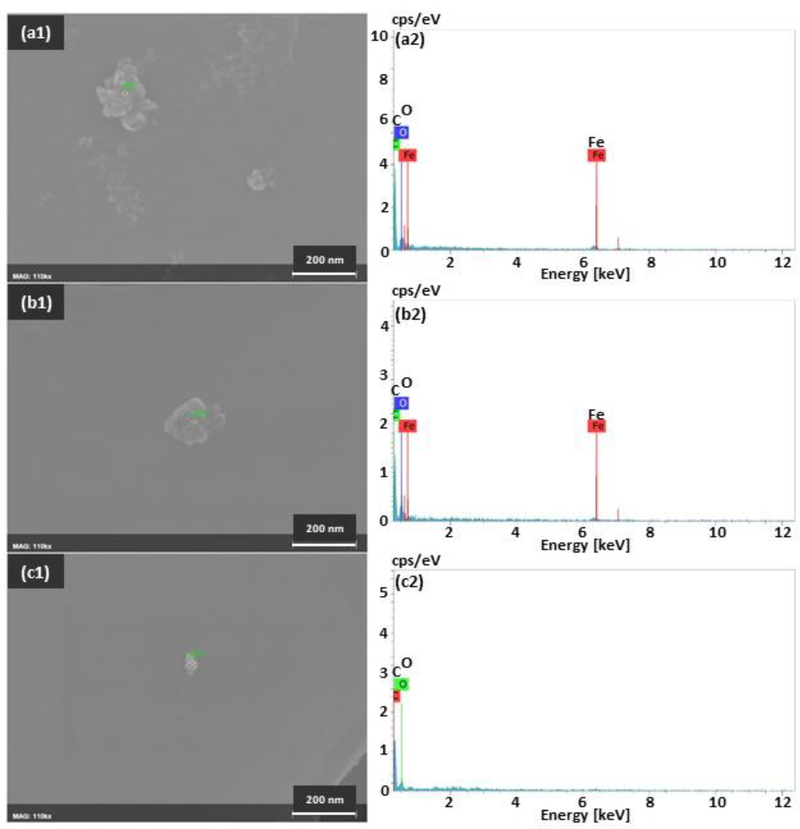
Description:Fused filament fabrication "3-dimensional (3-D)" printing has expanded beyond the workplace to 3-D printers and pens for use by children as toys to create objects.| Emissions from two brands of toy 3-D pens and one brand of toy 3-D printer were characterized in a 0.6 m| chamber (particle number, size, elemental composition; concentrations of individual and total volatile organic compounds (TVOC)). The effects of print parameters on these emission metrics were evaluated using mixed-effects models. Emissions data were used to model particle lung deposition and TVOC exposure potential.| Geometric mean particle yields (10|-10| particles/g printed) and sizes (30-300 nm) and TVOC yields (Subjects:Keywords:Source:Inhal Toxicol. 31(13-14):432-445DOI:Pubmed ID:31874579Pubmed Central ID:PMC6995422Document Type:Funding:Genre:Volume:31Download URL:File Type:
 [PDF - 955.63 KB]Collection(s):Main Document Checksum:urn:sha-512:6178bb0581268b9ea409832bb34a8accddae69fbba5d0304364505d675dd872eaa11b4804524f7d1b269412211202ce8de727538db1cdf159e33f5e50b70ee86
Supporting Files


File Language:
English
 Was this page helpful?
 Found an issue?


CDC STACKS serves as an archival repository of CDC-published products including
scientific findings, journal articles, guidelines, recommendations, or other public health information authored or
co-authored by CDC or funded partners.
As a repository, CDC STACKS retains documents in their original published format to ensure public access to scientific information.
As a repository, CDC STACKS retains documents in their original published format to ensure public access to scientific information.
You May Also Like
COLLECTION
CDC Public Access