


A Culturally Adapted Diabetes Prevention Intervention in the New York City Sikh Asian Indian Community Leads to Improvements in Health Behaviors and Outcomes
Supporting Files

-
2019
-
File Language:
English
Details
-
Journal Article:Health Behav Res
-
Personal Author:
-
Description:Introduction.
Sikh Asian Indians are an underserved, minority group demonstrating high rates of diabetes. Community health workers (CHWs) are effective in addressing health disparities by reaching socially and linguistically isolated populations. There are no culturally-adapted programs for diabetes prevention among Sikh Asian Indians, thus, this study tests the efficacy of a culturally-tailored CHW intervention to improve diabetes prevention-related outcomes among Sikh Asian Indians at-risk for diabetes.
Methods.
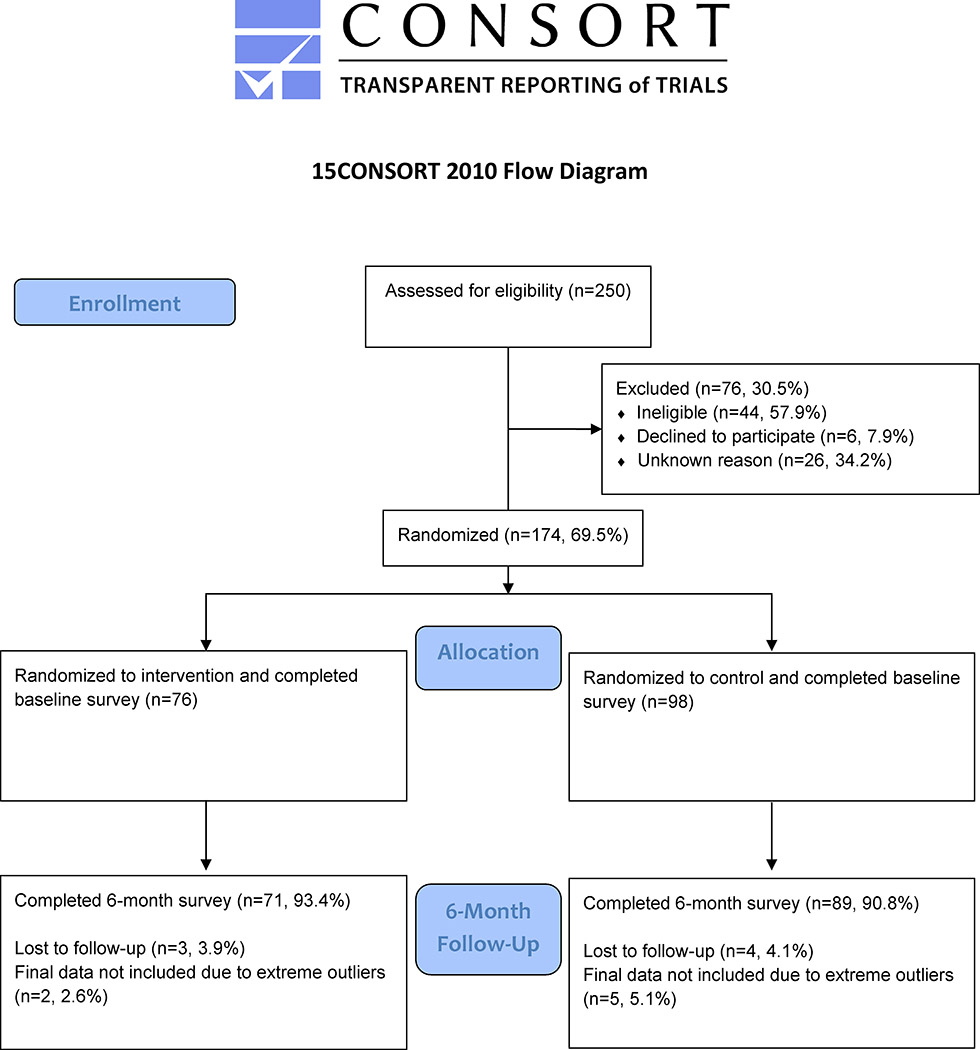
A quasi-experimental two-arm intervention among Sikh Asian Indian adults at-risk for diabetes and living in New York City (n=160) was conducted in 2013–2014. The treatment group received six monthly CHW group education sessions and ten follow-up phone calls; the control group received the first session. Main outcomes included weight, body mass index (BMI), blood pressure (BP), physical activity (PA), diet, and health self-efficacy.
Results.
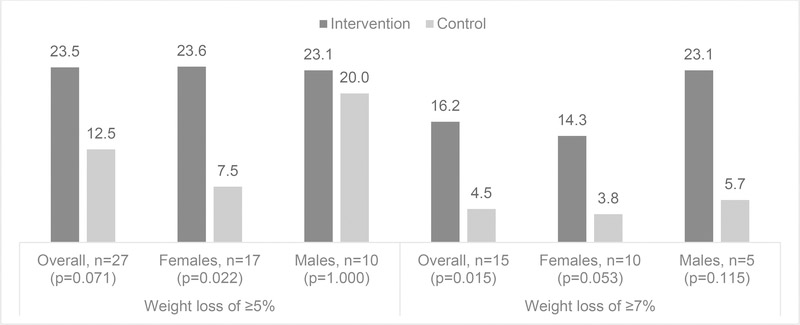
Positive and significant changes in weight, BMI, and diabetes prevention-related indicators were seen among both study groups. However, only treatment group participants showed significant changes over time for weight, BMI, PA self-efficacy, and health-related self-efficacy. Significant between-group differences were seen in adjusted analyses for weight, BMI, systolic BP, total weekly PA, PA self-efficacy, PA social interaction, portion control, barriers to healthy eating, and health self-efficacy. At 6-months, treatment participants were more likely to lose ≥5% and ≥7% of their weight compared to control participants (p=0.071, and p=0.015, respectively).
Conclusions.
Findings demonstrate that a culturally-adapted CHW diabetes prevention program in the Sikh community is efficacious, adding to the growing literature on CHWs’ capacity to address health inequity among underserved populations.
-
Source:Health Behav Res. 2(1)
-
DOI:
-
Pubmed ID:31807731
-
Pubmed Central ID:PMC6894424
-
Document Type:
-
Funding:U48 DP001904/DP/NCCDPHP CDC HHSUnited States/ ; UL1 TR001445/TR/NCATS NIH HHSUnited States/ ; U48DP005008/ACL/ACL HHSUnited States/ ; U54 MD000538/MD/NIMHD NIH HHSUnited States/ ; P30 DK111022/DK/NIDDK NIH HHSUnited States/ ; U48 DP005008/DP/NCCDPHP CDC HHSUnited States/ ; U58 DP005621/DP/NCCDPHP CDC HHSUnited States/ ; P60 MD000538/MD/NIMHD NIH HHSUnited States/ ; R01 DK110048/DK/NIDDK NIH HHSUnited States/ ; UL1 TR000038/TR/NCATS NIH HHSUnited States/ ; R24 MD001786/MD/NIMHD NIH HHSUnited States/
-
Genre:
-
Volume:2
-
Issue:1
-
Collection(s):
-
Main Document Checksum:urn:sha-512:597c4b4c75045638fa79191b90d4b20c3e3ea3dc1a465edae237a27dea8721d006f9ff20199759944252029a306d75b2f26e208e622b4784d68300bc66e92a5b
-
Download URL:
-
File Type:
 [PDF
- 524.87 KB
]
[PDF
- 524.87 KB
]
Supporting Files


File Language:
English
ON THIS PAGE

CDC STACKS serves as an archival repository of CDC-published products including
scientific findings,
journal articles, guidelines, recommendations, or other public health information authored or
co-authored by CDC or funded partners.
As a repository, CDC STACKS retains documents in their original published format to ensure public access to scientific information.
As a repository, CDC STACKS retains documents in their original published format to ensure public access to scientific information.