


Emergency care surveillance and emergency care registries in low-income and middle-income countries: conceptual challenges and future directions for research
Supporting Files
Public Domain

-
July 29 2019
-
File Language:
English
Details
-
Alternative Title:BMJ Glob Health
-
Personal Author:
-
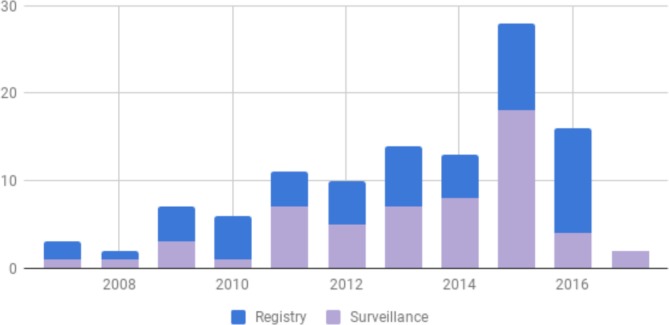
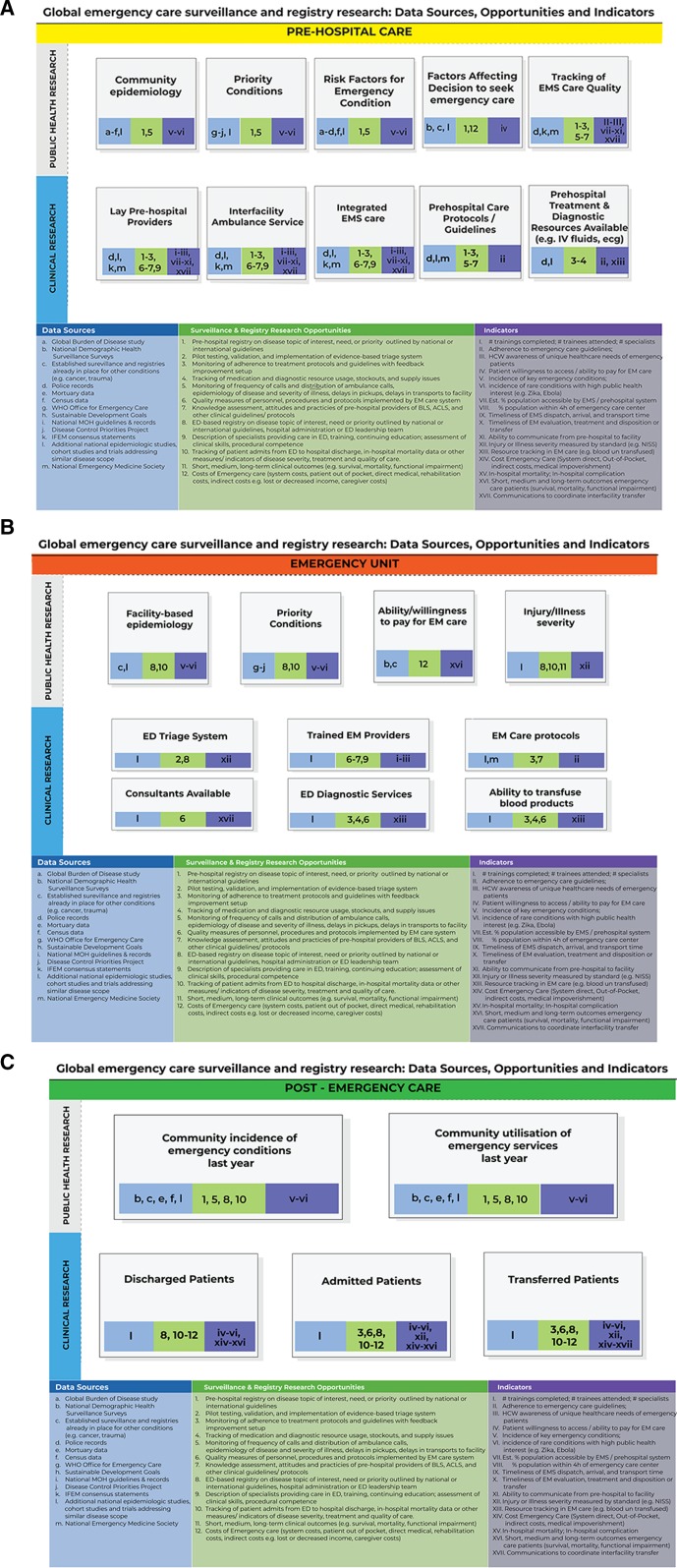
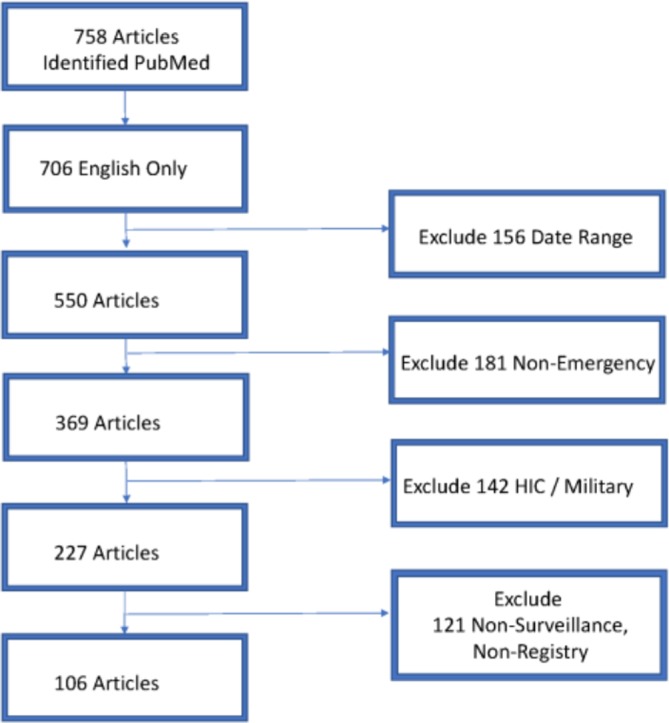
Description:Despite the fact that the 15 leading causes of global deaths and disability-adjusted life years are from conditions amenable to emergency care, and that this burden is highest in low-income and middle-income countries (LMICs), there is a paucity of research on LMIC emergency care to guide policy making, resource allocation and service provision. A literature review of the 550 articles on LMIC emergency care published in the 10-year period from 2007 to 2016 yielded 106 articles for LMIC emergency care surveillance and registry research. Few articles were from established longitudinal surveillance or registries and primarily composed of short-term data collection. Using these articles, a working group was convened by the US National Institutes of Health Fogarty International Center to discuss challenges and potential solutions for established systems to better understand global emergency care in LMICs. The working group focused on potential uses for emergency care surveillance and registry data to improve the quality of services provided to patients. Challenges included a lack of dedicated resources for such research in LMIC settings as well as over-reliance on facility-based data collection without known correlation to the overall burden of emergency conditions in the broader community. The group outlined potential solutions including incorporating data from sources beyond traditional health records, use of standard clinical forms that embed data needed for research and policy making and structured population-based research to establish clear linkages between what is seen in emergency units and the wider community. The group then identified current gaps in LMIC emergency care surveillance and registry research to form a research agenda for the future.
-
Subjects:
-
Source:BMJ Glob Health. 2019; 4(Suppl 6)
-
Pubmed ID:31406601
-
Pubmed Central ID:PMC6666805
-
Document Type:
-
Volume:4
-
Collection(s):
-
Main Document Checksum:urn:sha256:58a60a95c1490b4bd9a336b20253803744425d5820497b32beaf86e71104d06c
-
Download URL:
-
File Type:
 [PDF
- 2.21 MB
]
[PDF
- 2.21 MB
]
Supporting Files


File Language:
English
ON THIS PAGE

CDC STACKS serves as an archival repository of CDC-published products including
scientific findings,
journal articles, guidelines, recommendations, or other public health information authored or
co-authored by CDC or funded partners.
As a repository, CDC STACKS retains documents in their original published format to ensure public access to scientific information.
As a repository, CDC STACKS retains documents in their original published format to ensure public access to scientific information.
You May Also Like
COLLECTION
CDC Public Access