



Assessment of influenza virus exposure and recovery from contaminated surgical masks and N95 respirators
Supporting Files

-
July 17 2018
-
Available in CDC Stacks on April 25, 2019, 12:00 AM
File Language:
English
Details
-
Alternative Title:J Virol Methods
-
Personal Author:
-
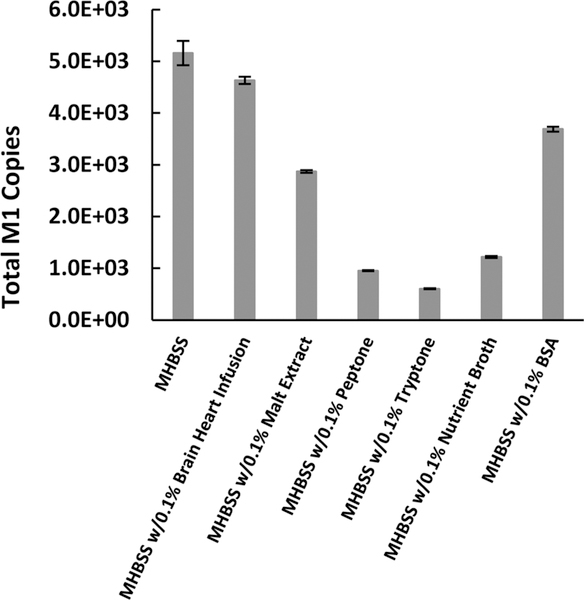
Description:Healthcare workers (HCWs) are at significantly higher risk of exposure to influenza virus during seasonal epidemics and global pandemics. During the 2009 influenza pandemic, some healthcare organizations recommended that HCWs wear respiratory protection such as filtering facepiece respirators, while others indicated that facemasks such as surgical masks (SMs) were sufficient. To assess the level of exposure a HCW may possibly encounter, the aim of this study was to (1.) evaluate if SMs and N95 respirators can serve as "personal bioaerosol samplers" for influenza virus and (2.) determine if SMs and N95 respirators contaminated by influenza laden aerosols can serve as a source of infectious virus for indirect contact transmission. This effort is part of a National Institute for Occupational Safety and Health 5-year multidisciplinary study to determine the routes of influenza transmission in healthcare settings. A coughing simulator was programmed to cough aerosol particles containing influenza virus over a wide concentration range into an aerosol exposure simulation chamber virus/L of exam room air), and a breathing simulator was used to collect virus on either a SM or N95 respirator. Extraction buffers containing nonionic and anionic detergents as well as various protein additives were used to recover influenza virus from the masks and respirators. The inclusion of 0.1% SDS resulted in maximal influenza RNA recovery (41.3%) but with a complete loss of infectivity whereas inclusion of 0.1% bovine serum albumin resulted in reduced RNA recovery (6.8%) but maximal retention of virus infectivity (17.9%). Our results show that a HCW's potential exposure to airborne influenza virus can be assessed in part through analysis of their SMs and N95 respirators, which can effectively serve as personal bioaerosol samplers.
-
Subjects:
-
Source:J Virol Methods. 260:98-106
-
Pubmed ID:30029810
-
Pubmed Central ID:PMC6482848
-
Document Type:
-
Funding:
-
Volume:260
-
Download URL:
-
File Type:
 [PDF - 894.34 KB]
 -
Collection(s):
-
Main Document Checksum:urn:sha256:0fec42fe2a692b05c09f0ac147f2131c403432979955fb8469042a5bbf610b96
Supporting Files


File Language:
English
 Was this page helpful?
 Found an issue?










CDC STACKS serves as an archival repository of CDC-published products including
scientific findings, journal articles, guidelines, recommendations, or other public health information authored or
co-authored by CDC or funded partners.
As a repository, CDC STACKS retains documents in their original published format to ensure public access to scientific information.
As a repository, CDC STACKS retains documents in their original published format to ensure public access to scientific information.
You May Also Like
COLLECTION
CDC Public Access