


Performance of N95 FFRs Against Combustion and NaCl Aerosols in Dry and Moderately Humid Air: Manikin-based Study
Supporting Files

-
7 2016
-
File Language:
English
Details
-
Alternative Title:Ann Occup Hyg
-
Personal Author:
-
Description:Objectives:
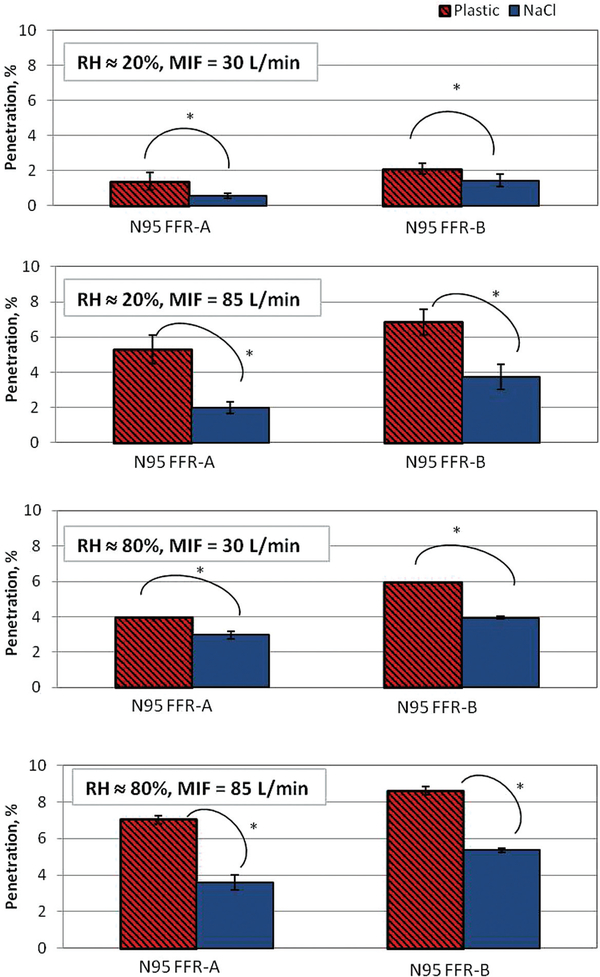
The first objective of this study was to evaluate the penetration of particles generated from combustion of plastic through National Institute for Occupational Safety and Health (NIOSH)certified N95 filtering facepiece respirators (FFRs) using a manikin-based protocol and compare the data to the penetration of NaCl particles. The second objective was to investigate the effect of relative humidity (RH) on the filtration performance of N95 FFRs.
Methods:
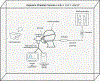
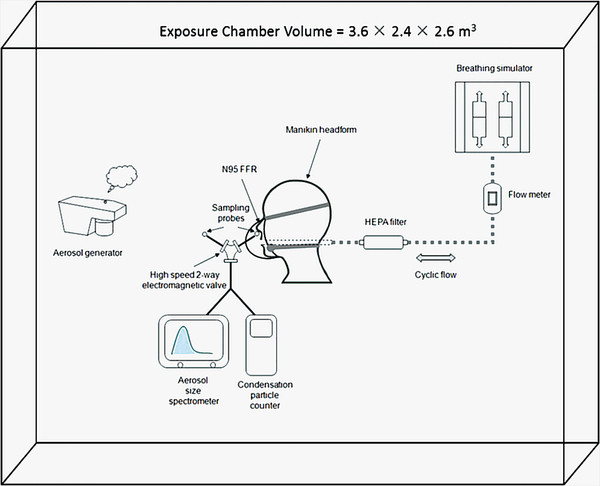
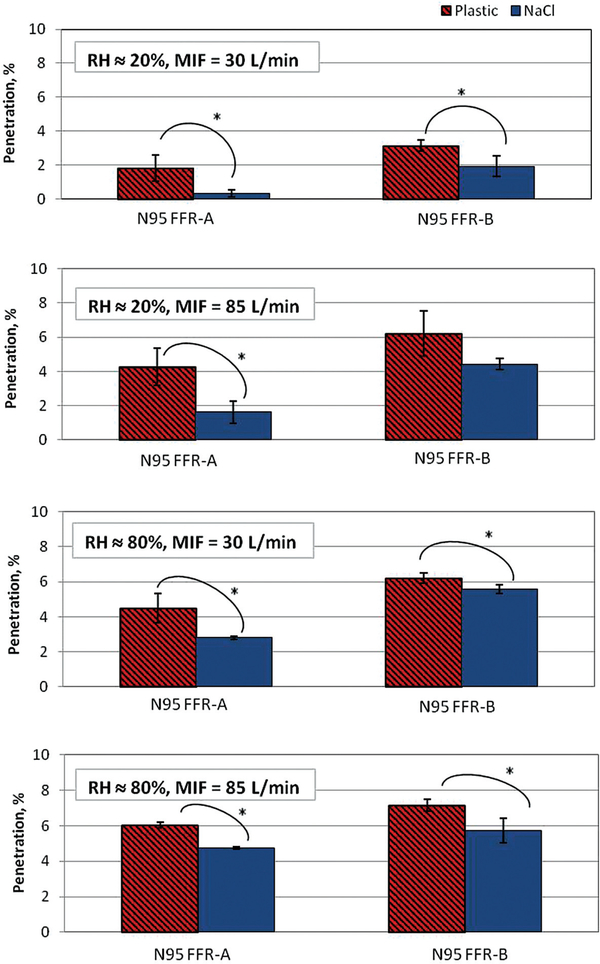
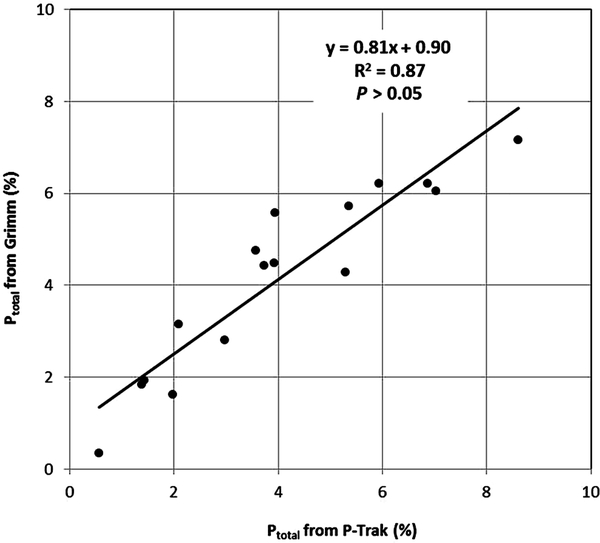
Two NIOSH-certified N95 FFRs (A and B) were fully sealed on a manikin headform and challenged with particles generated by combustion of plastic and NaCl particles. The tests were performed using two cyclic flows [with mean inspiratory flow (MIF) rates = 30 and 85 l min−1, representing human breathing under low and moderate workload conditions] and two RH levels (≈20 and ≈80%, representing dry and moderately humid air). The total and size-specific particle concentrations inside (Cin) and outside (Cout) of the respirators were measured with a condensation particle counter and an aerosol size spectrometer. The penetration values (Cin/Cout) were calculated after each test.
Results:
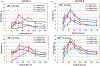
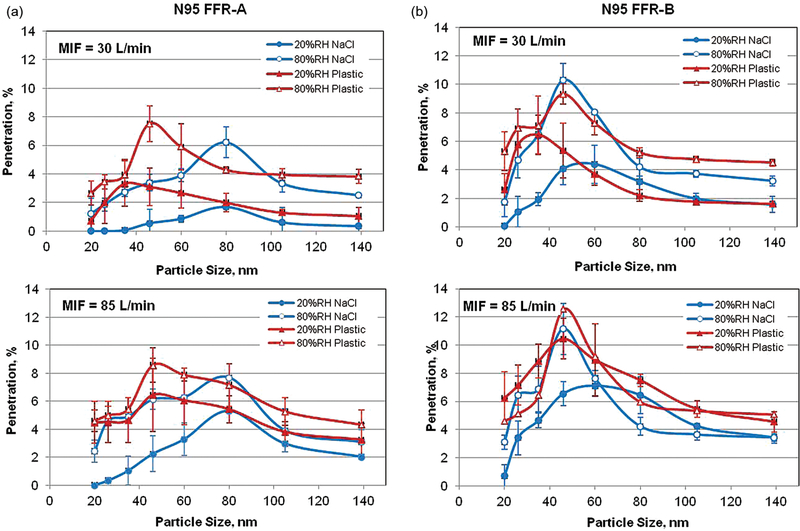
The challenge aerosol, RH, MIF rate, and respirator type had significant (P < 0.05) effects on the performance of the manikin-sealed FFR. Its efficiency significantly decreased when the FFR was tested with plastic combustion particles compared to NaCl aerosols. For example, at RH ≈80% and MIF = 85 l min−1, as much as 7.03 and 8.61% of combustion particles penetrated N95 respirators A and B, respectively. The plastic combustion particles and gaseous compounds generated by combustion likely degraded the electric charges on fibers, which increased the particle penetration. Increasing breathing flow rate or humidity increased the penetration (reduced the respirator efficiency) for all tested aerosols. The effect of particle size on the penetration varied depending on the challenge aerosol and respirator type. It was observed that the peak of the size distribution of combustion particles almost coincided with their most penetrating particle size, which was not the case for NaCl particles. This finding was utilized for the data interpretation.
Conclusions:
N95 FFRs have lower filter efficiency when challenged with contaminant particles generated by combustion, particularly when used under high humidity conditions compared to NaCl particles.
-
Keywords:
-
Source:Ann Occup Hyg. 60(6):748-760
-
Pubmed ID:27094179
-
Pubmed Central ID:PMC6311389
-
Document Type:
-
Funding:
-
Volume:60
-
Issue:6
-
Collection(s):
-
Main Document Checksum:urn:sha256:63935d604dd155b196485c9627cfa80b80a2423df8a59c4a39243dbe6aeb47cf
-
Download URL:
-
File Type:
 [PDF
- 1.44 MB
]
[PDF
- 1.44 MB
]
Supporting Files


File Language:
English
ON THIS PAGE



CDC STACKS serves as an archival repository of CDC-published products including
scientific findings,
journal articles, guidelines, recommendations, or other public health information authored or
co-authored by CDC or funded partners.
As a repository, CDC STACKS retains documents in their original published format to ensure public access to scientific information.
As a repository, CDC STACKS retains documents in their original published format to ensure public access to scientific information.
You May Also Like
COLLECTION
CDC Public Access