



Update: Influenza Activity — United States and Worldwide, May 20–October 13, 2018
Supporting Files
Public Domain

-
Oct 26 2018
Details
-
Journal Article:Morbidity and Mortality Weekly Report (MMWR)
-
Personal Author:Chow, Eric J. ; Davis, C. Todd ; Abd Elal, Anwar Isa ; Alabi, Noreen ; Azziz-Baumgartner, Eduardo ; Barnes, John ; Blanton, Lenee ; Brammer, Lynnette ; Budd, Alicia P. ; Burns, Erin ; Davis, William W. ; Dugan, Vivien G. ; Fry, Alicia M. ; Garten, Rebecca ; Grohskopf, Lisa A. ; Gubareva, Larisa ; Jang, Yunho ; Jones, Joyce ; Kniss, Krista ; Lindstrom, Stephen ; Mustaquim, Desiree ; Porter, Rachael ; Rolfes, Melissa ; Sessions, Wendy ; Taylor, Calli ; Wentworth, David E. ; Xu, Xiyan ; Zanders, Natosha ; Katz, Jacqueline ; Jernigan, Daniel
-
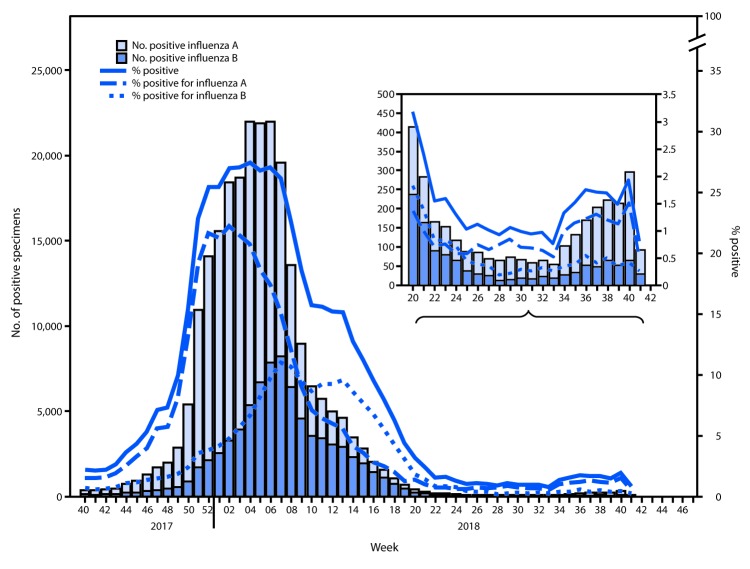
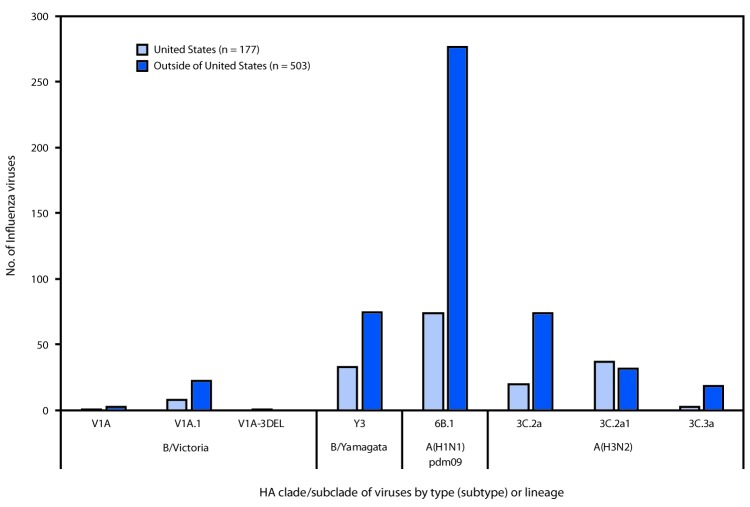
Description:During May 20-October 13, 2018,* low levels of influenza activity were reported in the United States, with a mix of influenza A and B Viruses circulating. Seasonal influenza activity in the Southern Hemisphere was low overall, with influenza A(H1N1)pdm09 predominating in many regions. Antigenic tTesting of available influenza A and B Viruses indicated that no significant antigenic drift in circulating Viruses had emerged. In late September, the components for the 2019 Southern Hemisphere influenza vaccine were selected and included an incremental update to the A(H3N2) vaccine Virus used in egg-based vaccine manufacturing; no change was recommended for the A(H3N2) component of cell-manufactured or recombinant influenza vaccines. Annual influenza vaccination is the best method for preventing influenza illness and its Complications, and all persons aged ≥6 months who do not have Contraindications should receive influenza vaccine, preferably before the onset of influenza circulation in their community, which often begins in October and peaks during December-February. Health care providers should offer vaccination by the end of October and should continue to recommend and administer influenza vaccine to previously unvaccinated patients throughout the 2018-19 influenza season (1). In addition, during May 20-October 13, a small number of nonhuman influenza "Variants" Virus infections| were reported in the United States; most were associated with exposure to swine. Although limited human-to-human Transmission might have occurred in one instance, no ongoing community Transmission was identified. Vulnerable populations, especially young children and other persons at high risk for serious influenza Complications, should avoid swine barns at agricultural fairs, or close contact with swine.|.
-
Subjects:
-
Source:MMWR Morbidity Mortal Weekly Rep. 67(42):1178-1185
-
Series:
-
DOI:
-
ISSN:0149-2195 (print) ; 1545-861X (digital)
-
Pubmed ID:30359347
-
Pubmed Central ID:PMC6290813
-
Document Type:
-
Place as Subject:
-
Pages in Document:8 pdf pages
-
Volume:67
-
Issue:42
-
Download URL:
-
File Type:
 [PDF - 207.45 KB]
 -
Collection(s):
-
Main Document Checksum:urn:sha-512:3c67c14f471e5efb3759868f0295a16e8b27bf039a3c8b3e70dbe75a3a12799dcb47298108d9b0c916c496795aa44f28938aaa9ea637d78560df1e641599089a
Supporting Files


 Was this page helpful?
 Found an issue?


CDC STACKS serves as an archival repository of CDC-published products including
scientific findings, journal articles, guidelines, recommendations, or other public health information authored or
co-authored by CDC or funded partners.
As a repository, CDC STACKS retains documents in their original published format to ensure public access to scientific information.
As a repository, CDC STACKS retains documents in their original published format to ensure public access to scientific information.
You May Also Like
COLLECTION
Morbidity and Mortality Weekly Report (MMWR)