



Laboratory comparison of new high flow rate respirable size-selective sampler
Supporting Files

-
Oct 2018
-
File Language:
English
Details
-
Journal Article:J Occup Environ Hyg
-
Personal Author:
-
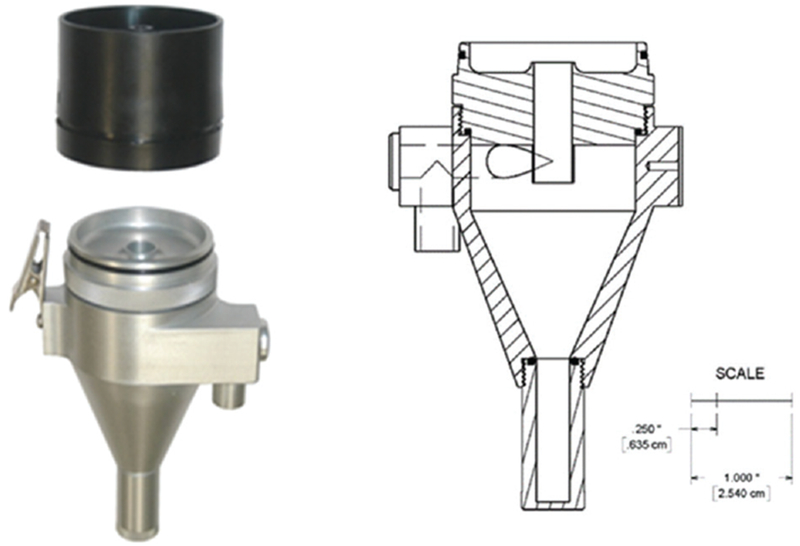
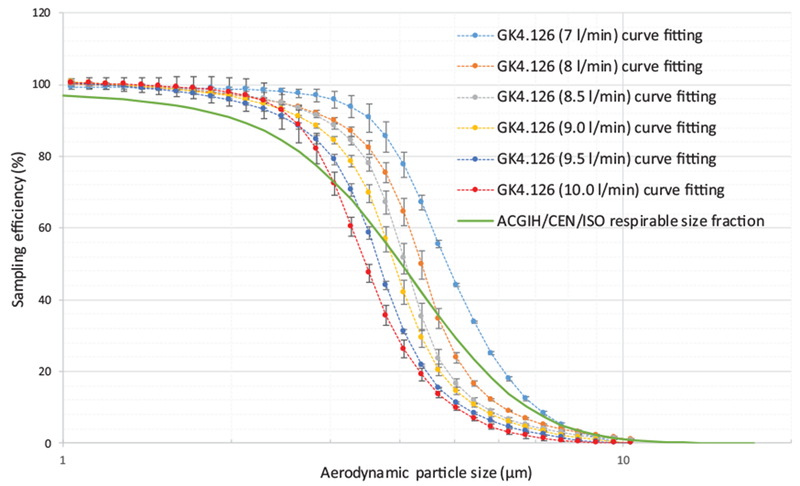
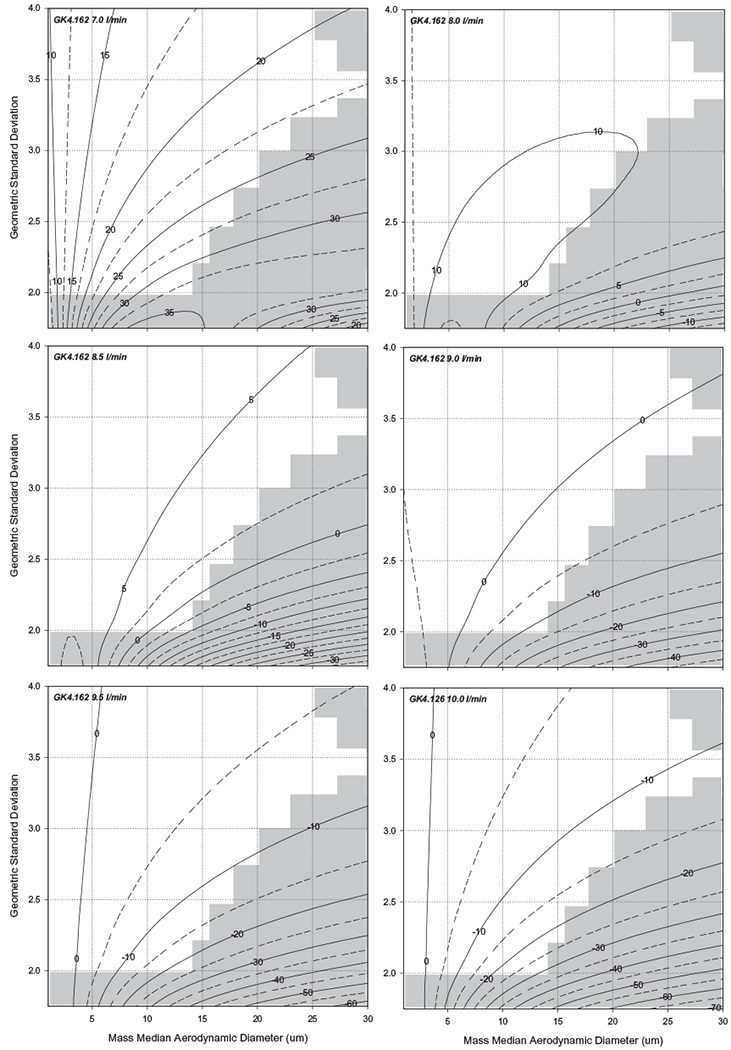
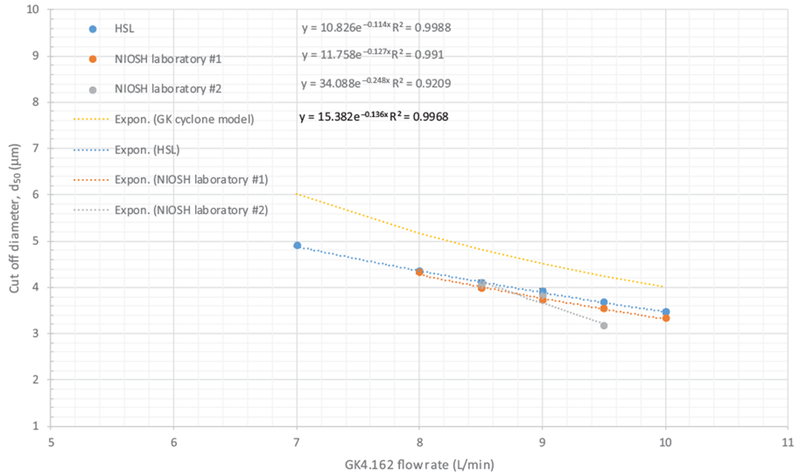
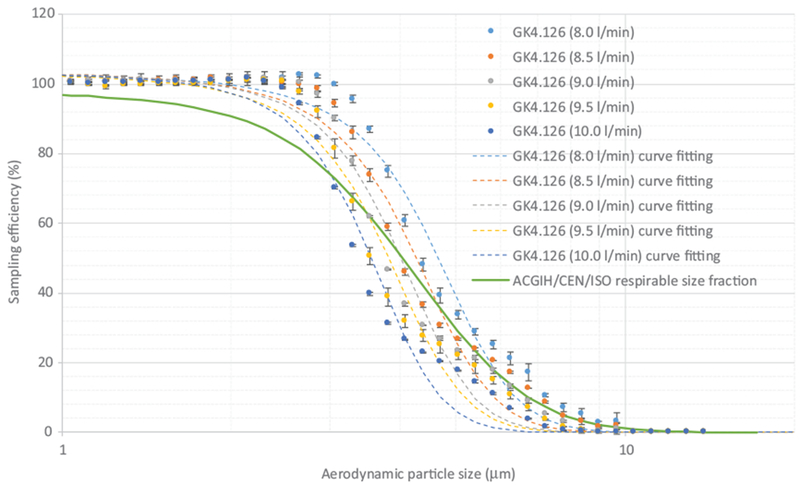
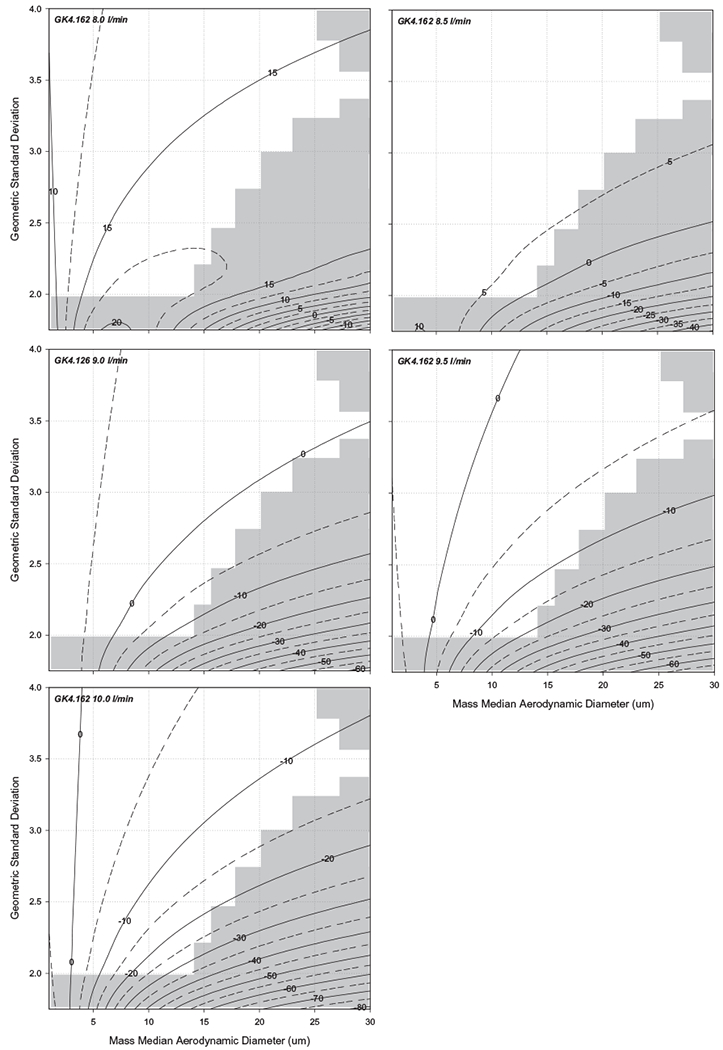
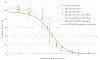
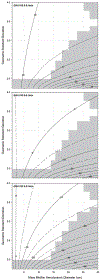
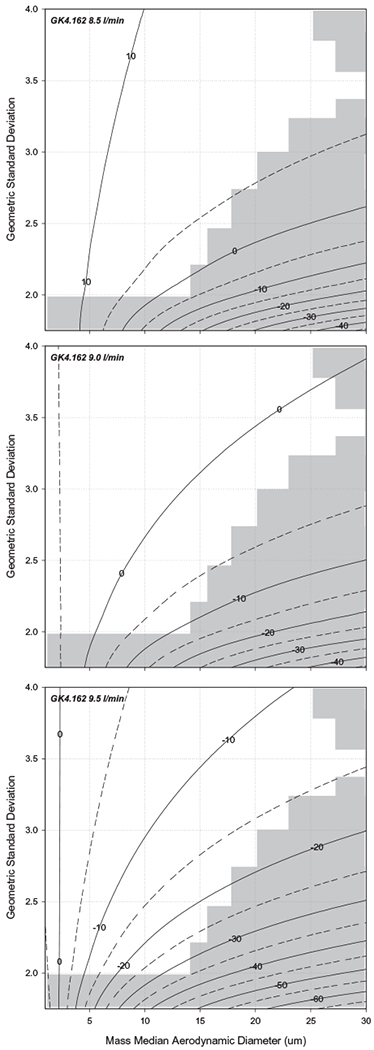
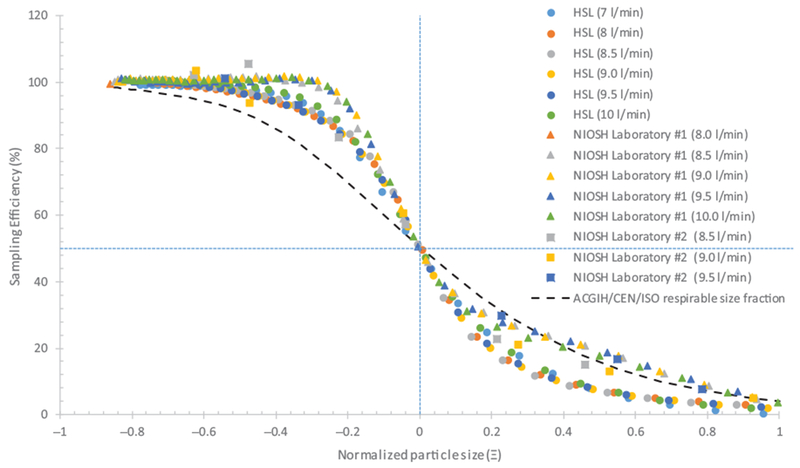
Description:A newly developed high flow rate respirable size-selective cyclone sampler (GK4.162-also known as the Respirable Air Sampling Cyclone Aluminum Large (RASCAL)) was calibrated to determine its optimum operating flow rate. The Health and Safety Laboratory in the United Kingdom and two laboratories from the National Institute for Occupational Safety and Health in the United States conducted experiments using two different methods: (1) polydisperse aerosol and time-of-flight direct reading instrument (Aerodynamic Particle Sizer (APS)) and (2) monodisperse aerosol and APS. The measured performance data for the cyclone was assessed against the international respirable convention using the bias map approach. Although the GK4.162 cyclone was tested using different aerosols and detection methods, the results from the three laboratories were generally similar. The recommended flow rate based on the agreement of results from the laboratories was 9.0 L/min.
-
Subjects:
-
Source:J Occup Environ Hyg. 15(10):755-765.
-
DOI:
-
Pubmed ID:30095363
-
Pubmed Central ID:PMC6287257
-
Document Type:
-
Funding:
-
Genre:
-
Volume:15
-
Issue:10
-
Collection(s):
-
Main Document Checksum:urn:sha-512:3cd44ddb9359edd495f1951a51231d037ca05cdd273ddb33083f4437ee9bec5cc8724752cf719de0b602f57bbb4b1d176512ddd7cc413af6706620e9016d4bb4
-
Download URL:
-
File Type:
 [PDF
- 1.04 MB
]
[PDF
- 1.04 MB
]
Supporting Files


File Language:
English
 Was this page helpful?
 Found an issue?





CDC STACKS serves as an archival repository of CDC-published products including
scientific findings,
journal articles, guidelines, recommendations, or other public health information authored or
co-authored by CDC or funded partners.
As a repository, CDC STACKS retains documents in their original published format to ensure public access to scientific information.
As a repository, CDC STACKS retains documents in their original published format to ensure public access to scientific information.
You May Also Like
COLLECTION
CDC Public Access