



Non-visual effects of light: how to use light to promote circadian entrainment and elicit alertness
Supporting Files

-
2018
-
Available in CDC Stacks on January 01, 2019, 12:00 AM
File Language:
English
Details
-
Journal Article:Light Res Technol
-
Personal Author:
-
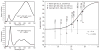
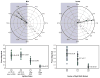
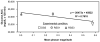
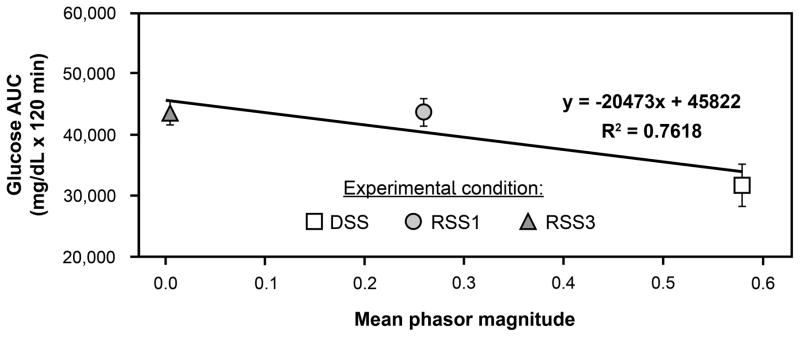
Description:In addition to stimulating the visual system, light incident on the retina stimulates other biological functions, also referred to as non-visual responses. Among the most notable biological functions are human circadian rhythms, which are bodily rhythms that, in constant darkness, oscillate with a period close to, but typically slightly longer than 24 hours. Twenty-four-hour light-dark patterns incident on the retina are the major synchronizer of circadian rhythms to the local time on Earth. Entrainment of circadian rhythms has been implicated in health and well-being. Light can also elicit an acute alerting effect on people, similar to a "cup of coffee." This review summarizes the literature on how light affects entrainment and alertness and how it can be used to achieve these aims.
-
Source:Light Res Technol. 50(1):38-62
-
DOI:
-
Pubmed ID:30416392
-
Pubmed Central ID:PMC6221201
-
Document Type:
-
Funding:
-
Genre:
-
Volume:50
-
Issue:1
-
Download URL:
-
File Type:
 [PDF - 1.32 MB]
 -
Collection(s):
-
Main Document Checksum:urn:sha-512:910098faf2e420a20ac428c2b749c921d8590879568404ee41d7ec2ec3fc4a73c8bc99dd00204584dd772a9359eed98a246748fa57c57c54385fbdc53527f187
Supporting Files


File Language:
English
 Was this page helpful?
 Found an issue?






CDC STACKS serves as an archival repository of CDC-published products including
scientific findings, journal articles, guidelines, recommendations, or other public health information authored or
co-authored by CDC or funded partners.
As a repository, CDC STACKS retains documents in their original published format to ensure public access to scientific information.
As a repository, CDC STACKS retains documents in their original published format to ensure public access to scientific information.