


Using opinion leaders to address intervention gaps in concussion prevention in youth sports: key concepts and foundational theory
Supporting Files

-
Jul 09 2018
File Language:
English
Details
-
Alternative Title:Inj Epidemiol
-
Personal Author:
-
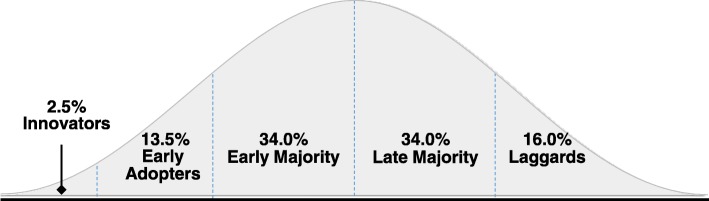
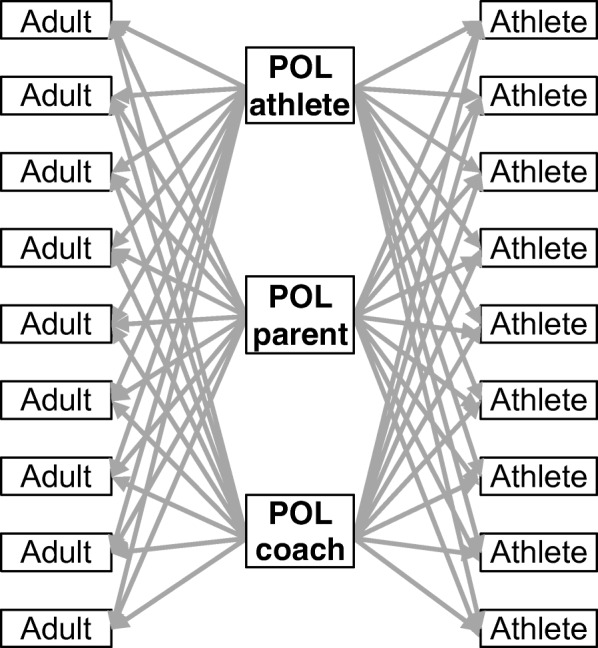
Description:Behavioral interventions to increase disclosure and proper management of concussion in youth sports have unrealized potential when it comes to preventing concussion. Interventions have focused on changing individual athlete behavior and have fallen short of the potential for sustained systemic behavioral change. One potentially critical reason for this shortfall is that other key determinants of risk behaviors at all levels of the socio-ecological model (e.g. interpersonal, community, policy) are not addressed in extant programming. There is a critical need for theory-driven interventions that address concussion prevention and education at the community level and target sustainable culture change. The Popular Opinion Leader (POL) intervention, a multi-level intervention model previously successfully employed in multiple public health contexts, is theoretically well positioned to affect such change. POL is based on the Diffusion of Innovations framework and involves identifying, recruiting, and training well-respected and trusted individuals to personally endorse prevention and risk-reduction within their social networks. Critical behavioral changes related to concussion disclosure and management have been shown to diffuse to others if enough opinion leaders endorse and support the behaviors. This article summarizes the concepts and principles of POL and describes how it could be adapted for and implemented in youth sport settings. For optimal impact, POL needs to adapt to several factors unique to youth sports settings and culture. First, adult involvement may be important, given their direct involvement in the athlete's medical care. However, parents and coaches' opinions on injury care-seeking, competition, and safety may affect their perceptions of POL. Second, youth sports are structured settings both physically and socioculturally. Games and practices may provide opportunities for the informal interactions that are critical to the success of POL. However, youth sport setting membership is transient as players get older and move to other sport settings; POL approaches need to be self-sustaining despite this turnover. Moreover, stakeholder value placed on athlete development and competition, alongside safety, must be considered. Formative research is needed to ensure that POL principles are translated into the youth sport setting while maintaining fidelity to the concepts and principles that have made POL successful for other health outcomes.
-
Subjects:
-
Source:Inj Epidemiol. 5.
-
Pubmed ID:29984386
-
Pubmed Central ID:PMC6035905
-
Document Type:
-
Funding:
-
Volume:5
-
Collection(s):
-
Main Document Checksum:urn:sha256:95e3ee7b2f6b957721a59e80d85faffa9509bb1a965ee92891d9fb4dcf78b3cb
-
Download URL:
-
File Type:
 [PDF
- 750.58 KB
]
[PDF
- 750.58 KB
]
Supporting Files


File Language:
English
ON THIS PAGE



CDC STACKS serves as an archival repository of CDC-published products including
scientific findings,
journal articles, guidelines, recommendations, or other public health information authored or
co-authored by CDC or funded partners.
As a repository, CDC STACKS retains documents in their original published format to ensure public access to scientific information.
As a repository, CDC STACKS retains documents in their original published format to ensure public access to scientific information.
You May Also Like
COLLECTION
CDC Public Access