


Introduction of Inactivated Polio Vaccine, Withdrawal of Type 2 Oral Polio Vaccine, and Routine Immunization Strengthening in the Eastern Mediterranean Region
Supporting Files

-
Jul 01 2017
-
File Language:
English
Details
-
Alternative Title:J Infect Dis
-
Personal Author:
-
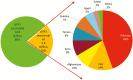
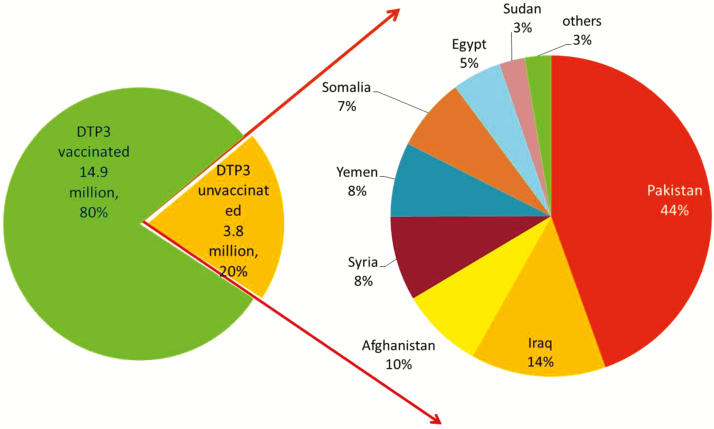
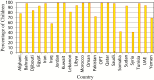
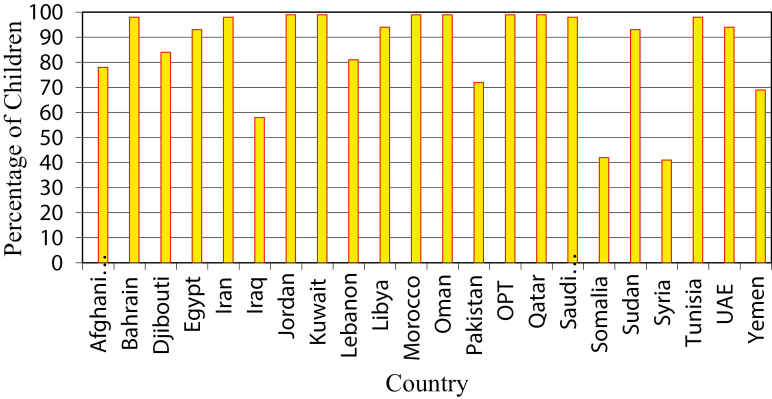
Description:The Global Polio Eradication Initiative has reduced the global incidence of polio by 99% and the number of countries with endemic polio from 125 to 3 countries. The Polio Eradication and Endgame Strategic Plan 2013-2018 (Endgame Plan) was developed to end polio disease. Key elements of the endgame plan include strengthening immunization systems using polio assets, introducing inactivated polio vaccine (IPV), and replacing trivalent oral polio vaccine with bivalent oral polio vaccine ("the switch"). Although coverage in the Eastern Mediterranean Region (EMR) with the third dose of a vaccine containing diphtheria, tetanus, and pertussis antigens (DTP3) was ≥90% in 14 countries in 2015, DTP3 coverage in EMR dropped from 86% in 2010 to 80% in 2015 due to civil disorder in multiple countries. To strengthen their immunization systems, Pakistan, Afghanistan, and Somalia developed draft plans to integrate Polio Eradication Initiative assets, staff, structure, and activities with their Expanded Programmes on Immunization, particularly in high-risk districts and regions. Between 2014 and 2016, 11 EMR countries introduced IPV in their routine immunization program, including all of the countries at highest risk for polio transmission (Afghanistan, Pakistan, Somalia, and Yemen). As a result, by the end of 2016 all EMR countries were using IPV except Egypt, where introduction of IPV was delayed by a global shortage. The switch was successfully implemented in EMR due to the motivation, engagement, and cooperation of immunization staff and decision makers across all national levels. Moreover, the switch succeeded because of the ability of even the immunization systems operating under hardship conditions of conflict to absorb the switch activities.
-
Subjects:
-
Source:J Infect Dis. 2017; 216(Suppl 1):S86-S93.
-
Pubmed ID:28838199
-
Pubmed Central ID:PMC5853409
-
Document Type:
-
Funding:
-
Place as Subject:
-
Volume:216
-
Collection(s):
-
Main Document Checksum:urn:sha256:6573b5ff8eee12b18ce4346d3b2b049e96faad031df20de09d089603becb7aa8
-
Download URL:
-
File Type:
 [PDF
- 457.99 KB
]
[PDF
- 457.99 KB
]
Supporting Files


File Language:
English
ON THIS PAGE

CDC STACKS serves as an archival repository of CDC-published products including
scientific findings,
journal articles, guidelines, recommendations, or other public health information authored or
co-authored by CDC or funded partners.
As a repository, CDC STACKS retains documents in their original published format to ensure public access to scientific information.
As a repository, CDC STACKS retains documents in their original published format to ensure public access to scientific information.
You May Also Like
COLLECTION
CDC Public Access