


Impact of Enhanced Health Interventions for United States–Bound Refugees: Evaluating Best Practices in Migration Health
Supporting Files
Public Domain

-
Dec 14 2017
-
File Language:
English
Details
-
Alternative Title:Am J Trop Med Hyg
-
Personal Author:Mitchell, Tarissa ; Lee, Deborah ; Weinberg, Michelle ; Phares, Christina ; James, Nicola ; Amornpaisarnloet, Kittisak ; Aumpipat, Lalita ; Cooley, Gretchen ; Davies, Anita ; Tin Shwe, Valerie Daw ; Gajdadziev, Vasil ; Gorbacheva, Olga ; Khwan-Niam, Chutharat ; Klosovsky, Alexander ; Madilokkowit, Waritorn ; Martin, Diana ; Htun Myint, Naing Zaw ; Yen Nguyen, Thi Ngoc ; Nutman, Thomas B. ; O’Connell, Elise M. ; Ortega, Luis ; Prayadsab, Sugunya ; Srimanee, Chetdanai ; Supakunatom, Wasant ; Vesessmith, Vattanachai ; Stauffer, William M.
-
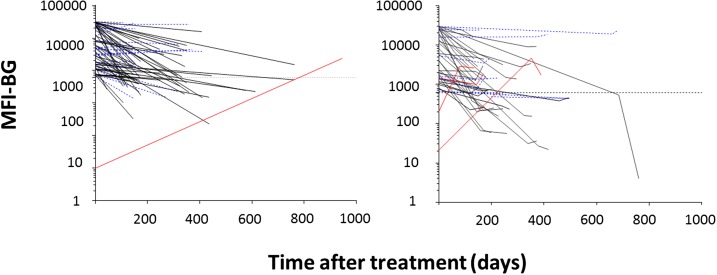
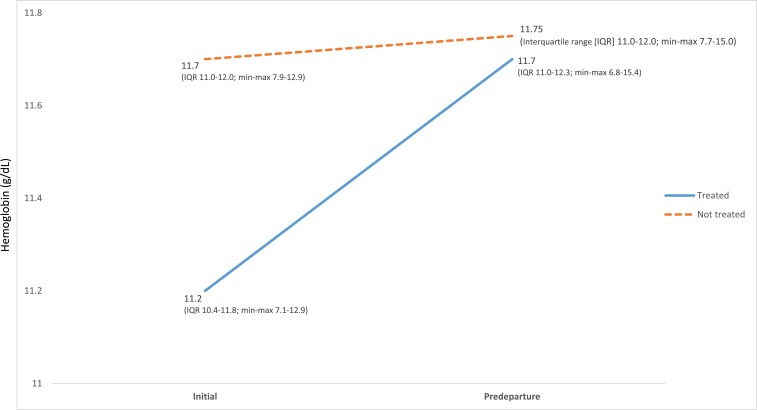
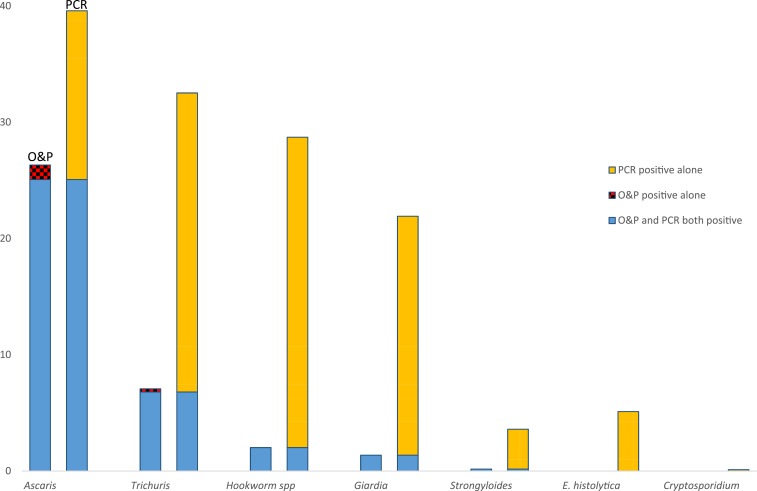
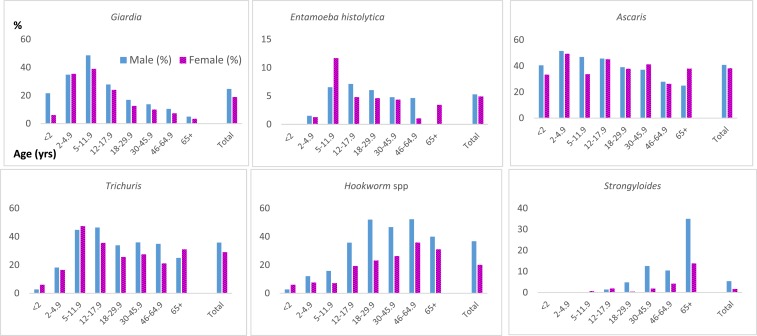
Description:With an unprecedented number of displaced persons worldwide, strategies for improving the health of migrating populations are critical. United States-bound refugees undergo a required overseas medical examination to identify inadmissible conditions (e.g., tuberculosis) 2-6 months before resettlement, but it is limited in scope and may miss important, preventable infectious, chronic, or nutritional causes of morbidity. We sought to evaluate the feasibility and health impact of diagnosis and management of such conditions before travel. We offered voluntary testing for intestinal parasites, anemia, and hepatitis B virus infection, to U.S.-bound refugees from three Thailand-Burma border camps. Treatment and preventive measures (e.g., anemia and parasite treatment, vaccination) were initiated before resettlement. United States refugee health partners received overseas results and provided post-arrival medical examination findings. During July 9, 2012 to November 29, 2013, 2,004 refugees aged 0.5-89 years enrolled. Among 463 participants screened for seven intestinal parasites overseas and after arrival, helminthic infections decreased from 67% to 12%. Among 118 with positive |-specific antibody responses, the median fluorescent intensity decreased by an average of 81% after treatment. The prevalence of moderate-to-severe anemia (hemoglobin < 10 g/dL) was halved from 14% at baseline to 7% at departure (McNemar | = 0.001). All 191 (10%) hepatitis B-infected participants received counseling and evaluation; uninfected participants were offered vaccination. This evaluation demonstrates that targeted screening, treatment, and prevention services can be conducted during the migration process to improve the health of refugees before resettlement. With more than 250 million migrants globally, this model may offer insights into healthier migration strategies.
-
Subjects:
-
Source:Am J Trop Med Hyg. 2018; 98(3):920-928.
-
Pubmed ID:29260657
-
Pubmed Central ID:PMC5930906
-
Document Type:
-
Place as Subject:
-
Volume:98
-
Issue:3
-
Collection(s):
-
Main Document Checksum:urn:sha256:7bfd9f935c738116164a5fd093936223cf178efde88ab89a64d77c64cd322ab3
-
Download URL:
-
File Type:
 [PDF
- 1.14 MB
]
[PDF
- 1.14 MB
]
Supporting Files


File Language:
English
ON THIS PAGE


CDC STACKS serves as an archival repository of CDC-published products including
scientific findings,
journal articles, guidelines, recommendations, or other public health information authored or
co-authored by CDC or funded partners.
As a repository, CDC STACKS retains documents in their original published format to ensure public access to scientific information.
As a repository, CDC STACKS retains documents in their original published format to ensure public access to scientific information.
You May Also Like
COLLECTION
CDC Public Access