


Importance of Performance Measurement and MCH Epidemiology Leadership to Quality Improvement Initiatives at the National, State and Local Levels
Supporting Files

-
Nov 2016
-
File Language:
English
Details
-
Alternative Title:Matern Child Health J
-
Personal Author:
-
Description:Purpose
In recognition of the importance of performance measurement and MCH epidemiology leadership to quality improvement (QI) efforts, a plenary session dedicated to this topic was presented at the 2014 CityMatCH Leadership and MCH Epidemiology Conference. This paper summarizes the session and provides two applications of performance measurement to QI in MCH.
Description
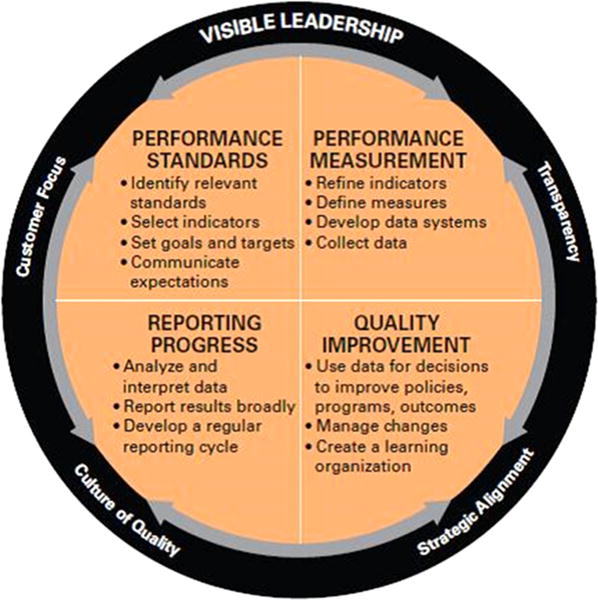
Performance measures addressing processes of care are ubiquitous in the current health system landscape and the MCH community is increasingly applying QI processes, such as Plan-Do-Study-Act (PDSA) cycles, to improve the effectiveness and efficiency of systems impacting MCH populations. QI is maximally effective when well-defined performance measures are used to monitor change.
Assessment
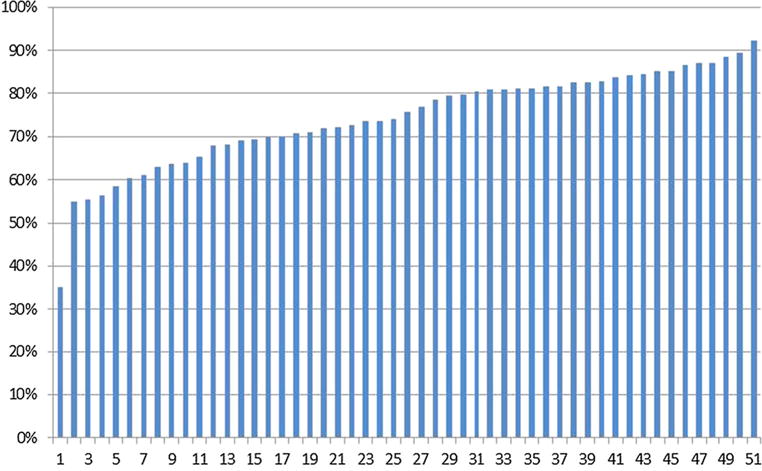
MCH epidemiologists provide leadership to QI initiatives by identifying population-based outcomes that would benefit from QI, defining and implementing performance measures, assessing and improving data quality and timeliness, reporting variability in measures throughout PDSA cycles, evaluating QI initiative impact, and translating findings to stakeholders. MCH epidemiologists can also ensure that QI initiatives are aligned with MCH priorities at the local, state and federal levels. Two examples of this work, one highlighting use of a contraceptive service performance measure and another describing QI for peripartum hemorrhage prevention, demonstrate MCH epidemiologists’ contributions throughout. Challenges remain in applying QI to complex community and systems-level interventions, including those aimed at improving access to quality care.
Conclusion
MCH epidemiologists provide leadership to QI initiatives by ensuring they are data-informed and supportive of a common MCH agenda, thereby optimizing the potential to improve MCH outcomes.
-
Subjects:
-
Source:Matern Child Health J. 20(11):2239-2246.
-
Pubmed ID:27423235
-
Pubmed Central ID:PMC5967243
-
Document Type:
-
Funding:
-
Volume:20
-
Issue:11
-
Collection(s):
-
Main Document Checksum:urn:sha256:daa73855d6c890db6dc8c14785339d214597dfe94000c31f3667e78b54acd074
-
Download URL:
-
File Type:
 [PDF
- 334.06 KB
]
[PDF
- 334.06 KB
]
Supporting Files


File Language:
English
ON THIS PAGE




CDC STACKS serves as an archival repository of CDC-published products including
scientific findings,
journal articles, guidelines, recommendations, or other public health information authored or
co-authored by CDC or funded partners.
As a repository, CDC STACKS retains documents in their original published format to ensure public access to scientific information.
As a repository, CDC STACKS retains documents in their original published format to ensure public access to scientific information.
You May Also Like
COLLECTION
CDC Public Access