



Tobacco Cessation Interventions and Smoke-Free Policies in Mental Health and Substance Abuse Treatment Facilities — United States, 2016
Supporting Files
Public Domain

-
May 11 2018
Details
-
Journal Article:Morbidity and Mortality Weekly Report (MMWR)
-
Personal Author:
-
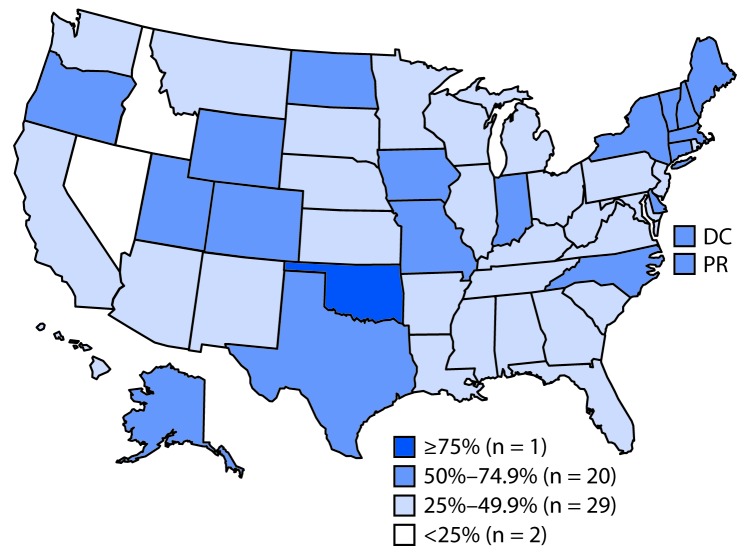
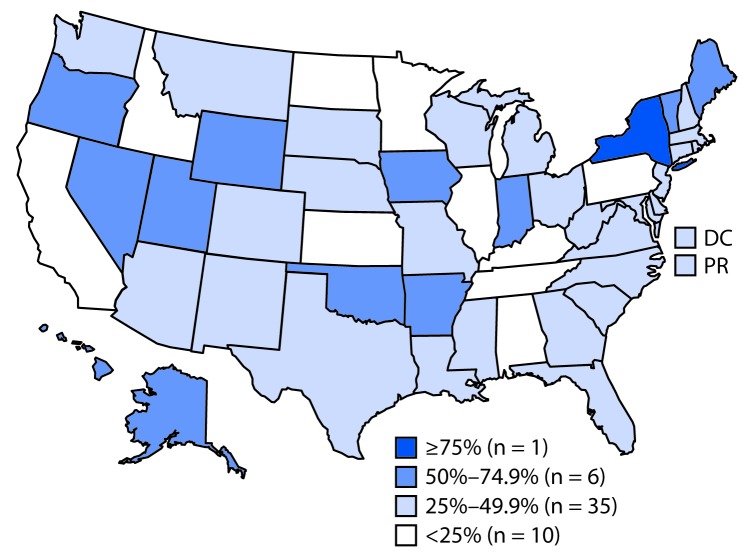
Description:Persons with mental or substance use disorders or both are more than twice as likely to smoke cigarettes as persons without such disorders and are more likely to die from smoking-related illness than from their behavioral health conditions (1,2). However, many persons with behavioral health conditions want to and are able to quit smoking, although they might require more intensive treatment (2,3). Smoking cessation reduces smoking-related disease risk and could improve mental health and drug and alcohol recovery outcomes (1,3,4). To assess tobacco-related policies and practices in mental health and substance abuse treatment facilities (i.e., behavioral health treatment facilities) in the United States (including Puerto Rico), CDC and the Substance Abuse and Mental Health Services Administration (SAMHSA) analyzed data from the 2016 National Mental Health Services Survey (N-MHSS) and the 2016 National Survey of Substance Abuse Treatment Services (N-SSATS). In 2016, among mental health treatment facilities, 48.9% reported screening patients for tobacco use, 37.6% offered tobacco cessation counseling, 25.2% offered nicotine replacement therapy (NRT), 21.5% offered non-nicotine tobacco cessation medications, and 48.6% prohibited smoking in all indoor and outdoor locations (i.e., smoke-free campus). In 2016, among substance abuse treatment facilities, 64.0% reported screening patients for tobacco use, 47.4% offered tobacco cessation counseling, 26.2% offered NRT, 20.3% offered non-nicotine tobacco cessation medications, and 34.5% had smoke-free campuses. Full integration of tobacco cessation interventions into behavioral health treatment, coupled with implementation of tobacco-free campus policies in behavioral health treatment settings, could decrease tobacco use and tobacco-related disease and could improve behavioral health outcomes among persons with mental and substance use disorders (1-4).
-
Subjects:
-
Source:MMWR Morbidity Mortal Weekly Rep. 67(18):519-523.
-
Series:
-
DOI:
-
ISSN:0149-2195 (print) ; 1545-861X (digital)
-
Pubmed ID:29746451
-
Pubmed Central ID:PMC5944973
-
Document Type:
-
Place as Subject:
-
Pages in Document:5 pdf pages
-
Volume:67
-
Issue:18
-
Download URL:
-
File Type:
 [PDF - 187.79 KB]
 -
Collection(s):
-
Main Document Checksum:urn:sha-512:d28d9d28b2fc725bb204cc0688ffa85290f0edf5546b70976de6ad8d04d70fae3a86b839b7c0a2602b3fe80065d44a841198761682563c8b2bb5f61359395e09
Supporting Files


 Was this page helpful?
 Found an issue?

CDC STACKS serves as an archival repository of CDC-published products including
scientific findings, journal articles, guidelines, recommendations, or other public health information authored or
co-authored by CDC or funded partners.
As a repository, CDC STACKS retains documents in their original published format to ensure public access to scientific information.
As a repository, CDC STACKS retains documents in their original published format to ensure public access to scientific information.
You May Also Like
COLLECTION
Morbidity and Mortality Weekly Report (MMWR)